









Kenya’s exporters have good reason to celebrate. Monthly shipments to the United States reached a record Sh10.5 billion in March, the highest single-month figure the country has ever posted for domestic exports to that market. The driver behind that leap is the renewal of the African Growth and Opportunity Act (AGOA) by President Donald Trump, which restored duty-free access to American markets and removed the threat of tariffs that had been hanging over Kenyan exporters for months.
The numbers tell a striking story. Just a month before the record, in February, Kenya was earning Sh6.7 billion monthly from US-bound exports. By March, that figure had jumped to Sh10.5 billion — a surge of more than 56 percent in a single month. The difference was certainty. Once exporters knew the preferential trade terms were locked in, orders flowed and shipments accelerated.
What AGOA Actually Means for Kenya
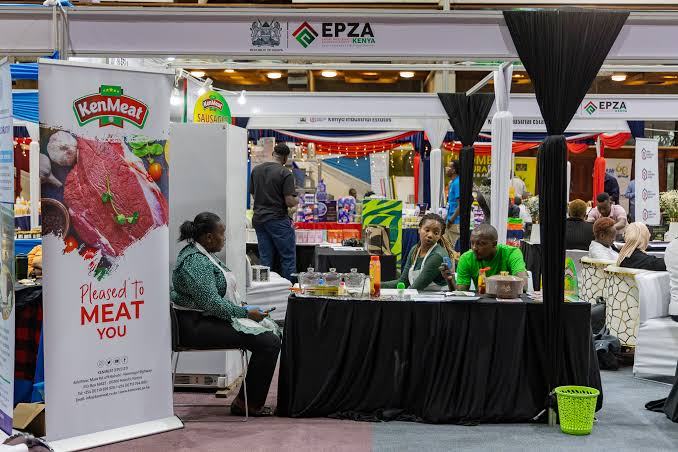
AGOA is not just a trade policy. For Kenya, it is a lifeline for two of its most employment-intensive export sectors. The textile and apparel industry, much of it operating out of Export Processing Zones (EPZs) in areas like Kitengela, depends heavily on the ability to sell into the US market without facing the same tariffs that competitors from other regions carry. Under AGOA, Kenyan garments enter the United States duty-free, making them price-competitive against products from Asia and elsewhere.
Agricultural exports have also bounced back strongly. Coffee, black tea, and macadamia nuts are among the products that have regained momentum following the renewal. These are not niche exports — they represent significant income for farmers, processors, and logistics operators across the country.
Jobs and Investment on the Line
The stakes around AGOA are made clearer by the employment figures. The apparel and manufacturing sectors supported by this trade arrangement directly employ over 66,000 workers. These are largely formal jobs in a country where formal employment is still relatively scarce. Beyond the headcount, the sectors drive tens of billions of shillings in domestic capital investment annually, funding factory equipment, raw material sourcing, and supply chain development.
When AGOA’s renewal was uncertain earlier in the year, that investment pipeline froze. Lenders became cautious. Buyers placed smaller orders or delayed commitments. Local financial institutions that had extended credit to exporters faced rising risk. The restoration of the programme did not just lift export numbers — it unfroze an entire ecosystem that had been holding its breath.
The Scramble Before the Renewal
In the weeks before the renewal was confirmed, Kenyan exporters did what any rational business would do: they rushed to ship as much as possible before any tariffs could kick in. That scramble produced its own impressive numbers. Exports to the US reached Sh52.6 billion in the first half of the year, reflecting both the pre-renewal rush and the post-renewal surge.
It was a stressful period for the industry, but it also demonstrated something important — the capacity and the demand were there. When the trade environment is stable and predictable, Kenya’s export sector can perform at a high level. The uncertainty itself was the problem, not the underlying competitiveness of Kenyan goods.
AGOA Now Embedded in US Law
What provides the most comfort going forward is how the renewal was structured. The AGOA provisions have been formally incorporated into the US Consolidated Appropriations Act, giving them a legal durability that executive uncertainty alone could not threaten. That kind of legislative backing is exactly what exporters, banks, and investors need to make long-term decisions with confidence.
For Kenya, the next step is making the most of the window. AGOA will not last forever, and the terms of future renewals are never guaranteed. The country’s manufacturers and agricultural exporters need to use this period of stability to deepen relationships with American buyers, improve product quality and consistency, and build the kind of brand recognition that creates demand regardless of trade policy shifts.
A Moment to Build On
The record March figures are genuinely good news, but they are a starting point rather than a destination. Kenya’s broader trade ambitions — including deeper integration under the African Continental Free Trade Area (AfCFTA) — require the same kind of competitive, investment-backed export capacity that AGOA has helped develop.
For now, the focus is on sustaining the momentum. With duty-free access restored and buyer confidence returning, Kenya’s exporters have the conditions they need. Whether they capitalise fully on this moment will depend on continued investment in quality, capacity, and the supply chains that connect Kenyan factories and farms to global markets.
For the latest monthly trade data, the Kenya National Bureau of Statistics (KNBS) publishes updated export figures and economic indicators on a regular basis.