







Kenyan freelancers, artists, and digital workers are raising the alarm after PayPal froze an undisclosed number of accounts in the country, with some users facing permanent bans and the very real prospect of losing funds they have already earned. The crackdown is part of the platform’s global Anti-Money Laundering (AML) and Counter-Terrorism Financing (CFT) compliance enforcement, but for the Kenyans caught in it, the experience has been anything but straightforward.
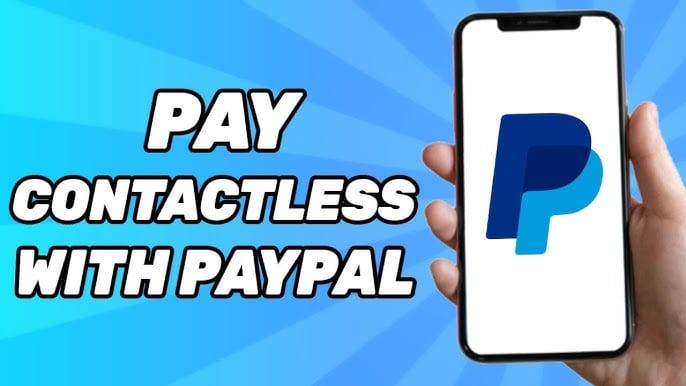
The platform is demanding proof of employment, signed service contracts, work invoices, bank statements, and physical residential addresses before it will consider releasing withheld funds. For independent workers who operate informally which describes a significant portion of Kenya’s growing digital economy assembling that kind of documentation on short notice is not always possible. And the consequences of failing to do so are severe.
What Is Triggering the Freezes
PayPal’s compliance systems are designed to flag unusual activity automatically. Accounts that experience a sudden jump in transaction volumes, receive funds from sources that are not clearly identified, or show patterns that do not match the account’s established history are among those most likely to trigger a review. For a Kenyan freelancer who lands a large international contract or starts receiving payments from a new client overseas, that kind of shift in activity can look suspicious to an algorithm even when the underlying work is entirely legitimate.
Once flagged, the account is limited or frozen pending a compliance review. The user is then required to submit documentation that proves the source of the funds and the nature of the work. That process sounds reasonable on paper, but in practice it has left many users stuck, unable to access money they have already earned while they scramble to gather paperwork that PayPal’s system may still reject.
The Six-Month Hold and What Comes After
The timeline is where things get particularly painful. Accounts that fail to satisfy PayPal’s AML review can have their funds withheld for a minimum of 180 days six months. At the end of that period, the account can be permanently deactivated. Depending on the circumstances, the withheld funds may be forfeited entirely.
That is not a small inconvenience. For a freelance designer or a content creator who relies on PayPal as their primary gateway for international payments, losing six months of earnings or more is a genuinely devastating outcome. The outcry from the Kenyan digital worker community has been significant, and legal questions are beginning to surface about whether the withholding of already-earned funds crosses a line that consumer protection frameworks should address.
Who Is Being Affected
The accounts most commonly caught up in these freezes belong to independent freelancers working across platforms like Upwork, Fiverr, and similar marketplaces, as well as creative professionals musicians, graphic designers, photographers, and videographers who receive international payments for their work. These are not high-risk actors. They are individuals building careers in Kenya’s growing digital economy, many of whom have used PayPal for years without incident.
The frustration is compounded by the fact that PayPal’s communication during the review process is often limited and slow, leaving users in the dark about the status of their case or what additional information might help resolve it.
Steps That Have Worked for Some Users
While there is no guaranteed path to unfreezing a PayPal account, some users on forums like Reddit’s Kenya community have reported success by taking a proactive and thorough approach. The strategies that appear to have helped most include contacting PayPal Support directly rather than waiting for the platform to reach out, submitting a comprehensive file that includes work invoices, screenshots of client communications, signed contracts or agreements, and proof of delivery for any services provided.
The more clearly a user can demonstrate the legitimate origin of the funds and the more documentation they can provide upfront the better their chances of a faster resolution. Vague or incomplete submissions tend to extend the review period rather than shorten it.
What Kenyan Digital Workers Should Do Now
Whether your account is currently frozen or you are simply worried about the risk, there are practical steps worth taking immediately. Start keeping proper records of all your work invoices, contracts, client emails, delivery confirmations. Make sure your PayPal account details, including your registered address and linked bank account, are accurate and up to date. If you are receiving large or irregular payments, consider diversifying across platforms so that a freeze on one account does not cut off all your income at once.
Read also:Kenya’s Economy Under Strain: Inflation Hits 28-Month High as Tax Debate Heats Up
Alternative payment platforms that have grown their presence in Kenya include Wise and Payoneer, both of which offer international payment capabilities and have different compliance structures. Having a backup option is no longer optional for anyone who depends on cross-border payments for their livelihood.
A Bigger Question About Digital Financial Access
The PayPal situation points to a broader tension that Kenya’s digital economy has not fully resolved. The country has made remarkable progress on mobile money and financial inclusion domestically, but for workers who need to receive payments from international clients, the options remain limited and fragile. A single platform decision can cut off income entirely.
As Kenya’s freelance and creative sectors grow driven by a young, skilled, and increasingly globally connected workforce the need for reliable, fair, and transparent international payment infrastructure becomes more urgent. The current wave of account freezes is a painful reminder of how much exposure individual workers carry when their financial access depends on the compliance decisions of a single foreign platform.