








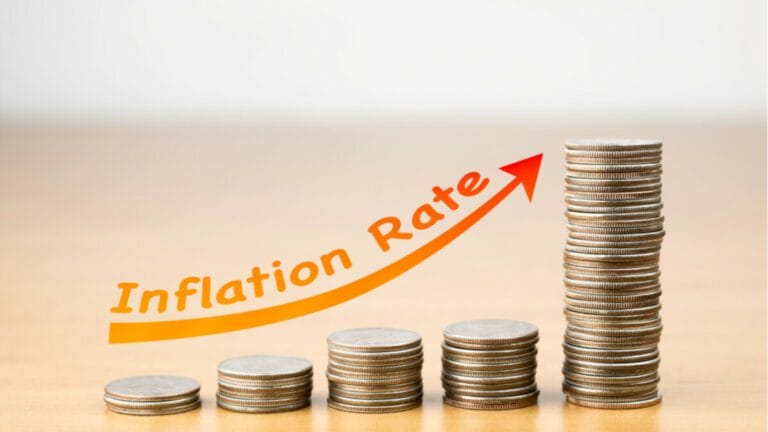
Kenyan businesses are passing rising fuel taxes and supply chain costs directly onto consumers, pushing commodity prices and inflation to their highest levels since 2014. The Stanbic Purchasing Managers’ Index shows that surging operational and transport costs have forced one in four businesses to raise prices simply to protect their profit margins from collapsing.
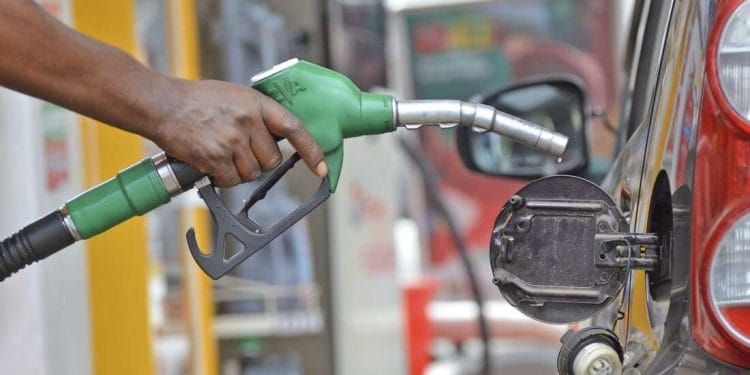
The pressure traces back to diesel, the fuel that powers Kenya’s manufacturing, agriculture, and logistics sectors. According to the Energy and Petroleum Regulatory Authority, diesel prices have surged to record highs of over Sh242 per litre in Nairobi, a jump significant enough to ripple through nearly every product that reaches Kenyan shelves.
Why Diesel Prices Matter So Much
Diesel is not just a fuel for personal vehicles in Kenya. It powers the trucks that move goods from ports and farms to markets, the generators that keep manufacturing lines running during power outages, and the machinery used across agriculture and construction. When diesel prices spike, the cost increase touches almost every stage of the supply chain before a product ever reaches a consumer.
That is precisely what is happening now. Businesses across sectors are absorbing higher transport and operational costs, and the Stanbic PMI data confirms that a significant portion of them have reached the point where they can no longer absorb those costs without raising prices.
Protests Spread Across Major Cities
The sharp jump in fuel levies has triggered widespread disruptions and protests across Nairobi, Nakuru, and Mombasa. Transport operators, small business owners, and consumers have all voiced frustration as the cumulative weight of fuel taxes and rising commodity prices erodes household purchasing power at a pace many families are struggling to keep up with.
These protests reflect a broader pattern that has repeated across Kenya in recent years, where fuel price increases become a flashpoint for wider economic grievances, particularly when they coincide with other cost pressures like high food prices and stagnant wages.
What Business Associations Are Saying
The Kenya National Chamber of Commerce and Industry has warned that fuel-related costs, combined with ongoing global supply chain shocks, have inevitably trickled down to everyday consumer goods. Foodstuffs and construction materials are among the categories where price increases are most visible to ordinary Kenyans doing their weekly shopping or managing a building project.
The Kenya Association of Manufacturers continues to press the government to review the current tax structure on fuel, arguing that the sustained pressure is severely eating into household purchasing power and threatening the competitiveness of Kenyan manufacturers who are absorbing higher input costs at every stage of production.
Also read:Kenya’s Economy Under Strain: Inflation Hits 28-Month High as Tax Debate Heats Up
The Bigger Picture on Inflation
Kenya’s inflation had already been climbing before this latest fuel price surge, reaching 6.7 percent in May 2026, up from 4.4 percent in March. The compounding effect of fuel taxes on top of that existing inflationary trend pushes the overall cost of living closer to levels not seen in over a decade.
For the Central Bank of Kenya, managing this inflation pressure while balancing economic growth remains a delicate task. The Kenya Bankers Association has already called for a Central Bank Rate increase to anchor inflation expectations, and this latest fuel-driven price surge adds further weight to that argument as the Monetary Policy Committee considers its next move.
What This Means for Kenyan Households
For ordinary Kenyan families, the practical impact is straightforward and painful. Grocery bills are rising, transport fares are increasing, and the cost of building or renovating a home is climbing as construction material prices follow the same upward trajectory as fuel.
Government intervention through the KSh 21.5 billion fuel stabilisation fund announced alongside the Finance Bill 2026 is intended to cushion some of this pressure, but the scale of the current price surge suggests that more targeted relief may be needed if the government wants to prevent inflation from eroding household welfare further in the months ahead.