







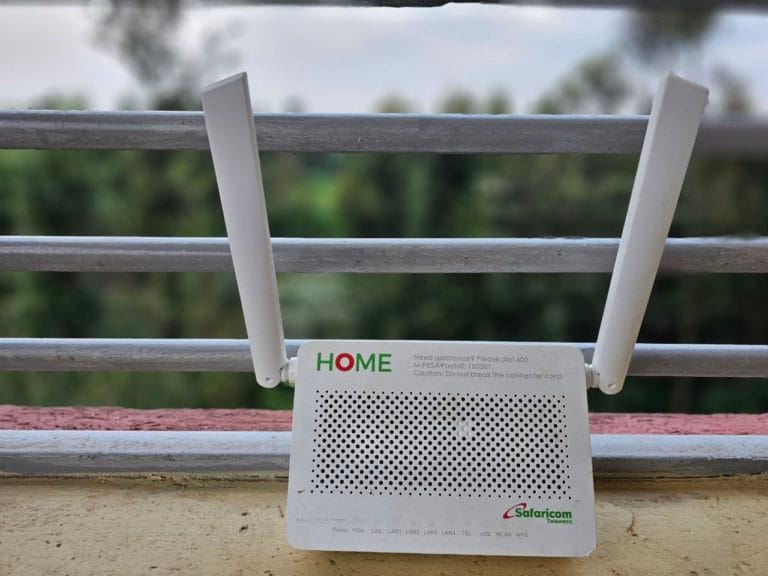
Safaricom is making a real push into a market it has largely ignored until now. The telecom giant has secured a deal to supply pre-connected fibre internet to the government’s Affordable Housing Programme.
Vodacom Group, Safaricom’s parent company, disclosed the contract, which targets thousands of low-cost homes across the country. This marks a clear strategic shift toward customers who have traditionally been locked out of fixed broadband.
How the Rollout Is Progressing
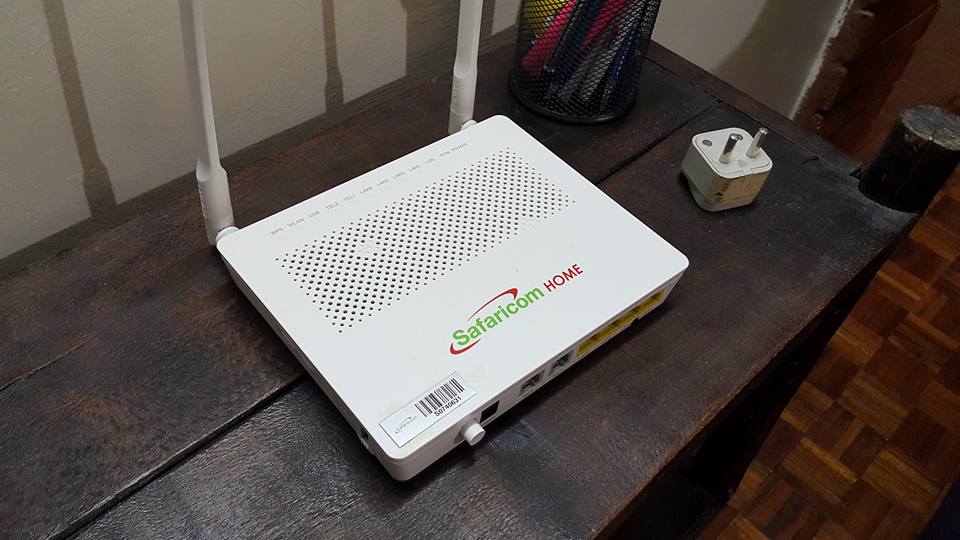
Safaricom has already deployed fibre infrastructure for the first phase of the Mukuru Affordable Housing project in Nairobi. This is not a pilot in the traditional sense, since the plan covers the entire development from the start.
The company intends to provide pre-installed connections to all 14,000 housing units within Mukuru. From there, Safaricom plans to scale the same model across other Affordable Housing Programme sites nationwide.
Behind the scenes, Safaricom is partnering with Huawei on the technical build. Their setup uses what is described as a digital quick optical distribution network, a design meant to dramatically cut installation times and reduce ongoing maintenance costs.
What These Internet Packages Actually Cost
Pricing here looks deliberately different from Safaricom’s standard offerings, and for good reason. The company is targeting households that fixed broadband has historically priced out entirely.
The flagship option is called Wi-Fi Bamba Boma Yangu, a low-cost home internet package offering speeds starting at 10 Mbps for KES 800 per month, roughly $6.20. This tier is exclusively available to verified residents living within government housing projects.
Safaricom is also introducing tokenised Wi-Fi, mirroring the pay-as-you-go model Kenyans already know well from mobile airtime. These short-term broadband vouchers offer hourly, daily, and weekly access without requiring a router purchase or any monthly commitment.
Why This Matters for Safaricom’s Broader Strategy
This move gives Safaricom a real shot at capturing an estimated three million unserved households within Kenya’s fixed-broadband market. That is a significant chunk of untapped demand for a company already dominant in mobile services.
There is a defensive angle here too. Low-cost competitors like Poa! Internet, along with satellite provider Starlink, have been chipping away at the affordable internet space. Locking in government housing developments early gives Safaricom a strong foothold before these rivals can establish themselves in the same segment.
What This Means for Residents
For families moving into Affordable Housing Programme units, this deal removes one major hurdle that usually comes with new housing. Internet access arrives pre-installed rather than something residents have to arrange and pay upfront to set up themselves.
The flexible, contract-free options also matter for households operating on tight or irregular budgets. Not needing a router or monthly commitment lowers the barrier to getting connected in the first place.
Also read:Safaricom PLC — Telecoms, M-PESA & Digital Services | Business Listings Kenya
Frequently Asked Questions
How much does Safaricom’s affordable housing internet package cost?
The Wi-Fi Bamba Boma Yangu plan costs KES 800 per month for speeds starting at 10 Mbps, exclusively for verified residents of government housing projects.
How many housing units will get fibre internet under this deal?
Safaricom plans to connect all 14,000 units within the Mukuru Affordable Housing project, with further expansion planned to other sites nationwide.
Who is Safaricom partnering with for this infrastructure?
Safaricom is working with Huawei, using a digital quick optical distribution network to speed up installation and reduce maintenance costs.
What is tokenised Wi-Fi?
It is a pay-as-you-go broadband option offering hourly, daily, or weekly access without requiring a router purchase or monthly contract.
Why is Safaricom targeting affordable housing developments?
The move helps Safaricom capture unserved households while defending its market share against low-cost competitors like Poa! Internet and Starlink.
Safaricom’s move into affordable housing internet signals a real shift in how the company sees its future growth. Rather than competing only on mobile data, it is now chasing an entirely different customer base that fixed broadband has largely overlooked.
If the Mukuru rollout succeeds, expect this model to expand quickly across other housing developments, especially with competitors already circling the same low-cost internet space.