

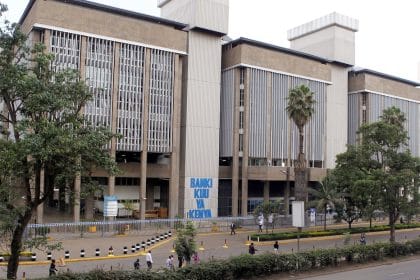



The Central Bank of Kenya has released draft guidelines that would force large lenders to hold extra capital and allow the regulator to restrict their expansion if they become too systemically important.
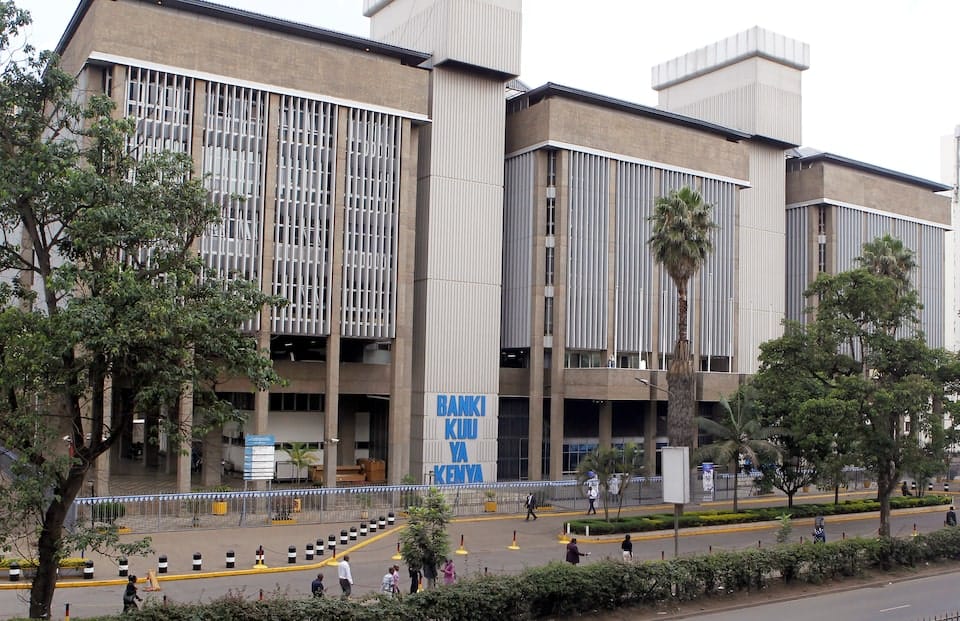
The drafts, published on 10 September 2026, cover revised Prudential Guidelines, Risk Management Guidelines, Guidance Notes and a new Framework for Domestic Systemically Important Banks (D-SIBs). Stakeholders have until 7 November 2026 to submit comments.
What the D-SIB Rules Would Do
Banks whose failure could seriously disrupt the financial system would be designated as Domestic Systemically Important Banks. The CBK would assess them annually using size, interconnectedness, complexity, substitutability and importance to the domestic economy.
Designated banks would face higher loss-absorbency capital requirements, met entirely with Common Equity Tier 1 capital. Proposed buckets range from lower surcharges up to 2.5% of risk-weighted assets for the most systemically important institutions.
The framework also gives the CBK power to restrict expansion. A designated bank could be blocked from new products, mergers or regional acquisitions if the regulator judges the move would raise systemic risk.
Key Proposed Changes
| Area | Current Position | Proposed Change |
|---|---|---|
| Systemic banks | Standard supervision | D-SIB designation with extra capital and closer oversight |
| Extra capital | 2.5% Capital Conservation Buffer | Additional D-SIB surcharges (up to 2.5% CET1) |
| Expansion | Subject to normal approvals | CBK can restrict growth or new products if risk rises |
| Recovery plans | Existing requirements | Mandatory, regularly tested plans with no reliance on state bailouts |
No Taxpayer Bailouts
Recovery plans must assume zero extraordinary government support or unannounced central bank liquidity. Banks would be required to prepare and regularly update these plans so they can restore themselves without public funds.
If internal recovery fails, the framework outlines resolution tools such as bail-ins, bridge institutions or forced ownership transfers.
Impact on Tier-1 Banks
The rules would hit Kenya’s largest lenders hardest — Equity Group, KCB Group, NCBA, Co-operative Bank and others with significant regional footprints. Several of these banks already hold more than half their assets outside Kenya in some cases.
Cross-border acquisitions and major new digital products could face closer scrutiny. Foreign-owned subsidiaries designated as D-SIBs would also see joint oversight with their home regulators.
The sector currently looks well capitalised. Average capital adequacy stood near 20% in mid-2026, well above the 14.5% statutory minimum. Most large banks are expected to absorb the extra buffers, though smaller lenders already under pressure from higher core capital targets could face further consolidation.
How to Comment
Draft documents and a comments template are available on the CBK website. Comments should be emailed to the Bank Supervision Department with the subject line referencing the draft guidelines. The deadline is 7 November 2026.
Read also:Kenya Forex Reserves Rise to $15.25 Billion After Three-Week Slide
Bottom Line
CBK’s draft rules mark a clear shift toward stricter control of Kenya’s biggest banks. Higher capital buffers, mandatory recovery planning and the power to curb expansion are designed to reduce the chance that any single bank can force a taxpayer bailout. The consultation runs until 7 November 2026. Final rules will determine how quickly the new regime takes effect.
Sources:
Central Bank of Kenya – Draft Prudential Guidelines & D-SIBs Framework (10 September 2026);
Business Daily – CBK to cap expansion of big banks;
People Daily – Inside CBK’s new banking guidelines;
Kenyans.co.ke – CBK targets major banks with new capital rules.