







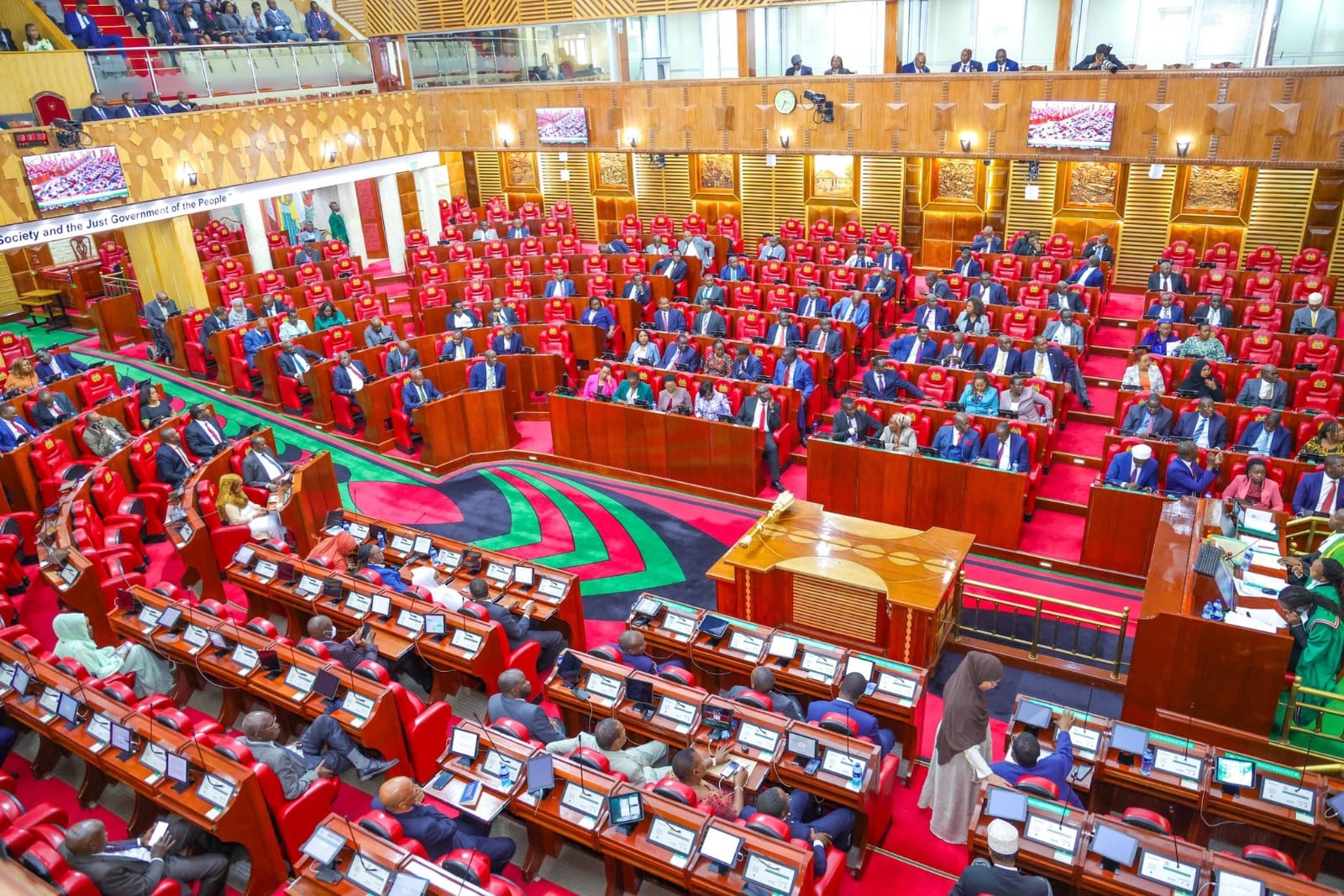
The decision by the committee did not come out of nowhere. Complaints from interns about delayed stipends have been building for years, and questions about how the programme’s funds are tracked and disbursed have never been satisfactorily answered. With the government continuing to channel regular exchequer funding into the scheme while beneficiaries wait months for pay that should arrive on time, Parliament decided it had seen enough and called in the Office of the Auditor-General.
What Has Been Going Wrong
The problems flagged by lawmakers fall into three broad categories. The first is the most visible: interns across government ministries and agencies have been reporting prolonged waits for their monthly stipends, sometimes stretching for several months at a stretch. For young people who joined the programme expecting a structured, paid placement, those delays create genuine financial hardship.
The second issue sits within the payroll system itself. Inconsistencies in how interns are tracked, registered, and processed for payment have created a system where errors go undetected and corrections take too long. A payroll that cannot reliably confirm who is on it, what they are owed, and whether they have been paid is a system inviting abuse and inefficiency in equal measure.
The third concern is broader: weak internal financial controls and accountability mechanisms across the programme. When money flows through a system without adequate checks at each stage, it becomes difficult to trace where breakdowns happen or who is responsible for fixing them. The audit is designed to map all of that, from inception to the present day.
A Programme That Has Struggled to Convert Interns into Jobs
Beyond the financial irregularities, the audit shines a light on a structural challenge that goes to the heart of what the Public Service Internship Programme (PSIP) is supposed to achieve. According to data from the Public Service Commission (PSC), 37,504 interns have been placed through the scheme since it began. Of those, only 3,317 have transitioned into long-term or permanent public service positions.
That is an absorption rate of less than nine percent. For a programme that has been positioned as a pathway into government employment for Kenya’s youth, those numbers raise serious questions about whether the scheme is delivering on its core promise or simply cycling young people through short placements with limited prospects of anything more permanent at the end.
The fiscal environment makes this harder to fix in the short term. Budget constraints have restricted the government’s ability to create new permanent positions, which means the internship programme has become, for many graduates, the only available entry point into public service. That increases the pressure on the scheme to work properly, even as the underlying absorption problem remains unresolved.
Legislation in the Pipeline
The audit is unfolding alongside a separate but related legislative process. The Public Service Internship Bill is currently progressing through Parliament, and if passed, it would formally establish mandatory stipend payments, personal accident insurance cover, and structured leave entitlements for all government interns. Those are protections that interns in other sectors often take for granted but that have remained absent from Kenya’s public service internship framework.
Read also:Equity Group and ITC Join Forces to Unlock Export Potential for East Africa’s Small Businesses
The timing of the two processes running in parallel is significant. If the audit confirms what many interns have been reporting, it will add urgency to the case for the Bill and make it harder for anyone to argue that the current arrangements are adequate. A clear audit trail of financial mismanagement, if that is what Gathungu’s team finds, would be a powerful argument for codifying intern protections in law rather than leaving them to administrative discretion.
What the Audit Needs to Establish
For the exercise to be genuinely useful, the audit will need to go beyond confirming that problems exist. The Auditor-General’s report should trace exactly how funds are allocated to the programme, how disbursements are processed, where delays originate in the payment chain, and whether any funds have been diverted or misused. It should also assess whether the payroll anomalies are the result of system failures, human error, or deliberate manipulation.
That level of detail will give Parliament the evidence base it needs to make informed decisions about the programme’s future, whether that means restructuring how funds are managed, holding specific individuals accountable, or using the findings to strengthen the incoming legislation.
For Kenya’s youth, who have watched this programme operate below its potential for years, the audit represents a rare moment when the system is being forced to account for itself. Whether the accountability that follows is meaningful will depend on what the Auditor-General finds and how seriously Parliament and the executive choose to act on it.