






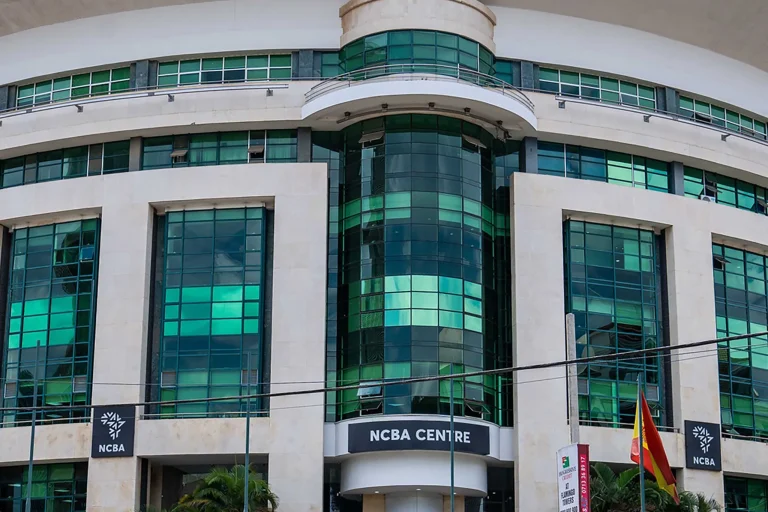
The families of founding President Jomo Kenyatta and former Central Bank Governor Philip Ndegwa are among the biggest beneficiaries of the transaction. Their combined payout is structured as a mix of cash and equity, reflecting a deal designed to give NCBA’s founding shareholders a stake in Nedbank rather than simply cashing them out entirely.
How the Sh21.9 Billion Breaks Down
Of the total payout, Sh1.32 billion will come as a direct cash payment. The larger portion, Sh20.6 billion, will be delivered through 10.14 million shares in Nedbank Group, allocated in exchange for the families’ NCBA holdings. That structure means the Kenyatta and Ndegwa families are not walking away from African banking entirely they are exchanging their stake in a Kenyan institution for a shareholding in one of South Africa’s largest financial groups, with a much broader continental footprint.
The Kenyatta family holds its NCBA shares primarily through Enke Investments, while the Ndegwa family’s interest runs through First Chartered Securities. Together, the two families own approximately 28 percent of NCBA. Under the terms of the deal, they have committed at least 66 percent of their respective holdings to support Nedbank’s tender offer, providing the anchor backing that makes the transaction viable.
The Full Scale of the Nedbank Acquisition
The overall transaction is valued at Sh109.6 billion, covering Nedbank’s acquisition of a 66 percent majority stake in NCBA Group through a combination of cash and stock. That price tag includes a premium of more than 20 percent above the prevailing market value, a signal of how seriously Nedbank views the strategic value of what it is buying.
What Nedbank is really paying for is not just a network of Kenyan bank branches. The South African lender has identified NCBA’s mobile banking and fintech infrastructure as the primary draw. NCBA Loop and the bank’s deep integration with mobile money ecosystems across East Africa give Nedbank a ready-made digital platform that would take years and enormous investment to build from scratch. For a bank looking to expand its continental presence quickly, acquiring that capability through NCBA is a far more efficient path.
What Changes and What Stays the Same
Despite the shift in controlling ownership to South Africa, NCBA Group is expected to keep its local brand identity and maintain its management team in place. The bank will also retain its listing on the Nairobi Securities Exchange (NSE), meaning Kenyan retail and institutional investors will continue to hold shares in a publicly traded entity on the local market.
Read also:Kenya Loses Sh11 Billion Stake in African Development Bank as Other Nations Move Ahead
That continuity matters for confidence. Large foreign acquisitions of domestic banks can trigger uncertainty among depositors, staff, and business clients. Preserving the NCBA brand and local leadership structure is likely a deliberate effort to manage that transition carefully and signal that day-to-day operations will not be disrupted by the change in ultimate ownership.
A Deal That Reshapes Kenya’s Banking Landscape
The NCBA-Nedbank transaction is the most significant foreign entry into Kenya’s banking sector in years, and it arrives at a moment when the industry is navigating a challenging environment of tighter margins, slower credit growth, and rising operational costs. Nedbank’s willingness to pay a substantial premium suggests confidence in the long-term potential of East Africa’s financial market, even against that near-term backdrop.
For Kenya, the deal raises familiar questions about the balance between foreign ownership and domestic control in strategic sectors. Banking sits at the centre of the economy, channelling credit to businesses, households, and the government alike. A South African-controlled NCBA will need to demonstrate that its continental ambitions align with the financing needs of the Kenyan market, not just the growth targets of its new parent.
Read also:Parliament Orders Audit of Kenya’s Government Internship Programme
The shareholder acceptance window that opened in early June 2026 will determine whether the broader investor base backs the deal at the terms Nedbank has offered. If the required threshold is met, one of Kenya’s most storied banking institutions will begin a new chapter under foreign majority ownership while its founding families convert decades of Kenyan banking history into a stake in one of southern Africa’s biggest financial groups.