








Greenhouse farming has become one of the smartest ways to grow crops in Kenya right now. You get more control, better yields, and you can do it all on a smaller piece of land than open field farming would ever allow.
Getting started the right way takes more than just buying a plastic structure and some seeds, though. Here is the complete roadmap for setting up a commercial greenhouse that actually turns a profit.
Start With Market Research and Crop Selection
Before spending a single shilling on equipment, find out what buyers actually want. Visit local grocery stores, open-air markets, restaurants, and wholesale exporters to spot the gaps in supply.
Once you know the demand, pick crops that thrive in a controlled environment and fetch good prices. Tomatoes remain a strong choice, especially long-fruiting hybrid varieties like Anna F1 or Tylka F1, since demand stays consistently high.
Colored capsicums are worth considering too. Yellow and red bell peppers sell for noticeably more than the green variety, which makes them a solid margin booster.
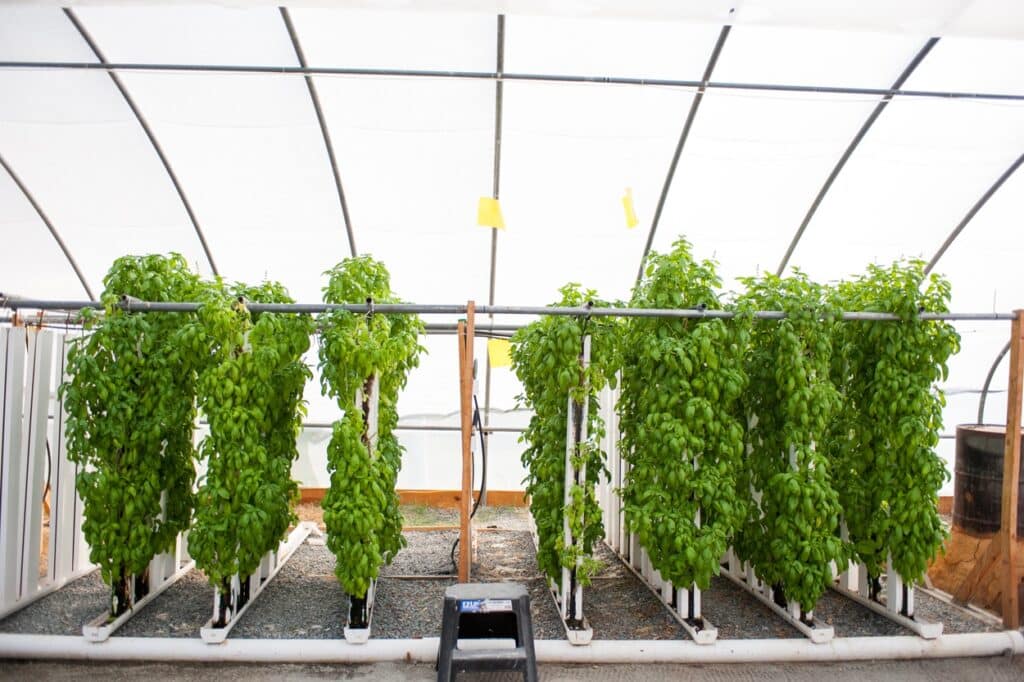
Cucumbers and melons grow fast and work well with vertical trellising, letting you maximize a small footprint. If you want to target premium urban buyers, herbs and berries like basil, mint, coriander, and strawberries can be worth the extra effort.
Choosing the Right Location
Where you build your greenhouse affects everything from plant health to your monthly running costs. Look for an unshaded spot that gets at least six to eight hours of direct sunlight every day.
Water access matters just as much. A standard 500 square meter greenhouse can use up to 1,000 liters of water daily, so you need a reliable, clean source nearby.
Check the topography and soil too. Level ground with good drainage prevents flooding, and a proper soil test will flag any pH issues or hidden pathogens before you plant anything.
Do not overlook logistics either. Building near all-weather roads means your fresh harvest reaches markets quickly, without spoilage eating into your profits.
Picking Your Greenhouse Structure
Your greenhouse design should match both your climate and your budget. Metallic frames made from galvanized steel pipes last over 15 years and resist rust, making them ideal for windy areas and long-term commercial setups, though they cost more upfront.
Wooden frames using treated timber or local wood are far more budget-friendly for beginners. They just do not last as long and are more prone to rot over time.
Whichever frame you choose, use a UV-treated polyethylene cover between 150 and 200 microns thick to block sun damage and trap heat properly.
For shape, tunnel or hoop designs work well in general dry regions. If you are in a heavy rainfall zone, gothic or gabled roofs with pointed tops handle water drainage much better. Orient the structure east to west so sunlight distributes evenly throughout the day.
Setting Up Internal Infrastructure
A well planned interior keeps your labor costs down and your plants healthier. Drip irrigation should be your default choice, since it saves up to 30 percent more water than overhead systems and delivers moisture straight to the root zone.
Pair this with a fertigation system, using a venturi injector or fertilizer tank connected to your main water line. This lets you feed nutrients directly through the irrigation system without extra labor.
Roll-up side vents, roof vents, and insect netting help regulate internal temperature while keeping pests out. For vine crops like tomatoes and cucumbers, install overhead support wires or crop holders to train them vertically and free up floor space.
Managing Crops and Biosecurity
A greenhouse creates ideal growing conditions, but that same environment can also speed up pest and disease problems if you are not careful. Mix your topsoil with well-rotted manure and compost, or use sterilized raised beds if your ground soil is contaminated.
Rather than relying purely on chemical sprays, combine physical barriers like insect nets with yellow sticky traps and targeted organic pesticides. This integrated approach keeps pest pressure down without overusing chemicals.
Make it a habit to scout your crops weekly for whiteflies, aphids, red spider mites, and early signs of powdery mildew. Regular pruning and staking also keeps airflow clean and improves the quality of your final harvest.
Financial Planning and Sourcing
Draft a proper business plan covering structural costs, seed inputs, water infrastructure, and labor needs before you start building anything. This gives you a realistic picture of what you are actually getting into.
Set aside enough working capital to cover utility bills, fertilizers, and labor for at least one full growing season. Cash flow gets tight before that first harvest payout arrives, so plan for it.
Working with reputable agricultural engineering firms can save you costly mistakes. They can help with certified UV plastic sourcing, frame erection, and proper irrigation layout design from the start.
Read also:How Kirinyaga Became Kenya’s Gold Standard for Coffee Farming
Frequently Asked Questions
How much water does a commercial greenhouse use daily?
A standard 500 square meter greenhouse can use up to 1,000 liters of water per day, depending on the crops grown.
Which crops are most profitable for greenhouse farming in Kenya?
Tomatoes, colored capsicums, cucumbers, melons, and high-value herbs like basil and strawberries tend to offer the best returns.
Should I choose a metallic or wooden greenhouse frame?
Metallic frames last longer and suit windy or permanent commercial setups, while wooden frames are more affordable for beginners starting on a smaller budget.
How does drip irrigation help greenhouse farming?
Drip irrigation saves up to 30 percent more water than overhead systems and delivers moisture directly to the root zone, improving efficiency.
What is Integrated Pest Management in greenhouse farming?
It combines physical barriers, sticky traps, and targeted organic pesticides instead of relying solely on chemical sprays to control pests.
Starting a greenhouse farming business in Kenya takes real planning, from market research all the way through to biosecurity and financial preparation. Skipping any of these steps usually shows up later as lost yield or unnecessary expenses.
Get the fundamentals right from day one, and greenhouse farming can become one of the more reliable and profitable ventures in Kenyan agriculture.