






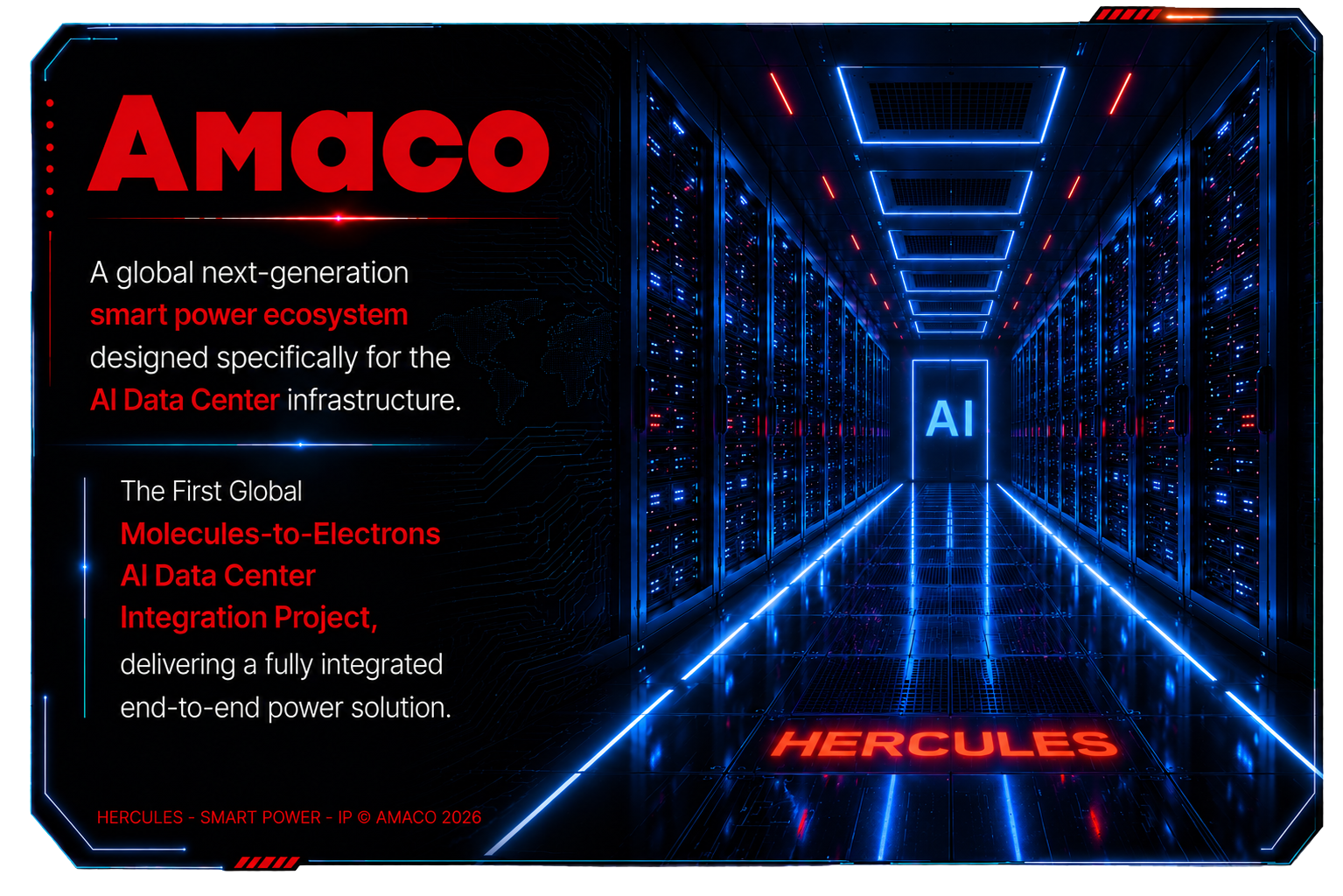
Kenya keeps landing eye-catching AI infrastructure deals, and the latest one comes with genuinely unusual features. Greek multinational Amaco Energy Group is proposing a $1.5 billion, roughly Sh194 billion, artificial intelligence data centre in Mombasa, designed to operate independently of Kenya’s national power grid entirely.
Amaco CEO Theodore Theodoropoulos has been in Nairobi holding talks with government officials to secure approval for the project, which would rank among the largest AI data centre facilities in the world if it goes ahead as planned.

What Makes This Project Different
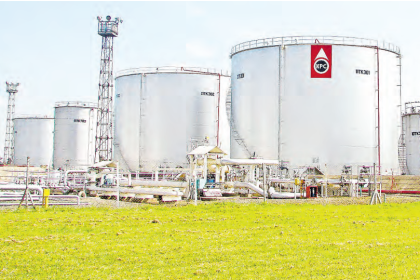
Unlike most data centre investments that draw directly from a country’s electricity grid, Amaco’s Mombasa facility is designed to run completely independently of Kenya’s national power supply. The company plans to deploy an offshore liquefied natural gas-powered electricity and cooling platform it calls Hercules, described in Amaco’s own materials as an integrated “molecules-to-electrons” smart-power system built specifically for AI and data centre loads.
Hercules combines electricity generation and cooling infrastructure into a single offshore platform, processing natural gas to power the facility without drawing on local grid capacity. Beyond powering the data centre itself, Amaco says the setup has the potential to feed surplus power back into Kenya’s broader energy grid, positioning the project as a net contributor to national capacity rather than a drain on it. Amaco has promoted similar Hercules concepts for markets in Greece and the wider Adriatic and Balkans region, though independent, third-party verification of those deployments remains limited at this stage, so this positioning should be treated as the company’s own framing rather than confirmed operational history.
The Power Requirement Kenya Is Watching Closely
Here is where the project has drawn real scrutiny. Reporting on the proposal indicates the facility’s power requirement was scaled up from an initial 60 megawatts to as much as 1,000 megawatts for regional use, a jump substantial enough to concern Kenyan officials, according to Business Daily Africa’s original reporting on the talks. It is worth noting that broader discussion of large AI data centre power demands in Kenya has increasingly drawn comparisons to Microsoft and G42’s separate Olkaria project, so readers should treat the specific 60-to-1,000 megawatt figure as reported for the Amaco proposal specifically, rather than assuming identical numbers apply across different projects.
This is not the first time an ambitious AI data centre proposal has collided with Kenya’s grid limitations. Microsoft and UAE-based G42 previously announced a $1 billion data centre in Olkaria intended to serve as Microsoft Azure’s East Africa Cloud Region, only for that project to stall after officials determined the national grid could not support it without diverting power away from other users. Amaco’s offshore, self-powered approach appears designed specifically to sidestep this exact problem, since Hercules is built to operate independently of the grid rather than draw from it.
Why Kenya Keeps Attracting These Deals
Kenya has become an increasingly attractive destination for data centre investment, driven by rising demand for cloud computing, AI, digital finance, and other internet-dependent services across East Africa. The region is currently served mostly by smaller-scale local deployments, leaving real room for a facility of Amaco’s proposed size.
Other players have already staked claims in the market. IXAfrica runs a 22.5 megawatt campus on Mombasa Road and is developing a second, larger site in Limuru targeting 53 megawatts, backed by Helios Investment Partners. Cassava Technologies has also announced plans to deploy thousands of NVIDIA GPUs across several African markets, including Kenya, as part of a broader continental AI infrastructure push.
Where the Project Stands Now
Amaco’s Mombasa proposal builds on groundwork the company laid back in 2024, when it registered an initial LNG-to-power and natural gas transmission project for Mombasa under its own project tracking system. That original proposal has since evolved into a broader AI-focused initiative, part of a wider strategy Amaco unveiled in May 2026 to develop AI-powered offshore energy infrastructure across the Middle East, East Africa, and Europe.
For now, the project remains in the approval stage, with Theodoropoulos’s Nairobi visit centered on exploring development terms with Kenyan officials rather than confirming a finalized deal. Given how the Microsoft-G42 project stalled over grid concerns, Amaco’s ability to secure approval may depend heavily on convincing officials that its offshore, self-sufficient power model genuinely avoids straining the national grid.
Read also:Foreign Tech Companies Investing in Kenya (2026)
Frequently Asked Questions
How much is Amaco’s proposed Mombasa AI data centre worth?
The project is valued at approximately $1.5 billion, or roughly Sh194 billion, according to the company’s own figures reported by Business Daily Africa.
Will the data centre use Kenya’s national electricity grid?
No, the facility is designed to operate independently, powered by an offshore LNG-based system called Hercules that combines electricity generation and cooling without drawing on the national grid.
Why has Kenya expressed concern about this project?
Reported plans to scale the facility’s power capacity from 60 megawatts to as much as 1,000 megawatts for regional use have raised questions among officials, even though the project is designed to run independently of the national grid.
Is this Amaco’s first project in Kenya?
No, the company registered an earlier LNG-to-power and gas transmission proposal for Mombasa back in 2024, which has since evolved into this larger AI-focused initiative.
How does this compare to Microsoft and G42’s Kenya data centre project?
Microsoft and G42’s $1 billion Olkaria data centre stalled after Kenya’s grid proved unable to support it, a challenge Amaco’s self-powered, offshore approach is specifically designed to avoid.
Bottom line
Amaco’s proposed Mombasa data centre represents one of the boldest AI infrastructure bids Kenya has seen yet, both in scale and in its unusual self-powered design. Whether it succeeds where Microsoft and G42’s Olkaria project stumbled may come down to how convincingly Amaco can prove its offshore Hercules system truly stays independent of Kenya’s already stretched national grid.
With talks between Amaco and Kenyan officials still ongoing, this is very much a developing story worth watching closely in the coming months. You can follow the original reporting on this story through Business Daily Africa, and more on Amaco’s Hercules system directly through the company’s own site.