

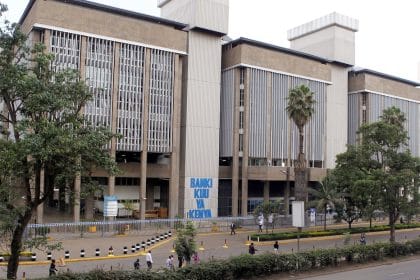



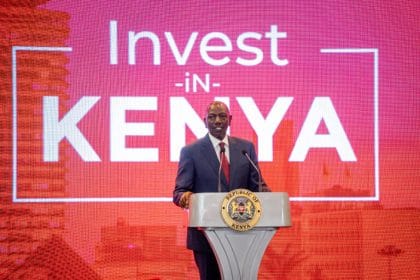


Kenya’s tech sector is pulling in serious money right now. National foreign direct investment climbed to $3.2 billion, cementing the country’s reputation as East Africa’s Silicon Savannah.
Much of this growth traces back to regulatory reforms, including the repeal of the 30 percent domestic equity requirement for foreign tech firms and the removal of VAT on exported services. These changes let multinational corporations retain full ownership and scale operations without the bureaucratic friction that used to slow things down. Here is where the money is actually going.
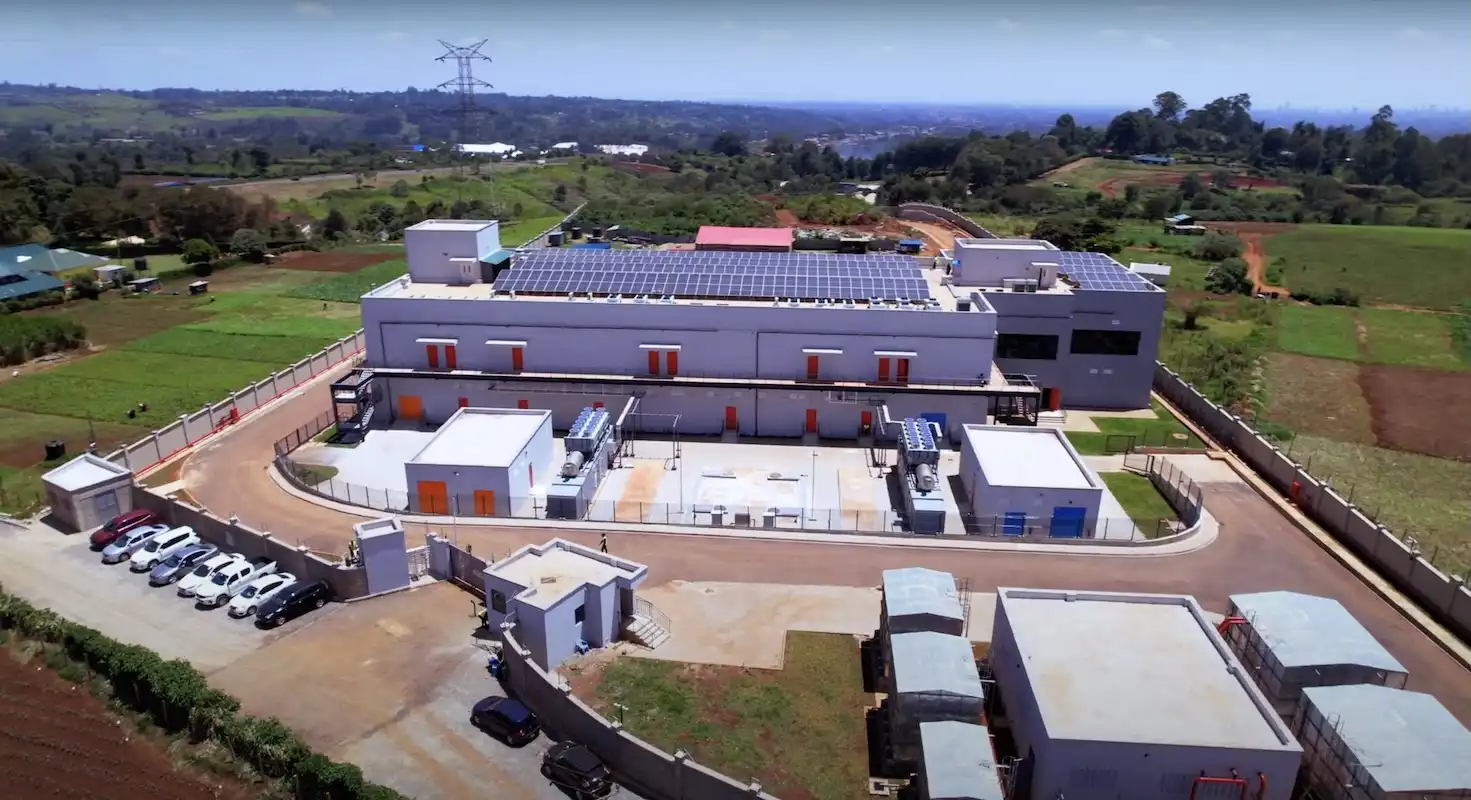
Cloud Computing and Big Data Infrastructure
Building local data centers has become a top priority for foreign tech firms, aimed at supporting cloud adoption, cutting latency, and meeting domestic data compliance rules.
Microsoft and G42, the Abu Dhabi based AI firm, announced a landmark $1 billion digital investment initiative back in 2024 to build a cloud data center campus in Olkaria, designed to run entirely on geothermal energy. That project has since stalled. Kenya’s government suspended the facility in May 2026 after determining the national power grid could not support its electricity demands, with President Ruto stating the country would need to switch off half its power supply just to keep the facility running. Officials say they remain committed to reviving the project once grid capacity improves.
Amazon Web Services moved forward more smoothly, launching an official Development Center in Nairobi following the regulatory easing. This expanded AWS’s local infrastructure footprint and cloud operations across the region.
Airtel Africa, through its data center arm Nxtra, broke ground in September 2025 on a $150 million data center in Tatu City. The 44-megawatt facility is being built in two phases and is on track for completion in the first quarter of 2027, positioning it as the largest facility of its kind in East Africa.
Artificial Intelligence and Device Ecosystems
Kenya has been aggressively positioning itself as Africa’s AI capital, and several global hardware and software firms have responded with dedicated hub developments.
ASUS has designated Kenya as its official regional hub for East Africa, aiming to capture growing AI tool adoption among youth and small businesses.
Google runs an active Africa Investment Fund supporting local AI-driven startups, alongside an established Product Development Center in Nairobi that continues to expand its engineering footprint.
Microsoft has separately built out its Africa Development Centre and the Microsoft Africa Research Institute in Nairobi, both focused on localized AI development and software engineering, independent of the stalled Olkaria data center project.
Financial Technology and Innovation Studios
Kenya’s digitally literate population and its dominant mobile money ecosystem have made it a magnet for global payment networks looking to expand across Africa.
Visa opened its first African Innovation Studio in Nairobi, placing the city alongside global hubs like San Francisco and London in designing future payment infrastructure.
Tether has injected venture funding into local digital payment rails like Kotani Pay, aiming to scale web3 infrastructure and payment liquidity across the region.
Global Business Process Outsourcing
Following the removal of VAT on exported services, international firms have been setting up localized operations to tap into Kenya’s strong English-speaking workforce.
TikTok has maintained heavy investment in local content moderation and safety operations, processing and scaling community guidelines enforcement from its Kenyan base.
Why Power Capacity Is Becoming a Real Bottleneck
The Microsoft-G42 stall highlights a growing tension in Kenya’s tech investment story. While the country markets itself heavily on renewable geothermal energy, its transmission infrastructure has not kept pace with the scale some of these projects require.
Kenya’s peak power demand reached a record 2,444 megawatts in January 2026, and a single hyperscale data center at full build-out could have demanded a meaningful share of that capacity. This gap between ambition and grid readiness is something future investors, and the government itself, will need to resolve if Kenya wants to keep landing deals of this scale.
Also read:Fastest Growing Tech Companies in Kenya (2026)
Frequently Asked Questions
Is the Microsoft-G42 Olkaria data center still going ahead?
The project has stalled since May 2026 due to power grid capacity concerns, though Kenyan officials say they remain committed to reviving it once infrastructure improves.
How much has Kenya’s tech sector attracted in foreign investment?
National FDI has climbed to $3.2 billion, with technology forming a major share of that growth.
What regulatory changes helped attract foreign tech investment?
Kenya repealed the 30 percent domestic equity requirement for foreign tech entities and removed VAT on exported services, allowing full foreign ownership.
When will Airtel’s Nxtra data center be completed?
The 44-megawatt facility in Tatu City is expected to be operational in the first quarter of 2027.
Why is Nairobi considered Africa’s AI capital?
Companies like Google, Microsoft, and ASUS have all established dedicated AI development hubs or regional offices in Nairobi, reinforcing its tech ecosystem.
Foreign tech investment in Kenya remains genuinely strong, spanning cloud infrastructure, AI research, fintech, and outsourcing operations. That said, the Microsoft-G42 stall is a useful reminder that ambition alone does not guarantee smooth execution, especially when power infrastructure has not caught up with investment appetite.
Companies like Airtel and AWS pushing forward successfully show the model can work, but Kenya’s next major test will be proving it can support the scale of projects it keeps attracting.