

Kenya’s corporate debt market just got a major shot in the arm. KCB Group has officially unveiled its Sustainability Bond Framework, setting the stage for what would be the largest corporate debt programme ever announced in the country.
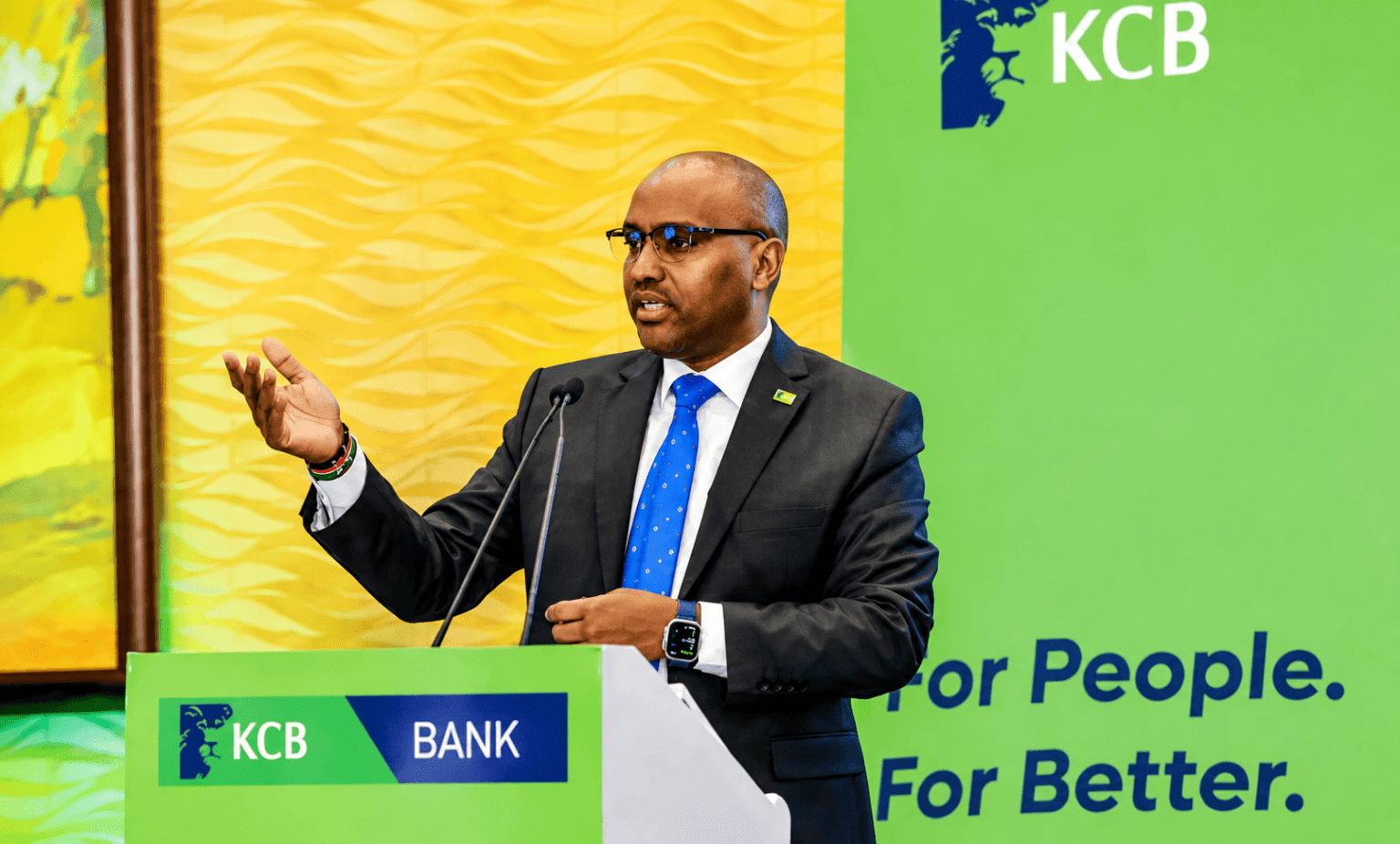
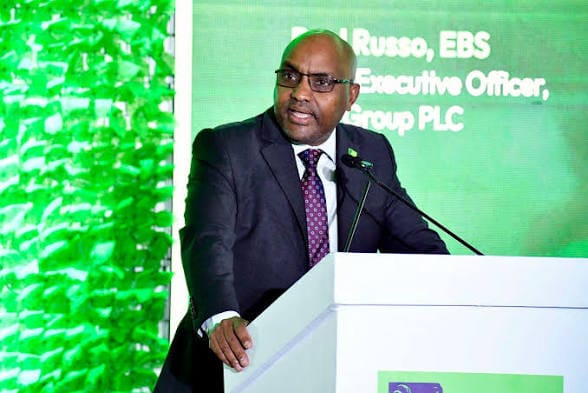
The bank plans to raise up to Sh300 billion over five years through a Medium-Term Note programme, with an initial tranche of up to Sh100 billion targeted for October 2026. KCB Group CEO Paul Russo unveiled the framework on August 19, 2026 at the KCB Leadership Center in Nairobi, describing it as a platform built to “translate our long-standing sustainability ambition into a clear, credible and scalable capital mobilization platform.”
Key Details of the Bond Issuance
| Detail | Figure |
|---|---|
| First Tranche Target | Up to Sh100 billion |
| Full Programme Size | Sh300 billion over five years |
| Bidding Opens | October 2026 |
| Expected NSE Listing | November 2026 |
| Currency Structure | Kenya Shillings and US Dollars |
| Target Currency Mix | Approximately 60% USD, 40% KES |
| Moody’s Sustainability Quality Score | SQS2, “Very Good” |
A Medium-Term Note, or MTN, is a debt instrument corporations and financial institutions use to raise capital, typically maturing in five to ten years and sitting between short-term and long-term debt on the maturity spectrum. If the first tranche lists as planned, it would push the total value of issued and outstanding corporate bonds on the Nairobi Securities Exchange to roughly Sh205.3 billion.
Where the Proceeds Will Go
The capital raised through these sustainability bonds will be strictly ring-fenced for specific categories of environmentally and socially impactful projects across the region.
Green projects cover renewable energy infrastructure, green buildings, clean transportation, and sustainable agriculture. Blue assets extend to sustainable fisheries, marine protection, and ocean-related micro-economies, an area that remains relatively underserved by corporate financing in the region. Social initiatives will fund developer loans for green-certified affordable housing, alongside dedicated financing for women- and youth-led micro, small, and medium enterprises. The programme also covers water management projects, rounding out a genuinely broad mandate.
What the Moody’s Rating Actually Means
Moody’s assigned the framework a Sustainability Quality Score of SQS2, rated “Very Good,” a score that places KCB’s framework in solid company internationally. Air France-KLM Group’s Sustainability-Linked Financing Framework received the same SQS2 rating from Moody’s, as did South Korea’s state-owned development bank KDB for its own sustainable financing framework, giving Kenyan investors a useful international benchmark for how the rating agency views KCB’s approach.
Why This Matters for Kenya’s Bond Market
This issuance marks a genuine resurgence for Kenya’s corporate debt market, which suffered a prolonged dip in investor confidence following a string of historical bank failures. KCB’s move comes at a moment of notably strong market liquidity, echoing the oversubscribed issuances Safaricom and the Kenya Mortgage Refinance Company have pulled off in recent bond rounds.
KCB executives have acknowledged the Sh300 billion target is ambitious, but argue it is achievable given the framework’s ability to raise funds in both local and foreign currencies simultaneously. Globally, sustainable bond issuance is expected to reach around $900 billion in 2026 according to Moody’s own forecasts, with green bonds remaining the dominant category at roughly 60 percent of total volume, so KCB’s timing lines up with continued strong global appetite for this asset class even amid political headwinds in some markets.
KCB’s Financial Position Backing the Bond
KCB enters this bond programme from a position of real financial strength. The bank posted a profit before tax of Sh49.3 billion for the first half of 2026, up 20.8 percent year on year, with operating income crossing Sh108.1 billion for the first time in the group’s history.
Customer deposits grew 15.1 percent to Sh1.7 trillion over the same period, while gross loans expanded 14.2 percent to Sh1.35 trillion. The bank’s balance sheet grew 16.8 percent to a record Sh2.3 trillion, and its stock of non-performing loans fell by roughly Sh17.3 billion, reflecting improved asset quality alongside the earnings growth. On the back of these results, KCB’s board also raised its interim dividend by 50 percent to Sh3.00 per share.
Risks Investors Should Weigh
Corporate bonds carry credit risk tied directly to the financial health of the issuing entity, and sustainability bonds are no exception despite their positive framing. While KCB’s H1 2026 results and Moody’s SQS2 rating both point to a financially resilient issuer, the bond remains subject to regulatory approval, and final terms, including the exact currency split and pricing, have not yet been confirmed.
Investors should review the official prospectus carefully once regulators grant final approval, paying particular attention to the specific use-of-proceeds allocations and reporting commitments, since these details determine how strictly KCB is bound to deploy the funds toward its stated green, blue, and social categories.
Read also:KCB Wins Priority Over Proctor & Allan Assets in Sh4.9bn Debt Row
Frequently Asked Questions
How much is KCB’s first bond tranche worth?
The first tranche targets up to Sh100 billion, part of a broader five-year Sh300 billion Medium-Term Note programme.
When will KCB’s sustainability bond list on the NSE?
Bidding is expected to open in October 2026, with listing on the Nairobi Securities Exchange anticipated in November 2026.
What rating did Moody’s give KCB’s sustainability framework?
Moody’s assigned the framework a Sustainability Quality Score of SQS2, rated “Very Good.”
What will the bond proceeds actually fund?
Proceeds will fund green projects like renewable energy and clean transport, blue assets like sustainable fisheries, and social initiatives including affordable housing and women- and youth-led MSME financing.
How is KCB performing financially ahead of this bond issuance?
KCB posted a 20.8 percent rise in profit before tax to Sh49.3 billion in H1 2026, with total assets reaching a record Sh2.3 trillion.
Bottom line
KCB’s Sh300 billion Sustainability Bond Framework represents both a major vote of confidence in Kenya’s recovering corporate debt market and a significant bet on sustained investor appetite for green and social financing. With strong H1 2026 results underpinning the issuer’s credibility and a “Very Good” rating from Moody’s already secured, the framework has a solid foundation heading into its October bidding window.
Whether the full Sh300 billion target is ultimately achieved will depend heavily on how the first Sh100 billion tranche performs once regulators grant final approval and pricing details are confirmed.