







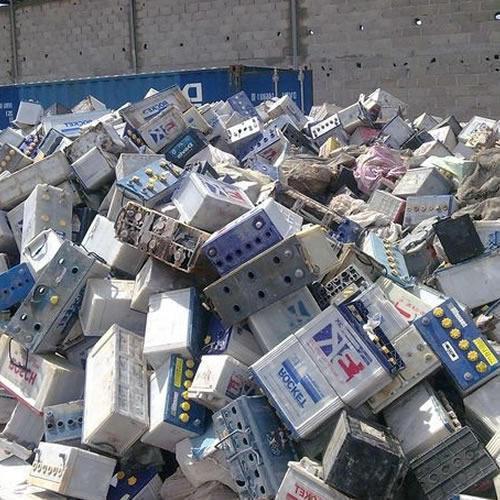
Associated Battery Manufacturers, the largest maker of automotive and solar lead-acid batteries in East and Central Africa, says it could be forced to halt production if the smuggling of scrap batteries to Tanzania is not urgently stopped. The company’s collection of used batteries has fallen by roughly 50 percent, according to the Standard, putting thousands of direct and indirect jobs at risk.
ABM Group Managing Director Guy Jack didn’t mince words about the stakes. He warned the company “could be forced to suspend production” if the illegal trade in scrap batteries continues unchecked, a threat that lands squarely on Kenya’s manufacturing base at a moment when the government is trying to grow that sector, not shrink it.

A Truck, a Border, and a Mysterious Release
The urgency behind this latest warning traces back to a single incident that’s become emblematic of the whole problem. ABM official James Wafula told the Standard that a truck loaded with scrap batteries had been trailed from Nairobi, where it picked up cargo from several yards before heading down Mombasa Road, loading more scrap along the way.
Kenya Revenue Authority officials intercepted the truck at Kimana along the Emali-Taveta route at around 11pm and detained it. Then, at about 2am, it was released under circumstances Wafula described as mysterious, and allowed to cross into Tanzania. That gap, between a legitimate interception and an unexplained release, is precisely the loophole battery manufacturers say keeps this trade alive despite Kenya’s outright export ban.
Why This Keeps Happening Year After Year
This isn’t a new crisis. It’s a recurring one. Kenya banned the export of scrap metal, including spent lead-acid batteries, through a law enacted in 2015, and the pattern of interceptions followed by mysterious releases or minimal penalties has repeated at Kenya’s borders for years. In 2022 and 2023, the Nation reported multiple incidents of KRA intercepting trucks at the same Taveta border crossing, only for industry players to complain that licences of caught dealers were rarely revoked. In one 2024 case reported by the Standard, a driver who pleaded guilty to exporting scrap batteries without a licence was fined just Sh30,000, and his truck, cargo included, was released anyway.
The financial incentive for smugglers is stark. Fines for illegal export in Kenya run into the tens of thousands of dollars on paper, but in Tanzania, the penalty for the same offence is roughly $4,000, according to research from the Institute for Security Studies. That gap, combined with weak enforcement of licence cancellations on the Kenyan side, has made the Kenya-Tanzania scrap trade persistently profitable for years, no matter how many trucks get stopped.
What the Law Actually Says
Kenya’s Scrap Metal Act, Cap 503, is unambiguous on paper. Section 26(1) prohibits the export of scrap metal in any form, and the Scrap Metal Council has specifically designated lead-acid batteries under that total export ban. Section 26(2) does allow the Cabinet Secretary for Finance, in consultation with the Ministry of Industrialization, to authorise narrow exemptions, but these require individual Principal Secretary certificates and last a maximum of six months. No such exemption exists for automotive batteries.
Anyone caught smuggling or exporting scrap batteries without authorisation faces a fine of up to Ksh 10 million, up to five years in prison, or both. Legitimate dealers are also required to keep detailed records verifying the origin of every batch of material they handle, specifically to prevent stolen or vandalised goods from entering the legal supply chain.
The Regulator’s Response So Far
The Scrap Metal Council issued a statement dated August 21, 2026, describing illegal exportation and smuggling of lead-acid batteries as a threat to local manufacturing that could undermine Kenya’s industrialisation agenda. It called on scrap metal dealers to conduct due diligence before purchasing or trading in scrap materials, maintain proper transaction documentation, and confirm materials are sourced legitimately before handling them.
The council warned that dealers who fail to comply with licensing requirements risk facing action under the law. That warning echoes almost word for word what the same council said in 2023, when dealers themselves called for the body to be disbanded over what they described as a failure to enforce licence cancellations against repeat offenders.
Read also:Kenya Targets 15% Manufacturing GDP Share by 2027
The Economic Cost of Losing Raw Material
ABM supports a network of more than 2,000 direct and indirect jobs, spanning factory workers, scrap collectors, and licensed dealers. The company has invested over Ksh 1 billion in automated recycling infrastructure, including its Athi River plant, purpose-built to process domestically sourced scrap batteries. A prolonged raw material shortage doesn’t just threaten output, it leaves that capital investment sitting largely idle.
There’s a broader ripple effect too. Kenya is the largest consumer of lead-acid batteries in the East African Community, yet the region’s two manufacturers, ABM and Uganda Batteries Limited, together produce only about 30 percent of regional market demand, according to Business Daily reporting. When smuggling drains domestic scrap supply, manufacturers are forced to rely more heavily on imported lead, pushing up costs that eventually show up in the price of car batteries, solar batteries, and the transport and energy costs tied to them.
What Actually Needs to Change
Industry voices, including the Battery Manufacturers Association, have argued for years that the real fix isn’t more interceptions, it’s consequences that stick. Licences of dealers caught exporting scrap batteries need to actually be cancelled rather than quietly reinstated, penalties need to be enforced consistently at the point of conviction rather than negotiated down to token fines, and Kenya needs closer cross-border cooperation with Tanzanian authorities to close the arbitrage gap created by the two countries’ very different fine structures.
Until enforcement matches the law on paper, ABM’s warning is unlikely to be the last one. The pattern over the past several years suggests that without a fundamental change in how violations are actually punished, Kenya’s battery manufacturing sector will keep losing the raw material fight at the border, no matter how many trucks get pulled over along the way.