








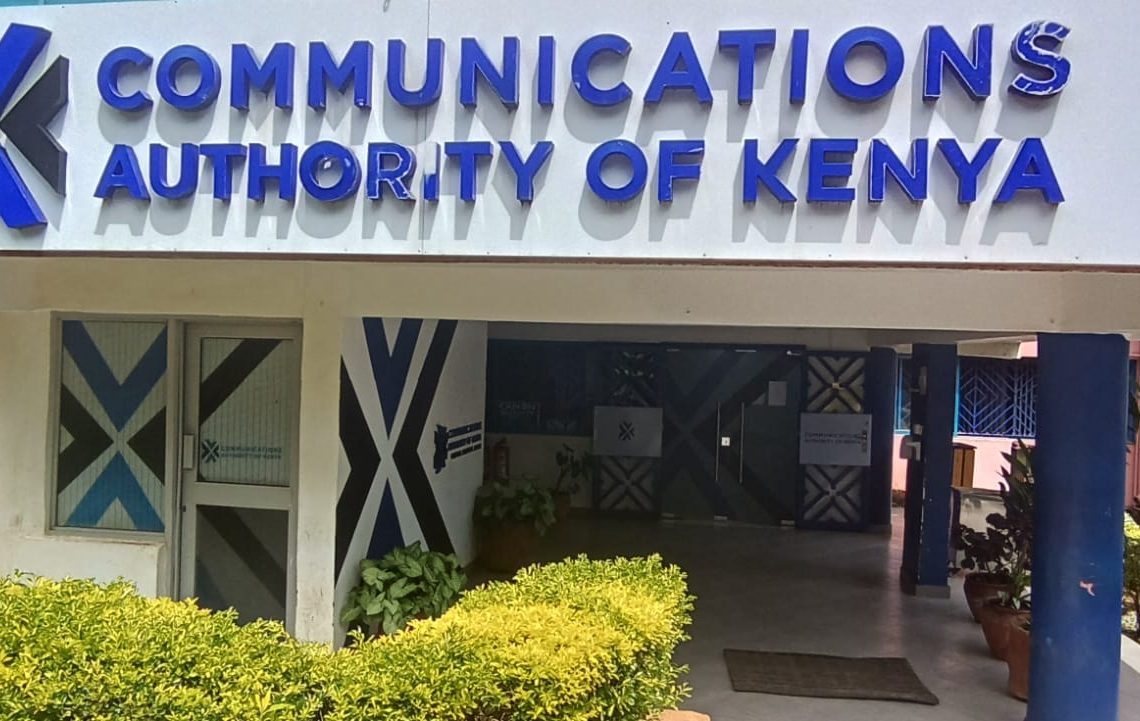
The Communications Authority of Kenya has published draft rules that would force mobile operators to wait longer before recycling inactive phone numbers. The proposal, released on 1 September 2026, aims to protect digital identity and reduce the risk of new users inheriting old M-Pesa alerts, bank OTPs and other personal data.
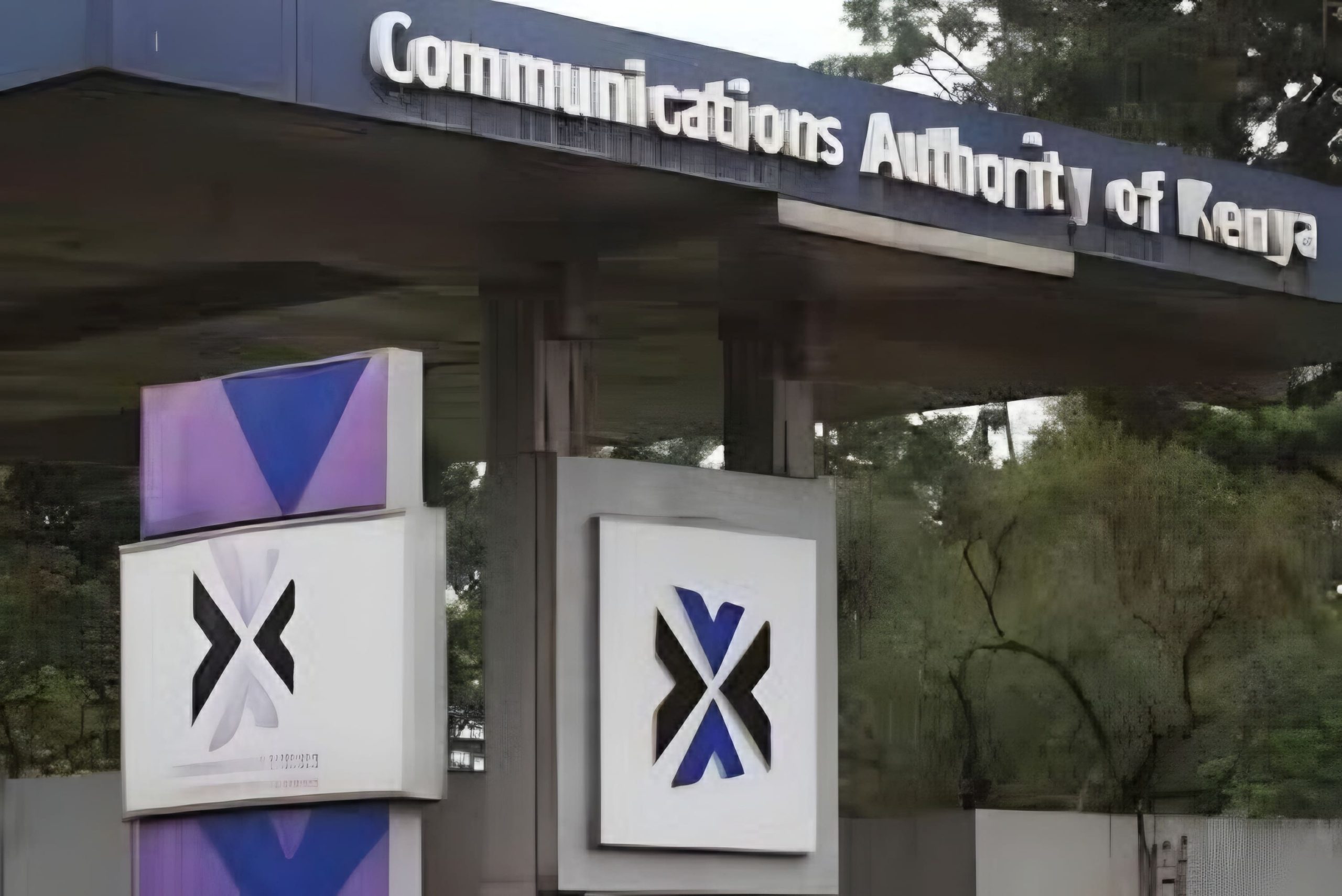
CA has opened public comments on new draft safeguards for deactivating and recycling inactive mobile numbers. Feedback closes 11 September 2026.
Under the draft, a line becomes a candidate for deactivation after three months with no revenue-generating activity. That means no calls, SMS, data use, airtime top-up or value-added service. Operators must then run a further three-month notification window. Only after that full period can the number move toward recycling, subject to the other safeguards in the guidelines.
In practical terms, the process stretches to about six months of inactivity before a number can be reassigned. Public comments are open until 11 September 2026. Submissions go to numbering@ca.go.ke.
Why the Rules Are Changing
For years Kenyan operators recycled unused numbers after roughly 90 to 120 days to free scarce numbering resources. That practice collided with a March 2026 High Court ruling.
On 19 March 2026, Justice Lawrence Mugambi held that a registered mobile number forms part of a person’s digital identity and is protected under the constitutional right to privacy. The court barred automatic recycling without the original owner’s consent. It ordered the Attorney General, working with the CA and the Office of the Data Protection Commissioner, to put protective measures in place within six months. The court deadline falls around 19 September 2026.
The case was driven in part by prisoners whose numbers were reassigned while they were in custody, leaving third parties able to receive messages and alerts meant for them. The judgment also flagged the wider risk: when a number is recycled, the new holder can receive residual OTPs, M-Pesa notifications and banking alerts linked to the previous owner.
What the Draft Guidelines Require
The CA document is titled “Procedures and technical safeguards for deactivation and recycling of inactive telecommunication numbering resources.” Key points include:
- Three-month inactivity trigger – no revenue-generating activity.
- Further three-month notification period – operators must try to reach the registered owner.
- Public listing – 30 days before the grace period ends, providers must publish numbers at risk of deactivation on their websites, in other media and in a nationwide newspaper.
- Consent and verification – reassignment requires verifiable consent from the previous subscriber where possible, or a documented process showing the owner cannot be located or has relinquished the number.
- Data delinking – once a number is deactivated, personal data linked to the previous owner must be securely archived and delinked so the next user cannot see it.
The draft also addresses special cases. The Commissioner-General of Prisons can submit numbers of inmates serving longer than six months so those lines are protected from deactivation. Caregivers can apply in person to whitelist a line for up to a year where the owner is indisposed for medical or similar reasons.
The guidelines are intended to take effect from 19 September 2026, subject to the consultation outcome and any final adjustments, with some centralised database elements coming later.
| Stage | What happens |
|---|---|
| 0–3 months inactive | No calls, SMS, data, top-up or VAS. Number flagged. |
| Next 3 months | Operator must notify the registered owner. Grace period continues. |
| 30 days before end of grace | List of numbers at risk published online and in a national newspaper. |
| After full process | Deactivation and possible recycling, subject to consent/verification and data delinking. |
Impact on Telcos and Consumers
Longer hold times mean more dormant numbers sitting on operator systems without generating revenue. That raises signalling, routing and inventory costs for Safaricom, Airtel and other providers. It also reduces the pool of numbers available for new subscribers in the short term.
For consumers the trade-off is clearer protection. A number is less likely to be reassigned while someone is abroad, in hospital, in custody or simply not topping up regularly. The flip side is that pure “use it or lose it” recycling becomes slower, so number scarcity could still matter if demand stays high.
The CA has framed the draft as both a numbering-management tool and a privacy response to the High Court orders.
How to Check Your SIM Registration
Kenya uses a unified self-service code across networks:
- Dial *106#
- Select the option to check registration status
- You will see whether your current line is registered and a list of numbers linked to your national ID
If you see an unfamiliar number on your ID, the same menu usually allows you to report it and request cancellation. That remains one of the fastest ways to clean up fraudulent or unknown lines.
Safaricom Daima: Keeping a Line Active Without Regular Top-Ups
Safaricom already offers a paid way to hold a prepaid line open. Daima is aimed at people who travel, study, keep a secondary SIM or need a number for tracking and do not top up often.
| Package | Cost | What you get |
|---|---|---|
| 6 months | KSh 200 | Line stays active; 20 minutes + 20 SMS monthly |
| 1 year | KSh 500 | Same monthly allocation for 12 months |
| 2 years | KSh 1,000 | Same monthly allocation for 24 months |
How to activate (individual prepaid only):
- Dial *100*4# and follow the prompts, or
- Use the MySafaricom / One App under Daima or “Keep Line Active”
Pay with airtime or M-Pesa. Outstanding Okoa Jahazi debt usually has to be cleared first. Daima does not apply to M-Pesa tills, corporate lines or post-paid accounts. It is a commercial product, not a CA rule, but it sits alongside the new draft dormancy process as a practical option for subscribers who want to hold a number deliberately.
Read also:Tech News: SpaceX IPO, Gemini Kenya, $10B AI Startup and Apple Siri
What Happens Next
These are draft guidelines, not final law. The CA has invited public memoranda until 11 September 2026. After that the authority can refine the text, issue final safeguards and move toward implementation around the High Court timeline of mid-September 2026.
Operators will need systems for longer tracking, notification, public lists, consent records and cleaner data delinking. Consumers who keep secondary or rarely used lines should watch the final rules and consider tools such as Daima or a deliberate small top-up if they want to avoid any risk of deactivation.
For now the core message is straightforward: inactivity will no longer lead to a quick recycle. The process will be longer, more notified and more tightly linked to privacy and consent.
Sources
- Kenyans.co.ke – CA unveils new rules governing recycling of inactive phone numbers
- The Star – CA invites views on deactivation and recycling of inactive mobile numbers
- Techweez – Kenya plans to deactivate mobile numbers after 3 months of no use (draft process)
- Daily Nation – Court rules phone numbers can’t be recycled without consent (March 2026)
- Communications Authority of Kenya – Draft procedural and technical safeguards (public consultation notice, 1 September 2026)
- Safaricom Daima – Official package prices and activation (*100*4#)