







The Energy and Petroleum Regulatory Authority (EPRA) has raised maximum pump prices for the period from 15 October to 14 November 2026. Super Petrol will increase by KSh 12.93 per litre, Diesel by KSh 9.90, and Kerosene by KSh 28.49.
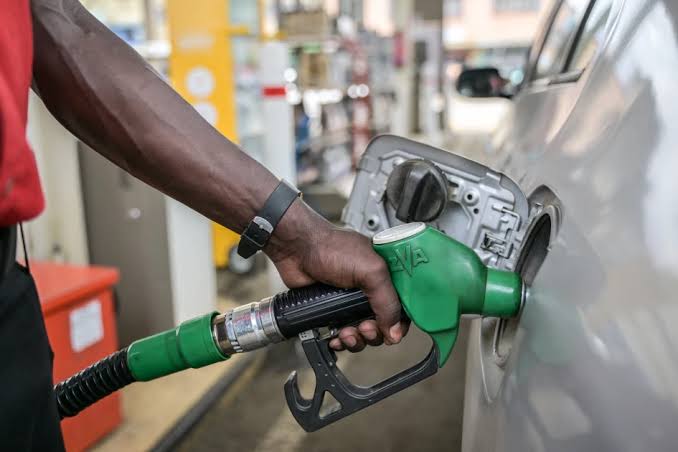
In Nairobi, the new maximum retail prices will be KSh 226.96 per litre for Super Petrol, KSh 227.76 for Diesel, and KSh 219.87 for Kerosene. These figures include applicable taxes. Prices in other towns will vary according to transport and distribution costs.
New Maximum Pump Prices (Nairobi)
| Fuel | Increase | Previous Price | New Price |
|---|---|---|---|
| Super Petrol | +KSh 12.93 | KSh 214.03 | KSh 226.96 |
| Diesel | +KSh 9.90 | KSh 217.86 | KSh 227.76 |
| Kerosene | +KSh 28.49 | KSh 191.36–191.38 | KSh 219.87 |
Swipe left or right on mobile to view the full table. Prices are maximum retail prices in Nairobi for 15 October–14 November 2026. Actual prices may be lower. Confirm with local stations.
The announcement was made on 14 October 2026 by EPRA Director General Eng. Edward Mwirigi Kinyua. He linked the increases to higher international fuel costs caused by disruptions linked to the Middle East conflict, which raised the landed cost of refined products imported into Kenya during September.
This review ends a one-month period in which EPRA had held prices unchanged despite mixed movements in import costs the previous month.
Why the Prices Rose
EPRA calculates maximum retail prices each month based on the average landed cost of refined petroleum products, the prevailing exchange rate, taxes, levies, and allowed margins. When the landed cost rises, the formula pushes the ceiling higher unless the government intervenes with stabilisation measures.
Kinyua described September as a particularly difficult month for import costs. The regulator has indicated that the government is continuing to use the Petroleum Development Levy to cushion consumers where possible, and that a temporary reduction of VAT on fuel products to 8% remains in place until mid-January 2027.
Even with those measures, the pass-through of higher import costs was large enough to produce the increases announced today, especially on kerosene.
Impact on Households and Transport
Kerosene users will feel the largest immediate effect. Many lower-income households still rely on the fuel for cooking and lighting. A nearly KSh 30 jump per litre raises the cost of those essentials directly.
The diesel increase will raise operating costs for matatus, buses, trucks and boda bodas. Higher diesel prices typically feed into transport fares and the cost of moving goods, which can show up later in retail prices for food and other commodities.
Read also:Top Petrol Stations in Kenya by Market Share (2026): Best Fuel Brands
Petrol motorists will also pay more at the pump. Because these are maximum prices, some stations may sell below the new ceilings, but the overall direction is upward across the country.
What Happens Next
The new maximum prices take effect at midnight on 15 October and remain in force until 14 November 2026. EPRA will review them again next month based on October import costs and the exchange rate.
Further changes will depend on whether international oil prices ease or remain elevated, and on any additional stabilisation decisions the government may take. For now, the October–November cycle brings higher pump prices after a month of stability.
Sources:
Kenyans.co.ke – EPRA Raises Petrol Prices by Ksh12.93 (14 October 2026)
The Star – EPRA raises Petrol by Sh12.93, Kerosene by Sh28.49
The Standard – EPRA raises fuel prices as petrol hits Sh226.96 in Nairobi
EPRA announcement of 14 October 2026 as reported across multiple outlets.
Prices are maximum retail prices and can vary by location. Always confirm the current rate at the pump.