




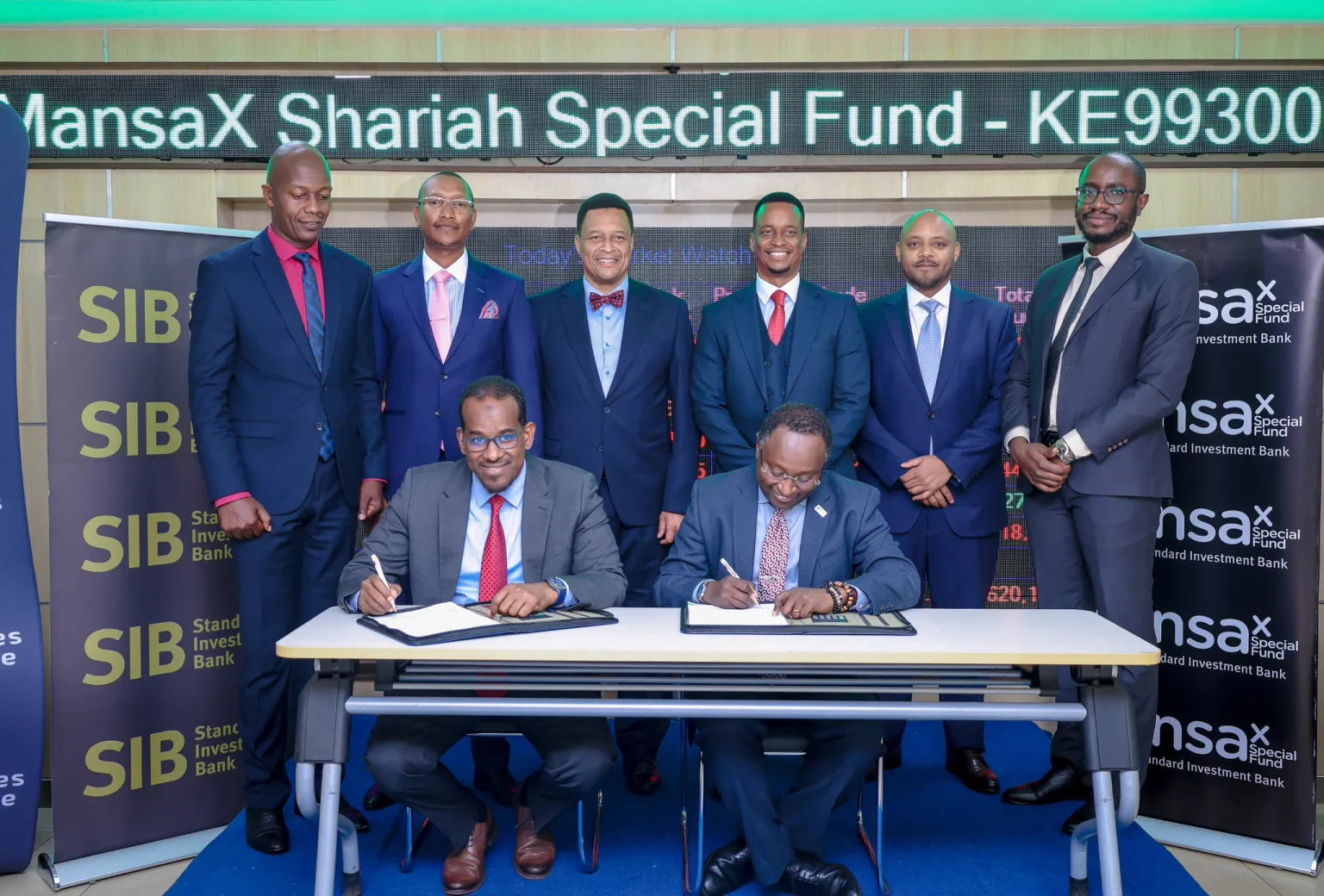
The Nairobi Securities Exchange has assigned International Securities Identification Numbers to two MansaX special funds managed by Standard Investment Bank, giving the products unique codes used across global financial markets.
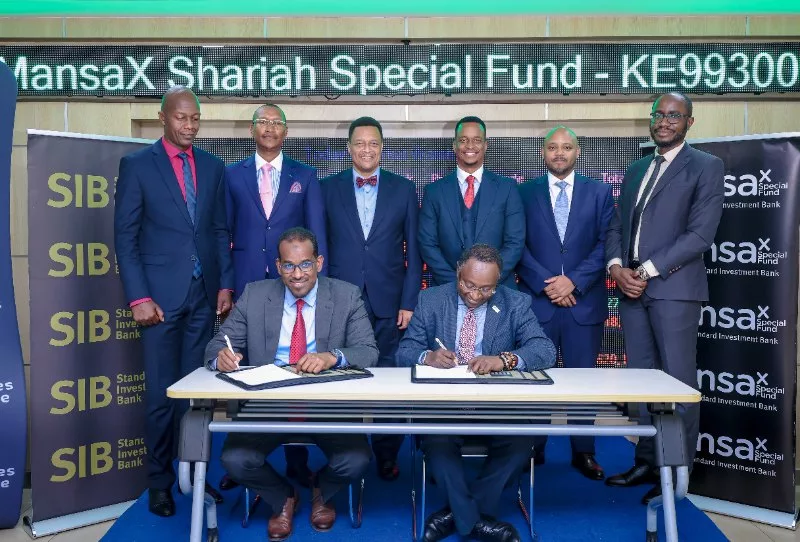
The MansaX Special Fund (KES) received ISIN KE9930009213, while the MansaX Shariah Special Fund (KES) was issued KE9930009437. The codes were assigned at a ceremony held at the NSE trading floor on 13 October 2026.
What the ISINs Do
An ISIN is a 12-character alphanumeric code that uniquely identifies a security or fund for settlement, custody and reporting purposes. Custodians, banks, asset managers and institutional investors use the codes to identify, hold, reconcile and report positions without relying on local names or account numbers.
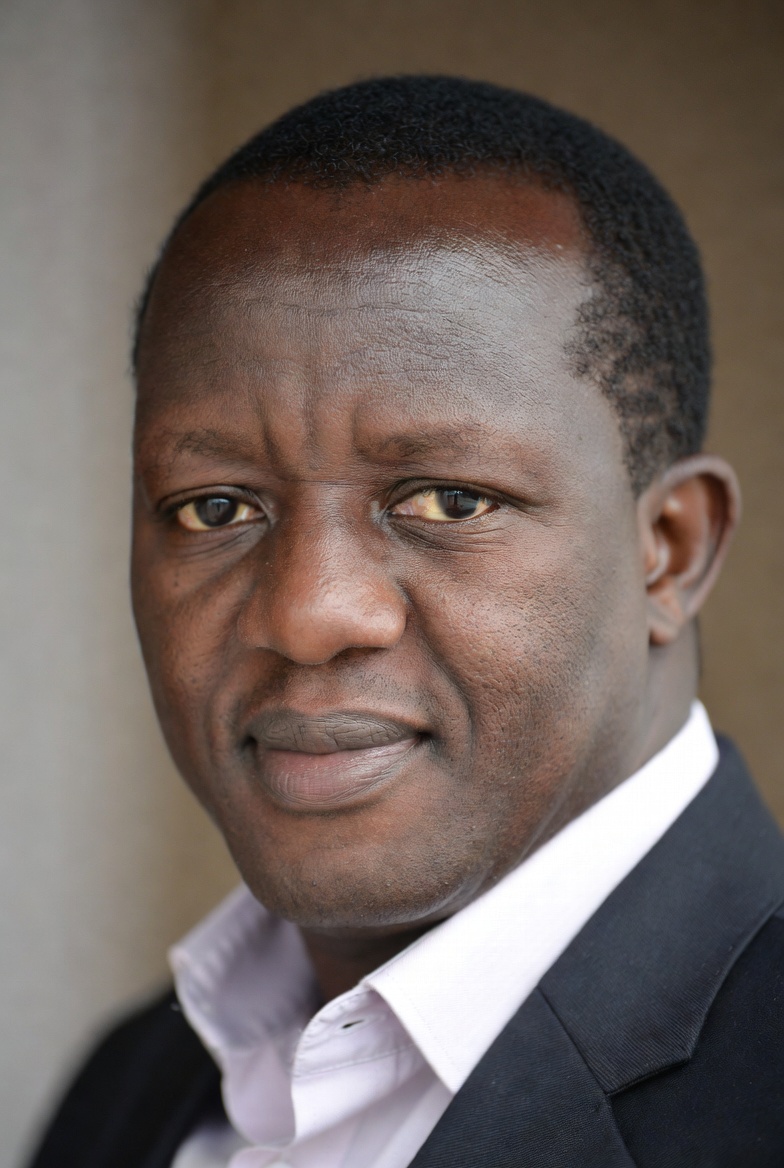
NSE Chief Executive Frank Mwiti said the assignment enhances the funds’ visibility within the international financial ecosystem and facilitates accurate identification by market participants. Standard Investment Bank’s Nahashon Mungai, Executive Director for Global Markets and portfolio manager of the Standard Investment Trust Funds, said the identifiers would help connect the products more efficiently to global infrastructure.
The NSE has stressed that an ISIN is an administrative tracking tool only. It does not constitute a listing of the funds on the exchange, nor does it amount to an approval or endorsement by the NSE or the Capital Markets Authority. Investors cannot buy or sell the funds through a standard stockbroker account; transactions continue to be handled directly with Standard Investment Bank.
MansaX’s Position in the Market
MansaX operates as a special collective investment scheme under the Standard Investment Trust Funds umbrella. The funds use a multi-asset strategy that can include equities, fixed income, currencies, commodities and derivatives across local and global markets. They are available in both Kenyan shilling and US dollar versions, with separate Shariah-compliant options.
By the end of June 2026, Standard Investment Trust Funds had reached approximately KSh 188 billion in assets under management, making it the largest collective investment scheme in Kenya at that point and accounting for roughly one-fifth of the overall CIS market. The conventional KES fund held the largest share within the special funds category.
The funds have a minimum initial investment of KSh 250,000 (or the dollar equivalent) and a six-month lock-in period. Returns are subject to a financial services charge and a performance fee above a hurdle rate. The Kenya Revenue Authority has previously treated returns from the MansaX special funds as tax-exempt.
Why the Identifiers Matter for Institutions
Standard Investment Bank has said it is seeking to broaden its investor base beyond individual clients to include pension funds, corporate treasuries, family offices and international investors. The ISINs make it easier for global custodians and platforms to recognise and process the funds, which can reduce operational friction when institutions consider allocations.
Mungai noted that aligning local investment infrastructure with international standards can strengthen cross-border connectivity and help position Kenya within the global investment landscape. The codes also allow the funds to appear more readily on terminals and systems used by institutional market participants.
The Shariah-compliant fund, which invests only in assets that meet Islamic finance principles, has been growing alongside the conventional products. Its separate ISIN gives institutions that require Shariah compliance a distinct, globally recognised identifier.
Read also:NSE Week in Review: NASI 244.93 as Dangote GDR Minimum Falls to KSh 535
The issuance of the two codes is a technical step rather than a change in the funds’ investment strategy or regulatory status. For retail investors, the practical process of opening an account, depositing funds and withdrawing remains the same. For institutional investors and their service providers, the identifiers remove one layer of administrative complexity when dealing with a Kenyan-domiciled special fund.
Whether the new codes lead to meaningful new inflows will depend on how institutions evaluate the funds’ strategy, track record, fees and risk profile once they can identify them cleanly in global systems. The NSE and SIB have framed the development as infrastructure that supports greater participation in Kenya’s capital markets rather than an endorsement of any particular product.
Sources:
- Business Now – NSE assigns global securities identifiers to SIB’s MansaX funds (13 October 2026)
- The Star – MansaX funds receive international securities identification numbers from NSE (13 October 2026)
- Digital Banking News – Standard Investment Bank Secures ISIN Codes from the NSE for its MansaX Funds (13 October 2026)
- Citizen Digital – MansaX receives International Securities Identification Number from NSE (13 October 2026)
- NSE PLC official statement on ISIN assignment, 13 October 2026
- Standard Investment Bank / MansaX fund documentation and prior AUM disclosures
An ISIN is an identification tool only and does not constitute a listing, approval or endorsement of the funds by the NSE or the Capital Markets Authority. This article is for information only and is not investment advice. Past performance does not guarantee future returns.