











Key takeaway: KSh 1,000 a day is possible for many Kenyans through street food, small retail, services or digital gigs, but it is not automatic. Earnings depend on location, capital, consistency, demand and costs. Use the ideas below as options to test, not guaranteed income.
- How to Use This Guide
- Examples at a Glance: Capital, Skills and Cash Flow
- Group A: Fast Retail and Street Food (Low Capital)
- 1. Boiled eggs with kachumbari and smokies
- 2. Mitumba “camera” clothes
- 3. Fresh fruit salad and juice
- 4. Charcoal or LPG-related delivery
- 5. Cereals and dry foods retail
- Group B: Digital and Online Gigs (Low or Zero Capital)
- 6. Article and content writing
- 7. Audio transcription
- 8. Social media management for local SMEs
- 9. Online tutoring (CBE and exam support)
- 10. Affiliate marketing on TikTok or Instagram
- Group C: Services and Labour
- 11. Boda boda or taxi (Bolt, Uber or stage)
- 12. Mobile car wash
- 13. Residential cleaning and laundry (mama fua)
- 14. Errands and local delivery
- 15. Small event equipment hire
- Example Math: Eggs and Smokies
- What Usually Stops People From Hitting KSh 1,000
- Permits and a Simple Start Plan
- Frequently Asked Questions
- Bottom Line
- Sources
KSh 1,000 earned every day would amount to about KSh 30,000 over a 30-day month, before expenses. For many people that covers rent contribution, food, fare or a small savings pot. For others it is seed capital for a bigger hustle.
This guide walks through 15 practical options grouped by capital and skill. The numbers are for illustration, using prices you will often hear in Kenyan markets. They are not a promise. Location, competition, county rules, wastage and your own discipline decide whether you clear KSh 1,000 or go home with less.
How to Use This Guide
Pick ideas that fit where you live, what you can afford, and what you can actually deliver. A good day in Githurai is not the same as a good day in Nyali. Write down your costs. Count profit, not just sales.
Important: Food and street trade may need county permits, health clearance or a designated trading spot. Digital and freelance income may have tax obligations depending on the nature and level of your income. Check current KRA requirements or get professional tax advice where necessary. Confirm your county rules before you put money into stock.
Examples at a Glance: Capital, Skills and Cash Flow
Mobile: Swipe left / right to see all columns → ←
| Example | Start-up feel | What you mainly need | When cash comes |
|---|---|---|---|
| Eggs & smokies | Low (often a few thousand) | Busy spot, hygiene, time | Same-day cash |
| Mitumba / small retail | Low to medium | Good stock, right market | Daily if stock moves |
| Mobile car wash / cleaning | Very low tools cost | Labour, trust, estates | Same-day cash |
| Writing / tutoring / social media | Phone or laptop + data | Skill, clients, consistency | Weekly or monthly |
| Boda / taxi | High if buying; lease options exist | Bike/car, fuel, papers | Daily after costs |
This table shows examples only. All 15 ideas are covered in full below.
Group A: Fast Retail and Street Food (Low Capital)
1. Boiled eggs with kachumbari and smokies
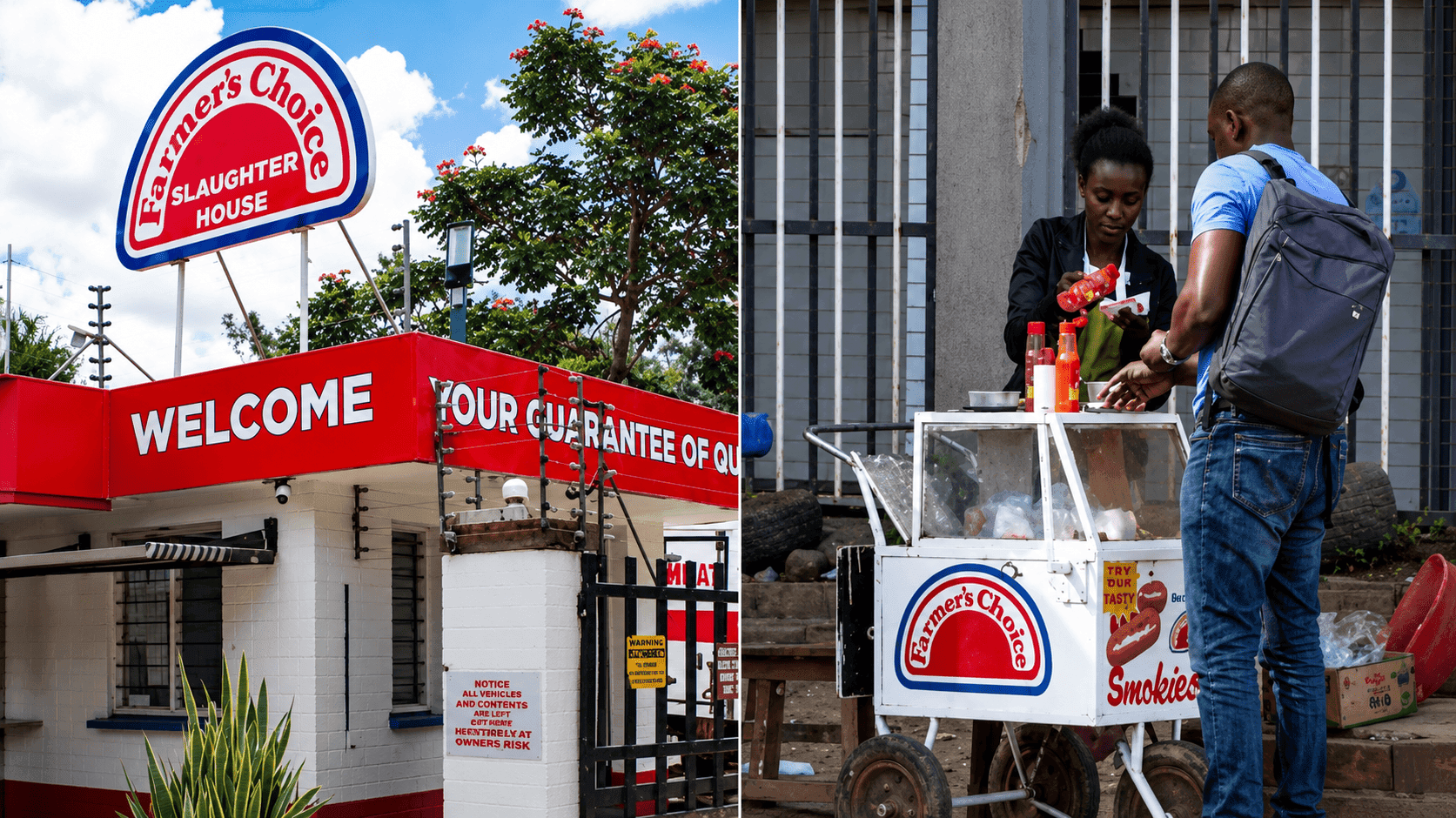
Still one of the most common hustles near stages, construction sites, campuses and estate junctions.
For illustration, suppose an egg with kachumbari sells for KSh 30 and a smokie for KSh 40. Actual prices vary by location and vendor.
On a busy day, a mix of eggs and smokies can get you to about KSh 1,000 in sales. Profit only comes after eggs, smokies, tomatoes, onions, charcoal or gas, packaging, fare and any county fees. Know your cost per piece before you celebrate the day’s takings.
Watch out for: hygiene, medical certificates where your county requires them, spoilage, and too many sellers on the same corner. Clean water and clean hands are not optional if you want repeat customers.
2. Mitumba “camera” clothes
Pick fast movers from Gikomba, Toi or your local wholesale kids’ clothes, blouses, light office wear and sell in the estate or on WhatsApp status.
A few solid pieces with a clean markup can push you toward KSh 1,000 profit on a good day. Dead stock is what kills this business. Start small and specialise.
3. Fresh fruit salad and juice
A clean cart or table near offices, hospitals or stage exits can work. Source fruit from Marikiti, Muthurwa or your nearest wholesale when prices are friendly.
If bowls go for around KSh 50 where you are, twenty bowls is about KSh 1,000 in sales before fruit cost, waste and transport. Keep the place neat. People notice dirt quickly.
4. Charcoal or LPG-related delivery
Charcoal retail or compliant LPG-related delivery can be considered where you meet the applicable licensing, storage, transport and safety requirements. LPG should only be handled and transported in accordance with applicable regulations.
Many homes still need charcoal vibaba or gas refills. Margins depend on bulk price, distance and how many trips you finish. Do not cut corners on safety.
5. Cereals and dry foods retail
Beans, ndengu, rice, maize and related dry goods sold by the gorogoro or kilo in busy estates. Buy in bulk when prices make sense; sell in retail packs.
Daily cash is possible, but money can sit in stock. Watch moisture, weevils and price swings after harvest.
Group B: Digital and Online Gigs (Low or Zero Capital)
6. Article and content writing
If your English is clean, you can sell blog posts, website copy or product descriptions to local businesses or overseas clients.
Platforms such as Upwork allow freelancers to find clients for writing, design, marketing and other services. Upwork currently charges freelancers a service fee of 0% to 15%, depending on the contract, so calculate your take-home income rather than looking only at the amount billed to the client. Minimum rates on the platform have also included figures such as $3 per hour for hourly contracts and $5 for fixed-price projects — always confirm the live rules on Upwork before you bid.
Local gigs may pay a few hundred shillings per short piece; better clients pay more. KSh 1,000 a day usually comes after you have work and speed, not on day one.
7. Audio transcription
Listen to recordings and type them into text. People use platforms such as GoTranscript, TranscribeMe or Rev. Pay depends on audio quality and how fast and accurately you type.
You need quiet space, decent headphones and patience. Treat platform rates as moving numbers, not a fixed Kenyan daily wage.
8. Social media management for local SMEs
Salons, boutiques, car yards and hotels often need someone to post and reply to DMs. Three clients at about KSh 10,000 a month each averages near KSh 1,000 a day across the month if you deliver and keep them.
Show sample posts first. Consistency beats big talk.
9. Online tutoring (CBE and exam support)
Help primary, Junior or Senior school learners on Zoom, Google Meet or WhatsApp. If you charge around KSh 500 an hour, two solid paid hours can reach KSh 1,000 when parents actually book and pay.
Know your subject, show up on time, and parents will send you more kids.
10. Affiliate marketing on TikTok or Instagram
Promote products with tracking links for Jumia or smaller Instagram shops and earn commission when people buy. A small engaged following can work. A big empty one usually does not.
Some days will pay nothing while you build the habit. Plan for that.
Group C: Services and Labour
11. Boda boda or taxi (Bolt, Uber or stage)
If you own or lease a bike or car, busy routes can bring daily cash. What matters is money left after fuel, maintenance, app fees, insurance and any loan or lease.
Good days and dry days both come. Papers and safety are not optional.
12. Mobile car wash
Bucket, microfibre cloths, shampoo and access to an estate parking can be enough to start. If a basic wash is about KSh 300 in your area, four cars is about KSh 1,200 in revenue before soap, water and transport.
Get permission where needed. Do a clean job and people call you back.
13. Residential cleaning and laundry (mama fua)
Cleaning and laundry charges vary substantially by location, house size, workload and whether transport or cleaning supplies are included. Set your price after checking what comparable providers charge in your area and accounting for your time and expenses.
In many middle-class estates the work is steady if you are reliable. Trust opens more doors than flyers alone.
14. Errands and local delivery
Document runs, NTSA or KRA queues, market shopping and office drops for busy people. Charge per trip or per half-day.
You need a phone, good directions and a name for finishing the job. Start with people who already know you.
15. Small event equipment hire
A few plastic chairs, tables or a small PA for birthdays, chamas and estate meetings can earn, especially on weekends. This often pays weekly rather than every single day unless the gear stays busy.
Factor storage, damage and transport. A broken chair without a deposit eats your margin.
Example Math: Eggs and Smokies
For illustration only. Suppose an egg with kachumbari is KSh 30 and a smokie is KSh 40. Actual prices vary by location and vendor.
Example gross sales (not profit): 20 eggs (KSh 600) + 10 smokies (KSh 400) = KSh 1,000 sales. After stock, fuel and transport, profit is lower. Count every cost before you say the day worked.
What Usually Stops People From Hitting KSh 1,000
- Standing in a dead location
- Underpricing while overspending on stock
- Ignoring permits or food hygiene
- Mixing personal M-Pesa with business cash
- No record of daily sales and costs
- Expecting Upwork or Fiverr to pay before skills and reviews exist
- Confusing high sales with high profit
Permits and a Simple Start Plan
County rules differ. In Nairobi, many traders use the Unified Business Permit route through county e-services. Food vendors may need medical examination and hygiene standards. Other counties use Single Business Permits or designated hawker zones. Ask at your county revenue office or check the portal before you scale.
Nairobi has also pushed food-safety guidance for street-food vendors, covering safe sourcing, preparation and sale. Take hygiene seriously even if enforcement feels uneven where you are.
Simple plan:
- Choose one idea that fits your money and your area
- Write down all costs for seven days
- Set a sales target and a minimum profit target
- Test for two weeks before buying more stock or gear
- Reinvest only what the numbers support
Related:How to Start a Mitumba Business in Kenya in 2026 with KSh 5,000–10,000
Frequently Asked Questions
Is it realistic to make KSh 1,000 a day in Kenya?
Yes for many people in busy spots with the right offer and discipline. It is not guaranteed every day or for every idea.
What is the cheapest way to start?
Often services (cleaning, errands, car wash) or digital work if you already have a phone. Street food needs more money for stock.
How much do eggs and smokies sell for?
Prices differ by town and seller. For illustration only, some vendors sell an egg with kachumbari around KSh 30 and a smokie around KSh 40. Check your local stage or estate first.
Do I need a business permit?
Many counties require a permit or hawker authorisation for public trading. Food businesses often need extra health compliance. Confirm where you operate.
Can freelancing really pay KSh 1,000 daily?
It can after you have clients and speed. New freelancers often earn less until the portfolio and reviews build. Remember platform fees on take-home pay.
What is the safest first step?
Start with the lowest-capital option you can do well, track profit for two weeks, then expand.
Is boda or taxi money all profit?
No. Fuel, maintenance, licences, insurance and loan or lease payments come first. Work with net, not gross.
Bottom Line
There is no single best way to make KSh 1,000 a day in Kenya. Street food and estate services pay fast when the location is busy. Digital work pays when skills and clients are in place. Retail works when stock turns.
Treat KSh 1,000 as a target against real costs, not a slogan. Fix location, price, hygiene and records first. Scale only what already works on paper and in your M-Pesa.
Sources
- County business permit guidance (e.g. Nairobi Unified Business Permit / county revenue portals)
- Business.co.ke – Nairobi business permit guide
- Kenya News Agency – street food safety guidance
- Upwork – freelancer service fees and contract minimums (confirm live terms on the platform)
- Kenya Revenue Authority (KRA) – tax obligations for income earners
This article is for general information only. It is not financial, tax or legal advice. Earnings are not guaranteed. Confirm permits, food safety rules and tax obligations for your county and activity before you start.