










The Kenya Revenue Authority (KRA) seized 52.5 metric tonnes of smuggled sugar in Marsabit town during an intelligence-led midnight operation on 5 November 2026. The raid targeted sugar that had entered from Somalia and was being offloaded into a store in the town, according to details reported by the Daily Nation.
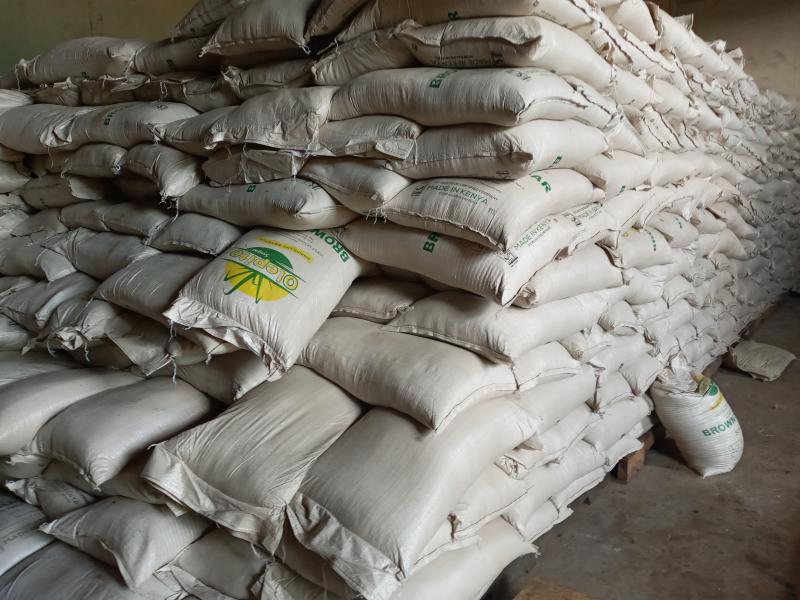
KRA Enforcement Chief Mohamed M’maka said the North Central Region Business Intelligence (NCR-BID) field team received intelligence on 4 November about two lorries carrying sugar from Somalia destined for Marsabit. Officers tracked the vehicles and moved in at around 3:20 a.m. on 5 November while the consignment was being unloaded.
The two lorries were found with an estimated 2,100 bags of sugar, each weighing 25 kilograms. The authority has not released a final market or tax value for this specific seizure, but similar operations have highlighted significant revenue exposure.
Part of a Wider Crackdown
The Marsabit operation follows a series of recent interceptions of uncustomed sugar. In early October 2026, KRA’s North Rift Region Investigation and Enforcement Team seized approximately 46 tonnes of sugar in Lodwar, Turkana County. That consignment, linked to Uganda via the Nadapal corridor, carried an estimated tax implication of about Sh9.73 million.
Additional smaller seizures were reported in Kakamega County around the same period. Together, the operations form part of intensified efforts to disrupt cross-border smuggling networks that use porous northern and western routes.
Tax Rules and Penalties
Under the Finance Act 2026, imported sugar attracts excise duty of Sh40 per kilogram. Uncustomed or smuggled sugar faces additional punitive charges of Sh460 per kilogram or 100% of the value, whichever is higher, plus possible forfeiture of the goods and vehicles used in the offence.
These rates increase the cost of non-compliance and are intended to protect both government revenue and legitimate importers and distributors who pay the full duties. Smuggled sugar undercuts formal market prices and can pose quality risks because it bypasses Kenya Bureau of Standards checks.
Implications for Trade and Revenue
Northern Kenya’s long and sparsely policed borders with Somalia, Ethiopia and South Sudan make large-scale smuggling difficult to eliminate completely. Sugar remains one of the most frequently intercepted commodities because of high domestic demand and price differences with neighbouring markets.
For the KRA, repeated intelligence-led seizures demonstrate improved use of tip-offs and surveillance. For local traders and consumers in Marsabit and surrounding counties, the operations reduce the volume of untaxed product entering informal markets, though sustained pressure on known routes will be needed to change the economics of smuggling.
Read also:Kenya Sugar Factories to Generate Electricity and Ethanol
The authority has indicated that investigations into the network behind the Marsabit consignment are continuing. Further details on arrests or the final disposal of the seized sugar are expected as the case progresses.