







Kenya sugar factories are set to become dual-output energy hubs, generating electricity and ethanol alongside sugar. Agriculture Cabinet Secretary Mutahi Kagwe announced the plan during a visit to West Valley Sugar Company, saying the sector must extract maximum value from every part of the sugarcane.
The push is driven by a clear goal: cut Kenya’s fuel import bill, reduce reliance on imported petroleum, and feed surplus power into the national grid. Kagwe said the government will provide all the incentives necessary to make this transition happen.

How Sugar Factories Will Generate Electricity
The electricity plan centres on bagasse cogeneration, converting the fibrous residue left after crushing sugarcane into usable power. West Valley Sugar Company in the Kericho and Kakamega region is already doing this, generating 5 megawatts using just 30% of its available bagasse.
“West Valley is producing five megawatts of electricity with only a fraction of its bagasse. If the factory operated at full capacity, it could generate up to 15 megawatts,” Kagwe said, according to Citizen Digital. He called it a fantastic opportunity not just for Kenya but for the wider region.
Kagwe Calls on Energy CS to Fast-Track Grid Access
Kagwe made a direct appeal to Energy Cabinet Secretary Opiyo Wandayi to fast-track frameworks allowing sugar factories to sell surplus electricity back to the national grid. He described the agriculture and energy partnership as a ready solution to Kenya’s imported energy dependence.
The move would open new revenue streams for both millers and farmers while adding renewable baseload capacity to a grid that has historically leaned on hydropower and geothermal. With bagasse available year-round at crushing season, cogeneration offers a consistent and largely untapped supply.
Ethanol Blending to Cut the Fuel Import Bill
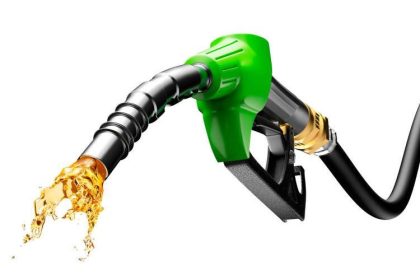
On the ethanol front, Kagwe said Kenya must urgently diversify its fuel sources through an ethanol-blending programme to insulate the country from global oil price shocks. He pointed directly to Middle East instability as a reminder of how exposed Kenya remains when it imports nearly all its refined petroleum.
“If we blend ethanol with fuel, we will save foreign exchange and significantly reduce our dependence on imported petroleum products,” he said. West Valley Sugar Company already runs ethanol production facilities with a daily capacity of roughly 20,000 litres, offering a ready model for other factories to follow.
Sugar Production Already Up 22% Under Reforms
The energy push builds on reforms already showing results. The government’s decision to lease state-owned sugar factories to private operators has driven sugar production up by approximately 22% over the past year, as reported by Kenya News Agency.
Kagwe credited the combination of private sector efficiency and government support through subsidized fertilizer and farmer programmes for the production gains. He also assured sugar sector workers that all outstanding salary arrears inherited from previously distressed state mills would be cleared as part of the ongoing reforms.
What This Means for Kenya’s Energy Future
If rolled out across Kenya’s sugar belt, bagasse cogeneration could add meaningful megawatts to the national grid from a source that already exists as a byproduct of sugar processing. Paired with domestic ethanol blending, the plan could quietly reduce both the electricity import burden and the fuel import bill at the same time.
The next step will be watching whether the Ministry of Energy moves quickly enough on grid-access frameworks to give millers the certainty they need to invest. Without a guaranteed buyer for the electricity, the business case for cogeneration upgrades remains difficult for most factories to justify.