







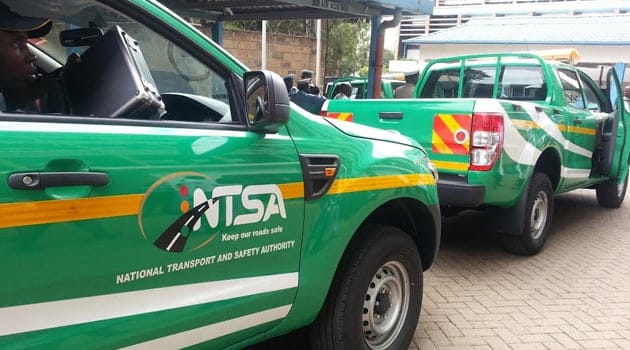
The National Transport and Safety Authority has imposed a 24 month freeze on new Public Service Vehicle operator licences, effective June 19, 2026. The moratorium covers matatu saccos and companies nationwide, and comes as a direct response to a growing road safety crisis that NTSA says has been worsened by rogue operators and weak compliance enforcement.
For anyone planning to enter the PSV business in Kenya, this freeze changes everything in the near term. No new operator licence applications will be accepted or processed until the moratorium lifts, putting a hard stop on new entrants for the next two years.
What the Freeze Actually Covers
The moratorium has several distinct components, each targeting a different part of how PSV operations expand and change in Kenya. Understanding each one matters for saccos and companies trying to plan around the new rules.
New operator licensing is frozen for 24 months. Route expansions and the creation of new routes are suspended for 12 months, unless new roads are officially commissioned during that period. Any reconfiguration of existing routes, including changes to designated pick-up and drop-off points, is also banned for 12 months.
What This Means If You Already Operate
Existing licensed operators are not shut down by this directive. Daily business continues as normal for saccos and companies already holding valid PSV licences.
What changes is the level of scrutiny. NTSA has signalled strict enforcement and ongoing compliance monitoring during the freeze period, meaning operators should expect more frequent inspections and less tolerance for infractions that may have previously gone unaddressed.
Why NTSA Made This Call
NTSA Director General Nashon Kondiwa pointed to a surge in non-compliance and a growing number of illegal operators as the core drivers behind the freeze. Road safety risks tied to unregulated and poorly monitored PSV operations have reached a level the authority considers a genuine crisis.
The extended freeze period gives NTSA room to do something it has struggled to do while processing a constant stream of new applications: conduct a proper nationwide audit. Coordinating with county governments and strengthening oversight systems takes time, and the regulator is using this pause to build that capacity rather than continuing business as usual.
What Happens to Pending Applications
Anyone who had a PSV operator licence application in progress before June 19, 2026 should confirm directly with NTSA whether their application falls under the freeze or was processed before the cutoff. Given the scale of the directive, expect limited flexibility on this point.
Also read:Kenya Business News: World Bank Snub, Fuel Crisis and JKIA Row
For prospective operators who had been planning to enter the matatu business, the practical advice is to use this period productively. Get vehicles, documentation, and compliance systems fully in order so that when the freeze lifts, the application process moves as smoothly as possible.
The Bigger Picture on Road Safety
Kenya’s PSV sector has faced persistent safety concerns for years, from reckless driving and vehicle roadworthiness issues to operators running routes without proper licensing. This freeze represents one of the most decisive regulatory interventions NTSA has taken in recent memory.
Whether the 24 month pause translates into measurably safer roads will depend heavily on how effectively NTSA uses the time. A nationwide audit and stronger county coordination sound promising on paper, but the real test will be whether enforcement actually tightens on the ground once the freeze period ends and new applications start flowing again.