








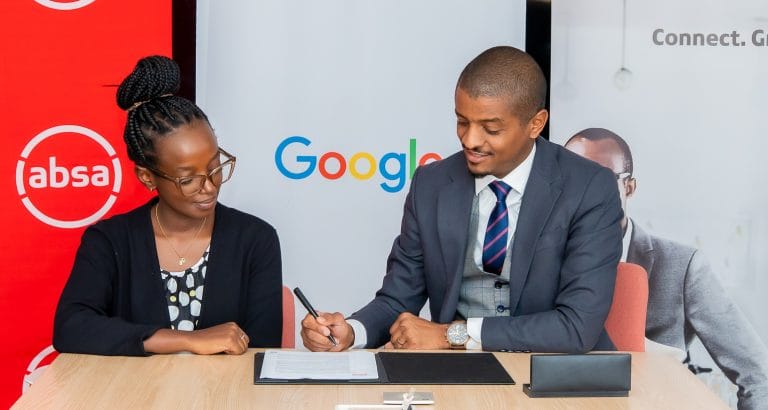
Absa Bank Kenya and Google Hustle Academy have launched a 12-month partnership to provide free digital and financial skills training to 3,000 small and medium-sized businesses across Kenya. The programme targets the structural gaps that hold most Kenyan SMEs back from growing: low digital adoption, weak financial management practices, and limited access to affordable credit.
Three training cohorts have already been completed, with more than 600 businesses already benefiting. The remaining cohorts will run through the rest of the partnership period, with the training delivered entirely through free virtual boot camps accessible to entrepreneurs anywhere in the country.
What the Training Actually Covers
The curriculum is built around three core areas that small business owners consistently struggle with. AI tools and automation come first, giving entrepreneurs practical ways to streamline operations and improve productivity without needing a large team or technical background.
Digital marketing is the second focus, covering how to increase online visibility and use Google’s own products to reach new customers beyond the immediate physical location of the business. The third area is financial management, including cash flow tracking, budgeting, business formalisation, and practical strategies for scaling operations sustainably.
How Google and Absa Divide the Work
Google brings the technical training curriculum, drawing on its Hustle Academy framework that has been used across multiple African markets to build digital skills among entrepreneurs. Absa Bank Kenya builds the financial layer on top of that foundation, providing mentorship, market linkages, and direct access to banking solutions for participants who complete the training.
That division of labour is what makes this partnership more than a typical training programme. Learning digital skills is only useful if there is a pathway to the capital needed to act on them. Absa’s involvement creates that pathway directly.
What Participants Get From Absa
Entrepreneurs who go through the programme gain access to structured credit facilities and SME loan products tailored to small business needs. They also get digital financial tools for tracking business revenues and expenditures, mentorship from Absa personnel, and invitations to networking events hosted through the #AbsaBusinessClub.
For lenders, the challenge with SMEs has always been risk assessment. Informal businesses without proper bookkeeping or formalised structures are hard to evaluate for credit. By putting participants through rigorous financial management training first, Absa is essentially de-risking businesses before they apply for loans, making it easier to extend credit responsibly to entrepreneurs who previously would not have qualified.
Why SMEs Need This Kind of Support
Kenya’s SME sector contributes between 33 and 40 percent of national GDP and employs millions of citizens. Yet access to affordable credit and digital infrastructure remains out of reach for most small businesses, not because the businesses are not viable, but because they lack the formal systems that lenders use to assess creditworthiness.
Read also:South African Firms Bet Sh413 Billion on Kenya Blue-Chip Acquisitions
A programme that builds both digital capability and financial discipline simultaneously addresses the two things that matter most for an SME trying to grow and attract formal financing. That combination is what distinguishes this initiative from standalone training programmes that improve skills without opening any doors to capital.
How to Apply
The virtual training sessions are free and open to any eligible small business in Kenya. You do not need to be an existing Absa customer to participate.
To apply or get information about upcoming cohorts, send an email with the subject line “Hustle” to Businessclub.ke@absa.africa. Given that three cohorts have already concluded and 600 businesses have been through the programme, interested entrepreneurs should apply early to secure a place in an upcoming session.