











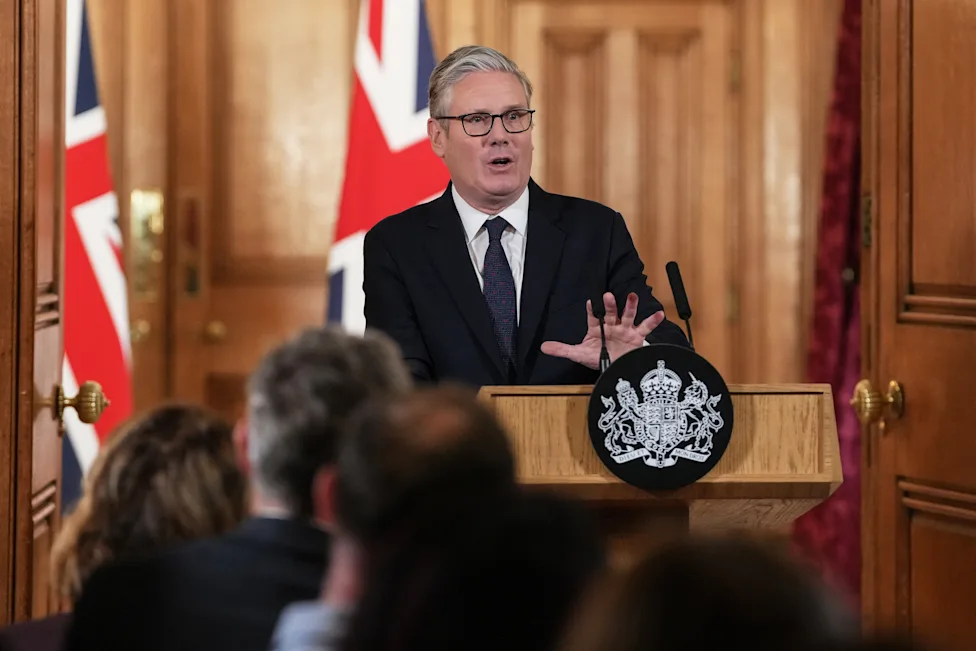
The United Kingdom has announced a ban on social media platforms for children under 16, following Australia’s lead as the second country in the world to take such a step. British Prime Minister Keir Starmer made the announcement on Monday, June 15, 2026, framing it as a direct challenge to tech companies that have failed to protect young users on their own. The move is drawing global attention, including in Kenya where similar concerns about children and social media have been growing louder.
Kenya’s Interior CS Murkomen and other senior government officials have previously raised concerns about the role of smartphones and social media in moral decay among Kenyan children and youth. The UK’s decisive action puts pressure on governments worldwide, including Nairobi, to consider whether voluntary industry measures are enough or whether legislation is the only real answer.
What the UK Ban Actually Covers
The ban blocks social media platforms from offering their services to anyone under 16 in the UK. It is modelled directly on Australia’s ban, which became the first of its kind when it came into force in December 2024.
Platforms covered include Meta’s Facebook and Instagram, Google’s YouTube, X formerly known as Twitter, TikTok, and Snapchat. WhatsApp and Signal are excluded from the ban, as they are classified as messaging services rather than social media platforms.
The UK is also planning to block harmful functions including livestreaming and stranger communication for under 16s across gaming services and social platforms. The ban on livestreaming will specifically prevent children under 16 from broadcasting themselves live across any covered platform.
What Starmer Said
“This is a line in the sand,” said Prime Minister Starmer. “Tech giants had their chance and failed, but we’re stepping in to protect children, back parents and set a new normal for future generations.”
The language is deliberate and pointed. The government is not framing this as a suggestion or a guideline. It is a hard stop, and it puts the failure squarely on the platforms that had years to self-regulate and chose not to.
Tech Companies Are Pushing Back
Not everyone in the industry is welcoming the move. A YouTube spokesperson criticised the ban, describing the platform as a vital resource for young people, educators, and parents, and warning that blanket bans push children toward anonymous and less safe services instead.
A Snapchat spokesperson echoed that concern, noting that most activity on the platform involves private messaging between friends and family. The company questioned whether a full ban achieves its intended goal or simply redirects young users to less regulated environments. Meta, X, and TikTok had not responded to requests for comment at the time of announcement.
Canada Is Moving in the Same Direction
The UK announcement comes just days after Canada introduced the Safe Social Media Act in Parliament. The proposed legislation would require all social media users in Canada to verify they are at least 16 before accessing platforms, and would create a new government regulator to oversee compliance.
The pattern is becoming clear. Australia moved first, the UK followed, and Canada is now in motion. Other governments watching closely include those across Africa, where concerns about children’s online safety are rising alongside smartphone penetration.
When Will the UK Ban Take Effect?
Starmer told the BBC he hopes to bring the legislation to Parliament before Christmas 2026. The protections are expected to come into force in Spring 2027, giving platforms time to build age verification systems that meet the new legal requirements.
Read also:Tech News: SpaceX IPO, Gemini Kenya, $10B AI Startup and Apple Siri
Age verification at scale is not a simple technical challenge. How platforms implement it without creating new privacy risks for young users will be one of the most closely watched aspects of the rollout.
The Kenya Angle
Kenya does not yet have legislation restricting minors from social media, but the conversation is happening. Government officials have publicly linked unrestricted smartphone and social media use among young people to concerns about moral decay, exposure to harmful content, and declining academic performance.
The Communications Authority of Kenya has taken steps toward child online safety guidelines, but formal age-based restrictions on social media access remain absent from the regulatory framework. As more countries legislate in this direction, the pressure on Kenya to follow will grow. The question is whether that pressure translates into law before the next generation of Kenyan children grows up entirely online without adequate protection.