


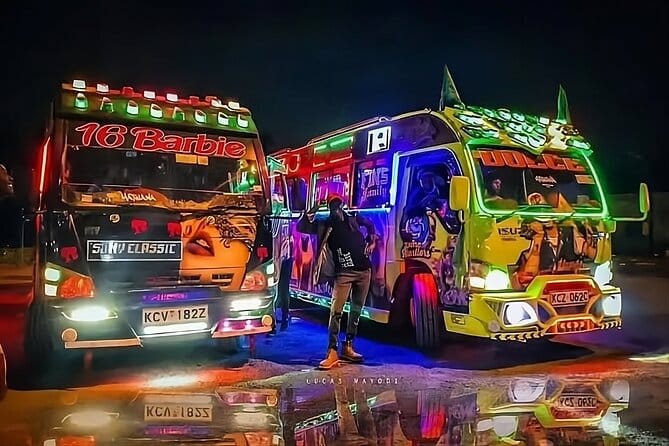
Ask any regular Nairobi commuter which SACCO to trust and you’ll get strong opinions fast. The matatu industry here has changed a lot over the past decade, moving away from the chaotic, driver-owned vehicles of the 2000s toward organized SACCOs (savings and credit cooperatives) that run fleets under shared branding, fixed routes, and increasingly, fixed fares. This guide breaks down the SACCOs commuters consistently rate highest for safety, discipline, and reliability in 2026.
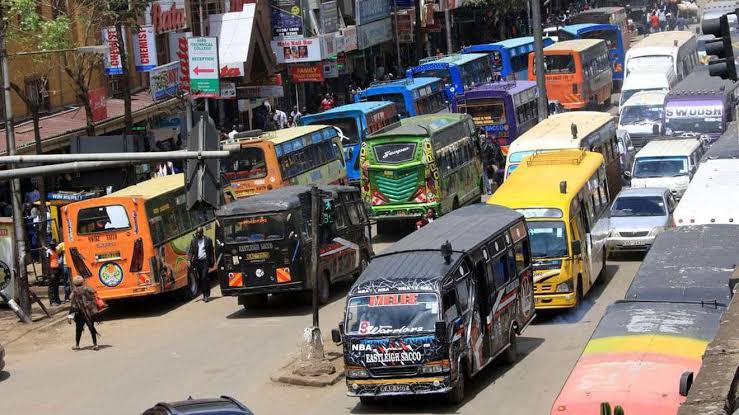
Nairobi’s leading matatu SACCOs, including Super Metro, ROG, and Zuri, have built reputations on strict queue discipline, fixed pricing, and predictable schedules across the city’s busiest commuter corridors.
Whether you’re new to Nairobi or just tired of dealing with unpredictable crews on your daily commute, knowing which SACCO serves your route, and what to expect from it, saves you time and headaches. Here’s what actually distinguishes the top operators.
What Makes a SACCO “Good” in Nairobi
Commuters generally judge SACCOs on a short list of things: whether the crew sticks to the fare board instead of hiking prices during rain or rush hour, whether the driver keeps to the speed limit, whether there’s a proper queue at the stage instead of a scramble, and whether the vehicle itself is roadworthy and clean. SACCOs that consistently deliver on all four tend to build loyal ridership, even when a slightly cheaper option is sitting right next to them at the same stage.
That loyalty matters more than it sounds. In a city where matatu culture has historically leaned toward speed and aggression, a SACCO that enforces discipline internally, fining or suspending crews who break the rules, tends to earn a reputation that spreads by word of mouth faster than any advertising could.
Top Nairobi Matatu SACCOs
1. Super Metro
Super Metro is widely considered the benchmark for discipline in Nairobi’s matatu industry. It runs on the Kikuyu, Juja, Thika, Ngong, and Kitengela corridors, among others, and has built its reputation on a strict no-standing-passengers policy, orderly queuing at its main Maragua Lane stage, and a fleet that’s noticeably better maintained than the industry average. Founded in the early 2010s, the SACCO has grown steadily and now operates a mix of newer buses alongside long-distance coaches on select routes.
Related:Super Metro Sacco — Bus Routes, Booking & Parcel Services Nairobi | Business Listings Kenya
2. River of God (ROG)
ROG runs the Town-Outering-Buruburu route and has carved out a niche as the calm, low-drama option. Conductors are known for being well-mannered rather than pushy, and the soft gospel music playing on board has become something of a signature. It’s a small touch, but for commuters dealing with a stressful day, it’s the kind of detail that builds repeat riders.
3. Zuri Sacco
Zuri serves Roysambu, Mirema, and Kahawa West, making it a go-to for residents along the Thika Road corridor. What sets it apart is predictability: buses tend to run close to their stated schedule, and the vehicles themselves stay noticeably cleaner than average, which matters a lot on a route that sees heavy daily traffic.
4. Makos Sacco
Makos connects Nairobi to Machakos and has built a strong reputation less on the ride experience and more on reliability of customer service and parcel delivery. For anyone sending goods between the two towns, Makos is frequently cited for having essentially zero theft complaints, which is a bigger deal in the parcel business than most people realize.
5. 2NK Sacco
2NK runs the Nyeri, Karatina, and wider Mt. Kenya region route, and it does things differently from most SACCOs on this list. There’s no conductor collecting fares mid-journey. Instead, passengers pay the driver directly before departure. It sounds like a small operational choice, but it cuts down significantly on the chaotic fare disputes that plague other routes, especially during peak hours.
6. North Rift Shuttle
For long-distance travel to Eldoret and Western Kenya, North Rift Shuttle is the name that comes up most. It runs strictly 14-seater shuttles rather than larger buses, which keeps things more orderly and makes the highway pickup arrangements easier to manage. Punctuality is the main selling point here, which matters a lot more on a multi-hour highway route than it does on a 20-minute CBD hop.
7. Kinatwa Sacco
Kinatwa covers the Ukambani routes: Wote, Mwingi, and Kibwezi. It’s known for flat-rate pricing (no haggling, no surprise fare hikes) and secure logistical shipping alongside passenger service. For a regional route that isn’t as heavily trafficked by competing SACCOs, that consistency has made Kinatwa the default choice for a lot of regular travelers.
Routes, Stages, and Fares at a Glance
| SACCO | Main Nairobi Stage | Key Strength | Fare Range |
|---|---|---|---|
| Super Metro | Maragua Lane (near National Archives) | Strict queue discipline, no overspeeding | KSh 50-120 |
| ROG Sacco | Commercial Bus Station / Odeon | Calm ambiance, courteous crew | KSh 60-100 |
| Zuri Sacco | Odeon / Tom Mboya Street | Clean vehicles, reliable on Thika Road | KSh 50-100 |
| 2NK Sacco | Gaborone Road, CBD | Conductorless fare system, newer fleet | KSh 400-600 |
| North Rift Shuttle | Tom Mboya Street, CBD | Punctual 14-seater shuttles | KSh 1,000-1,500 |
Fares above reflect standard off-peak pricing. Expect increases during rush hour, heavy rain, or holiday travel periods, which is standard across the industry and not unique to any single SACCO.
Read also:Top PSV Insurers in Kenya by Market Share 2026
Common Mistakes Commuters Make
A few things trip up first-time riders and even seasoned commuters switching routes. Boarding the wrong stage is the most common one: several SACCOs share similar route names but operate from entirely different terminals, so it pays to confirm the exact stage before walking there. Assuming fares are fixed city-wide is another mistake. Pricing varies by SACCO, time of day, and weather, so what you paid last week isn’t a guarantee for today.
It’s also worth knowing that on conductorless routes like 2NK, you pay before departure, not during the ride. Showing up expecting to pay mid-journey, as is standard on most other SACCOs, can hold up the whole vehicle.
Frequently Asked Questions
Which is the safest matatu SACCO in Nairobi?
Super Metro is most frequently cited by commuters for safety, largely due to its no-standing-passengers policy and enforced speed compliance.
Where do I board Super Metro buses in the CBD?
Super Metro’s main stage is on Maragua Lane, near the National Archives, though specific routes like Ngong depart from Government Lane nearby.
Do all Nairobi SACCOs use conductors?
Most do, but 2NK Sacco operates a conductorless model on its Mt. Kenya region routes, where passengers pay the driver directly before departure.
Are matatu fares fixed across SACCOs?
No. Fares vary by SACCO, route length, and time of day, with most operators increasing prices during peak hours or bad weather.
Nairobi’s matatu industry has moved a long way from its reputation for chaos, and the SACCOs on this list are the clearest evidence of that shift. If discipline and predictability matter most to you, Super Metro remains the standard commuters measure everyone else against. For regional and long-distance travel, reliability and fare transparency, as seen with 2NK, North Rift, and Kinatwa, tend to matter more than in-city comfort features. Routes and stages do shift occasionally as SACCOs expand, so it’s worth checking current stage locations before a first-time trip on any of these.