
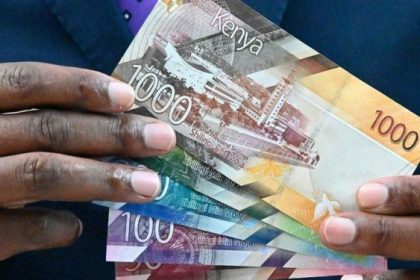



The CBK has floated two reopened papers through its DhowCSD investor portal. The first is a 15-year treasury bond carrying a coupon rate of 12.76 percent, with 8.7 years remaining to maturity. The second is a 25-year paper offering a higher coupon rate of 13.40 percent, with 17.1 years left to run. Both instruments are on sale from May 29 to June 3, 2026, with the auction scheduled for June 8 and settlement on the same day.
Who Can Bid and How
The CBK has set the entry point at KSh 50,000, making the bonds accessible to a relatively broad pool of investors, from retail participants to institutional players. The ceiling per bid sits at KSh 50 million, while competitive bids are capped at KSh 2 million per Central Securities Depository (CSD) account per tenor.
Investors holding government securities can also use them as collateral to access loans from regulated financial institutions, adding a layer of liquidity flexibility for those who need it. One condition worth noting: any pledge that is not cancelled at least five days before the securities mature will automatically settle into the lender’s account. Investors need to track that deadline carefully.
Read also:PayPal Is Freezing Kenyan Accounts and Some Users Are Losing Their Money
For those who need to exit their position early, the CBK will rediscount bonds as a last resort, charging 3 percent above the prevailing market yield or coupon rate, whichever is higher. Rediscount requests are submitted through the DhowCSD portal under the Instructions tab by selecting Create New and then the Rediscount option.
Treasury Bills Tell a Mixed Story
While the bond offer is designed to raise long-term funds, last Thursday’s Treasury Bills auction painted a more complicated picture of investor appetite in the short-term market. Overall, the auction came in undersubscribed at 69.32 percent, with KSh 16.3 billion in bids received against KSh 24 billion on offer. The CBK accepted KSh 16.62 billion.
The breakdown across the three tenors was striking. The 91-day Treasury Bill was the clear standout, attracting KSh 14 billion in bids against only KSh 4 billion offered — a performance rate of 352.34 percent. Investors chasing short-term returns clearly prefer the 91-day paper right now, likely reflecting caution about locking up funds for longer periods in the current environment.
The 182-day bill told the opposite story, pulling in only KSh 1.049 billion out of KSh 10 billion offered an undersubscription rate of just 10.49 percent. The 364-day paper fared slightly better but still fell well short, receiving KSh 1.49 billion against KSh 10 billion on offer, a 14.95 percent subscription rate.
Current Returns on Offer
For investors weighing their options, the current rates across the short-term instruments are as follows. The 91-day Treasury Bill is yielding 8.3884 percent. The 182-day bill offers 8.2500 percent. The 364-day paper comes in at 8.6266 percent, making it the highest-yielding short-term option despite attracting the least interest at the last auction.
The longer-term bonds being offered now carry significantly higher coupon rates, reflecting the premium investors typically demand for committing capital over a decade or more. At 12.76 percent and 13.40 percent respectively, the two papers offer returns that remain attractive relative to other fixed-income options available to Kenyan investors.
The Bigger Picture
The bond issuance comes against the backdrop of a government managing a revenue shortfall and elevated debt servicing obligations heading into the new budget year. With the National Treasury preparing to table the 2026/27 budget, raising KSh 40 billion through the domestic bond market helps reduce pressure on external borrowing while giving the government room to fund ongoing obligations.
How well the bond auction performs on June 8 will offer a useful signal about investor confidence in Kenya’s fiscal management at a critical moment in the budget cycle. Strong uptake would indicate the market remains comfortable with the government’s borrowing trajectory. Weak demand would raise harder questions about the terms needed to attract capital going forward.
Investors interested in participating can access the full prospectus and submit bids through the CBK DhowCSD portal before the June 3 deadline.