






Commercial banks in Kenya charged an average lending rate of 14.34% in August 2026, according to the latest detailed bank-by-bank figures published by the Central Bank of Kenya. The rate eased slightly from 14.39% in July and remains well below the 17.2% levels recorded in late 2024.
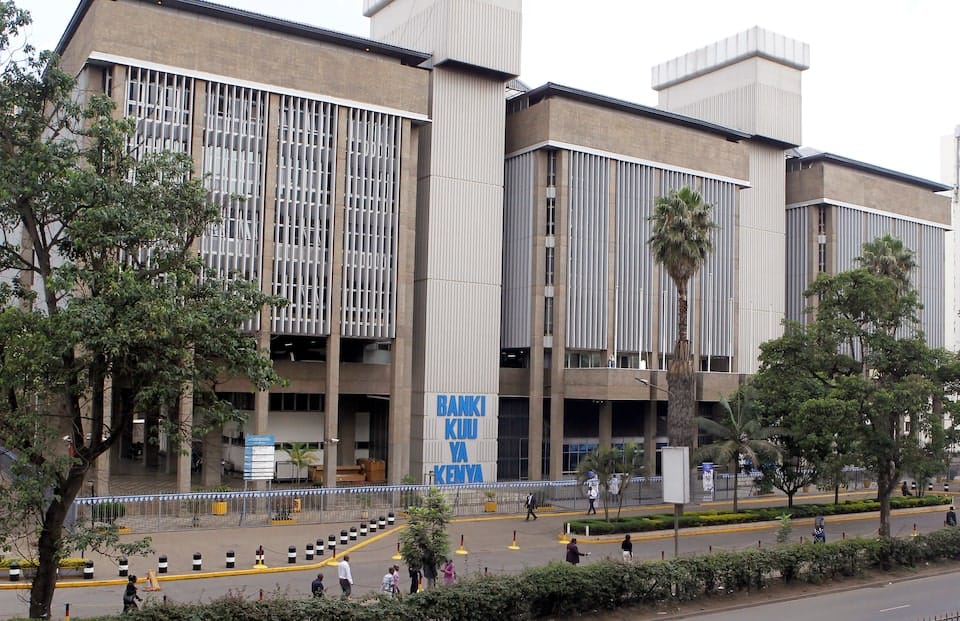
The Central Bank Rate has stayed at 8.75% since February 2026. The Monetary Policy Committee held it unchanged again on 7 October. Banks have passed on only part of the earlier rate cuts, and the difference between the cheapest and most expensive lenders remains large under the risk-based pricing model.
Banks With the Lowest Average Lending Rates
CBK’s August 2026 data shows Citibank N.A. Kenya with the lowest average lending rate at 10.52%. The bank mainly serves corporate clients rather than walk-in retail customers.
| Bank | Average Lending Rate (Aug 2026) |
|---|---|
| Citibank N.A. Kenya | 10.52% |
| Standard Chartered Bank Kenya | 11.48% |
| Stanbic Bank Kenya | 11.93% |
| Habib Bank A.G. Zurich | 12.68% |
| HFC Limited | 13.07% |
Standard Chartered and Stanbic both sit well below the industry average. Habib Bank A.G. Zurich also recorded a rate below the sector mean.
Where the Major Retail Banks Stand
Most Kenyan borrowers and small businesses deal with the large retail banks. Their August averages were closer to the industry figure:
- Absa Bank Kenya: 13.69%
- KCB Bank Kenya: 14.78%
- Equity Bank Kenya: 14.90%
- Co-operative Bank of Kenya: 15.01%
These are averages across each bank’s overall loan book. The rate offered to an individual borrower depends on credit risk, collateral, product type and the premium the bank adds under the risk-based pricing framework.
Separately, KCB is running a fixed-rate mortgage campaign (Pata Kwako / Affordable Housing Mortgage) offering rates from 8.9% on selected home loans through 31 December 2026. That promotional rate applies only to qualifying mortgages and is not the bank’s average lending rate.
Banks Charging the Highest Rates
At the other end of the spectrum, Credit Bank PLC recorded the highest average lending rate in August at 18.69%. Bank of Africa Kenya (17.45%), Access Bank Kenya (17.32%) and SBM Bank Kenya (17.17%) were also well above the industry average.
Smaller banks often face higher funding costs when competing for deposits, which feeds into the rates they charge borrowers.
What the Average Does Not Show
The 14.34% figure is a weighted average. Your personal rate can be several percentage points higher or lower depending on the bank’s assessment of your risk. Processing fees, credit life insurance and other charges also increase the total cost of credit.
Always ask for the full Total Cost of Credit disclosure before signing. Compare offers from at least three banks, and check whether the rate is fixed or variable.
CBK’s key rates page and the October Monetary Policy Committee statement show the average commercial bank lending rate edged up to 14.4% in September.
Read also;Beyond Bank Loans: Funding Options Kenyan Small Businesses Should Know About
Frequently Asked Questions
Which bank has the cheapest loans in Kenya right now?
According to CBK’s August 2026 data, Citibank N.A. Kenya had the lowest average lending rate at 10.52%. Standard Chartered (11.48%) and Stanbic (11.93%) were next. Citibank mainly serves corporate clients.
What is the average bank loan rate in Kenya in 2026?
The average commercial bank lending rate stood at 14.34% in August 2026. It edged to 14.4% in September, according to the Central Bank of Kenya.
Has the Central Bank Rate affected loan rates?
The CBR has been held at 8.75% since February 2026 and was kept unchanged at the 7 October MPC meeting. Average commercial lending rates have declined from around 17.2% in late 2024, but the fall has been gradual and uneven across banks.
Why do some banks charge much higher rates than others?
Banks price loans according to their cost of funds, operating costs and the risk of each borrower under the risk-based credit pricing model. Smaller banks that pay more to attract deposits tend to charge higher lending rates.
The gap between the cheapest and most expensive banks remains wide. Borrowers who shop around and provide strong documentation still have room to negotiate better terms than the headline average suggests.
Sources:
- Central Bank of Kenya – Commercial Banks Weighted Average Rates
- Central Bank of Kenya – Key Rates
- The Kenya Times – CBK Publishes List of Banks Offering Cheapest Loans (August 2026)
- KCB Bank – Affordable Housing Mortgage (Pata Kwako)
- Capital FM – Private-sector credit growth accelerates to 10.6pc in September
This article is for information only and is not financial advice. Lending rates change and the rate you receive depends on your individual circumstances. Confirm current rates directly with the bank and the Central Bank of Kenya.