




The High Court of Kenya has declared the government’s sale of a 15% stake in Safaricom PLC to Vodacom Group null and void. A three-judge bench ruled that the KSh 204.3 billion transaction violated the Constitution and ordered that the 15% shareholding be fully restored to the State.
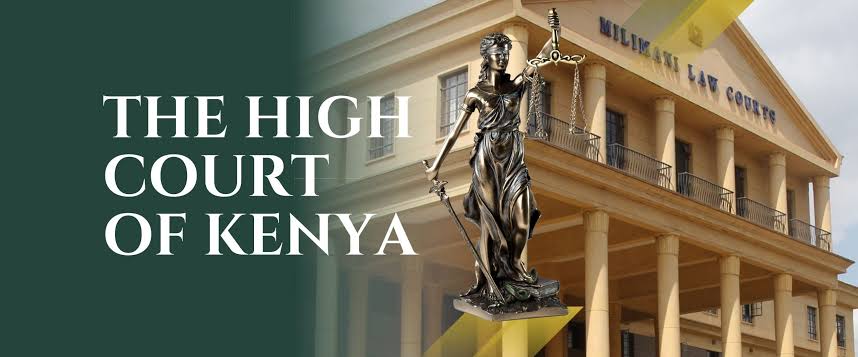
The ruling, delivered on 15 September 2026, is a major blow to the National Treasury’s privatisation programme and reverses one of the largest state asset sales in recent years.
Why the Court Overturned the Deal
The judges found that the process used by the government was fundamentally flawed. Key findings include:
- Lack of public participation – The court held that the government failed to conduct meaningful and adequate public consultations before disposing of a strategic national asset.
- Concealment of material information – Crucial transaction documents and structural details were withheld from both the public and the Cabinet.
- Misrepresentation – The State engaged in “unexplained obscurity” regarding the identity of the buyer and the true structure of the sale, making it impossible for the Cabinet to evaluate the deal objectively.
The court ruled that these failures rendered the entire divestiture unconstitutional and illegal.
Financial Impact and Transaction Reversal
| Metric | Transaction Details | Court Order |
|---|---|---|
| Share Volume | 6,009,814,200 ordinary shares | To be restored to the National Treasury |
| Transaction Value | KSh 204.3 billion (at KSh 34 per share) | Refund mechanism triggered |
| State Ownership | Dropped from 35% to 20% | Restored to 35% |
| Vodacom Ownership | Rose to approximately 55% | Reduced back to previous level (losing majority control) |
The court has ordered the 15% stake returned to the Government of Kenya. Vodacom will no longer be able to fully consolidate Safaricom’s results as majority shareholder.
Background
The government announced the sale in December 2025. After parliamentary approval, the deal faced multiple constitutional petitions. The High Court issued conservatory orders in May 2026. The Court of Appeal lifted those orders on 26 June 2026, allowing the transaction to close on 30 June 2026.
Despite the completion of the sale, the substantive constitutional petition proceeded. On 15 September 2026 the High Court delivered its final judgment, declaring the divestiture null and void and ordering restoration of the shares.
Broader Implications
The ruling has significant consequences for the government’s wider privatisation agenda under the Privatisation Act. Future sales of state-owned enterprises, including Kenya Pipeline Company and other strategic assets, will now face much stricter scrutiny on public participation, full disclosure and transparency.
The National Treasury had earmarked the KSh 204.3 billion for the National Infrastructure Fund and budget support. The reversal creates an immediate fiscal gap that the government will need to address.
Read also:Safaricom PLC — Telecoms, M-PESA & Digital Services | Business Listings Kenya
Frequently Asked Questions
Has the High Court cancelled the Safaricom sale?
Yes. The court declared the sale null and void and ordered the 15% stake restored to the Government.
Will Vodacom lose its majority stake?
Yes. The court has ordered the 15% shareholding returned to the State, reversing Vodacom’s majority control.
What was the value of the deal?
KSh 204.3 billion for the 15% government stake sold at KSh 34 per share.
Why did the court nullify the sale?
Primarily because of lack of adequate public participation, concealment of material information, and misrepresentation of the transaction structure.
What happens to the money already paid?
A refund mechanism has been ordered. Full details of the implementation process will emerge as parties comply with the judgment.
Does this affect other privatisation plans?
Yes. The ruling sets a high constitutional bar for transparency and public participation in future sales of state assets.
Bottom Line
The High Court has declared the government’s KSh 204.3 billion sale of a 15% stake in Safaricom to Vodacom null and void. The court ordered that the shares be fully restored to the National Treasury, reversing Vodacom’s majority ownership.
The decision was based on findings of inadequate public participation, concealment of material information and constitutional violations. The ruling carries major implications for Kenya’s privatisation programme and the government’s fiscal plans.
Sources:
Daily Nation – Breaking: High Court declares Safaricom share sale to Vodacom illegal, orders reversal (15 September 2026);
Citizen Digital;
Court of Appeal and High Court proceedings as reported. This article is for information only and is not legal advice.