


Thinking of opening a pharmacy in Kenya? You will need more than just capital, since the law requires real pharmaceutical qualifications behind the business too.
Expect to budget anywhere between KES 650,000 and KES 5 million depending on location and stock levels. Here is exactly what the process involves from start to finish.

Ownership and Professional Requirements
Pharmacies in Kenya fall under strict oversight from the Pharmacy and Poisons Board. You cannot simply invest and hire staff to run things.
Anyone holding financial interest in the business must be a registered pharmacist or enrolled pharmaceutical technologist. This usually means holding a Bachelor of Pharmacy degree or a Diploma in Pharmaceutical Technology.
Every pharmacy must also have a Superintendent on record. This is a registered pharmacist, or a technologist with at least three years of post enrollment experience, who takes clinical responsibility for the outlet.
If you are not a pharmacist yourself, you can still invest. Just know that non-pharmaceutical investors can only participate through a partnership or limited company where the superintendent holds majority shares.
Registering Your Business
Before applying for any pharmacy specific license, your business entity needs to exist on paper first. Register through the eCitizen platform as a sole proprietorship, partnership, or limited company.
Costs here are relatively low. A sole proprietorship starts around KES 950, while a limited company can run KES 10,750 and above.
Licensing Through the PPB
Once your business is registered, premises licensing goes through the PPB Online Services Portal. This is where the real vetting happens.
You will need to submit academic certificates, your business registration documents, KRA PIN, a floor plan, and a lease agreement. Application fees sit around KES 5,000.
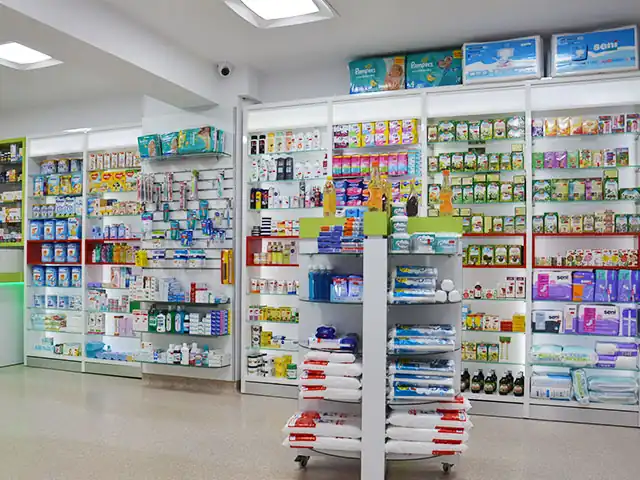
A regional PPB officer will then inspect your premises in person. They check for proper ventilation, lockable cabinets for controlled substances, cold-chain refrigeration, and a dedicated dispensing counter.
Once approved, the annual premises license typically costs between KES 10,000 and KES 15,000. You will also need a Single Business Permit and a Public Health License from your county government office.
Breaking Down the Capital Requirements
Costs vary by location and scale, but a standard retail pharmacy generally follows this pattern:
- Premises and fit-out: KES 300,000 to KES 1,000,000, including rent deposit and shelving
- Initial stock: KES 500,000 to KES 2,000,000, usually starting with mostly non-prescription drugs
- Licensing and compliance: KES 50,000 to KES 150,000
- Working capital for three months: KES 300,000 to KES 1,000,000
Many new pharmacy owners underestimate the working capital piece. Stock takes time to move, and rent still needs paying while you build a customer base.
Frequently Asked Questions
Do I need to be a pharmacist to own a pharmacy in Kenya?
Not necessarily, but anyone with financial interest must partner with a registered pharmacist or enrolled pharmaceutical technologist who holds majority shares as superintendent.
How much capital do I need to start a pharmacy in Kenya?
Budget between KES 650,000 and KES 5 million, depending on premises, stock levels, and location.
What qualifications does a pharmacy superintendent need?
A registered pharmacist qualifies automatically. An enrolled pharmaceutical technologist needs at least three years of post enrollment experience.
How long does PPB approval take?
Timelines vary, but expect the process to include document review plus a physical inspection of your premises before a license is issued.
What licenses are required beyond the PPB premises license?
You will also need a Single Business Permit and a Public Health License from your county government office.
Also read:Business Ideas in Kenya You Can Start With KSh 1,000 to 10,000
Final Thoughts
Starting a pharmacy in Kenya takes patience and proper documentation more than anything else. The regulatory process protects public health, so inspections and paperwork are non-negotiable.
Partner with a qualified superintendent early, budget realistically, and the path from registration to opening day becomes far more manageable.