







Kenya has approved a Sh28 billion Biotech Life Sciences Park at Konza Technopolis, a project designed to slash the country’s heavy reliance on imported medicines and strengthen national health security. The initiative follows a Project Implementation Proposal submitted by APIFA Biotech, a subsidiary of API for Africa, to the Konza Technopolis Development Authority under Kenya’s Public-Private Partnerships Act.
- Kenya’s Medicine Imports Are Already Falling
- Why Kenya Still Has a Long Way to Go
- The Government’s 2028 Self-Sufficiency Target
- Tax Incentives Built Into the Konza SEZ
- What This Means for Ordinary Kenyans
- Frequently Asked Questions
- Is the Konza Biotech Park confirmed and under construction?
- How much has Kenya’s pharmaceutical import bill actually dropped?
- What percentage of Kenya’s medicines are currently imported?
- What tax benefits apply to pharmaceutical manufacturers at Konza?
- When does Kenya aim to become pharmaceutically self-sufficient?
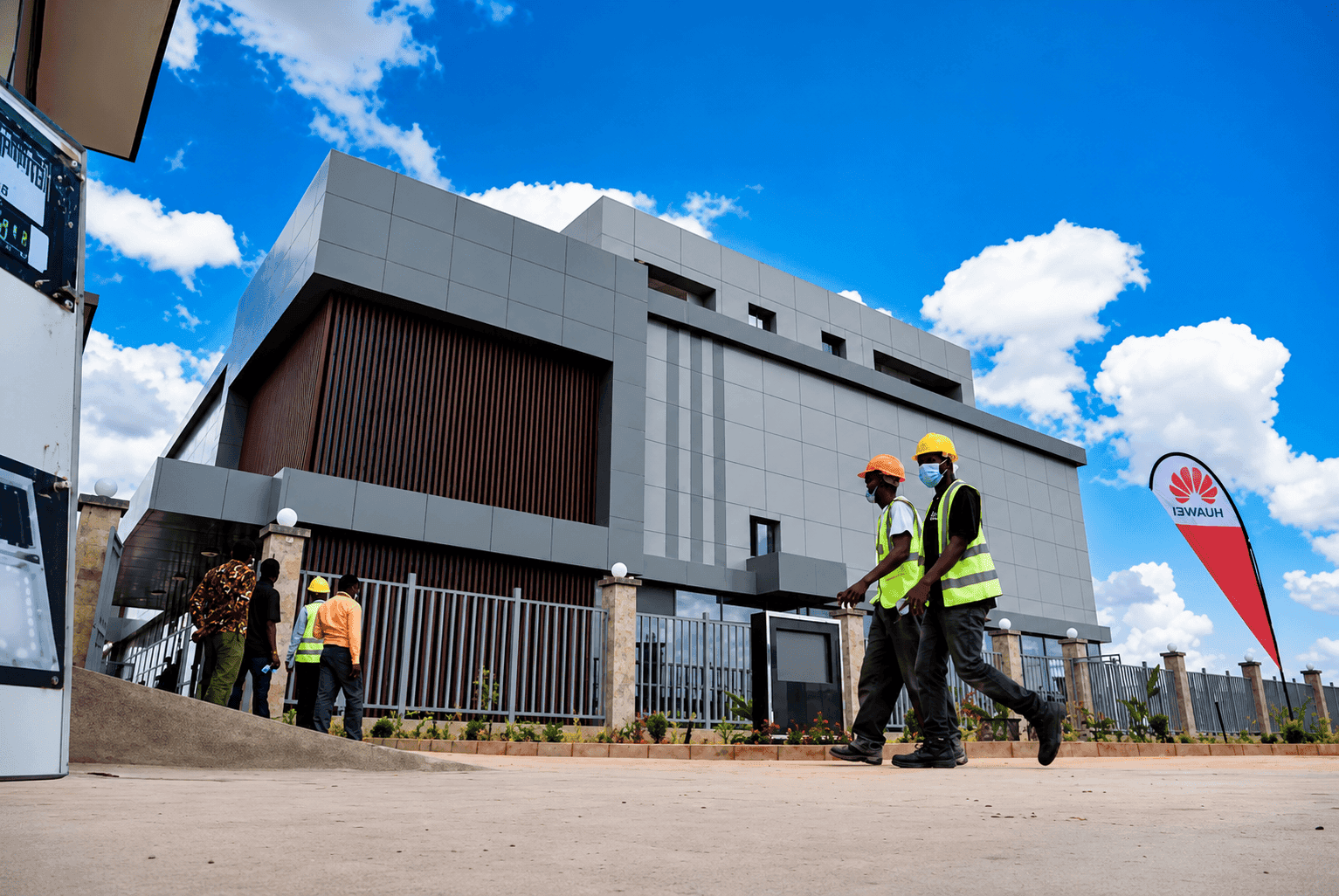
The park will be located within the Konza Technopolis Special Economic Zone, which sits at the intersection of Machakos, Makueni, and Kajiado counties, roughly 60 kilometres southeast of Nairobi. Once operational, it will manufacture Active Pharmaceutical Ingredients, finished formulations including antibiotics and vaccines, and host dedicated biotechnology research facilities.
Kenya’s Medicine Imports Are Already Falling
The timing of this project lines up with real, measurable progress. According to the Kenya National Bureau of Statistics, Kenya spent Sh15.6 billion on medicinal and pharmaceutical products between January and March 2026, down 23.52 percent from Sh20.4 billion in the same period the previous year, a fall of Sh4.8 billion.
That decline came despite import volumes actually rising 13.1 percent to 8,632.2 tonnes, suggesting Kenya is increasingly buying cheaper generic alternatives and sourcing more from local manufacturers rather than importing higher-cost branded formulations.
Why Kenya Still Has a Long Way to Go
Even with that progress, Kenya still imports an estimated 70 to 80 percent of its pharmaceuticals and relies almost entirely on external sources for vaccines, according to Ministry of Health officials. The country’s health products market is valued at roughly $1.2 billion annually, with more than $760 million of that spent on imports.
Permanent Secretary for Medical Services Dr Ouma Oluga has been blunt about what is at stake. Speaking at the launch of the Ministry of Health’s Local Manufacturing Strategy, he said local manufacturing is the single largest lever the country has left to pull on cost, adding that a health system cannot be sustained if it cannot be reliably supplied.
The Government’s 2028 Self-Sufficiency Target
Kenya has committed to achieving pharmaceutical self-sufficiency by 2028, according to the Ministry of Health, an ambition built around four pillars: procurement reforms that prioritise locally manufactured products, the Local Manufacturing Strategy 2026-2030, faster regulatory approval timelines, and expanded financing through institutions like the Kenya Development Corporation.
Kenya remains the most advanced pharmaceutical manufacturer in East Africa and the third-largest pharmaceutical exporter on the continent, giving it a real foundation to build from. The Konza Biotech Park would add serious API production capacity, an area where the country has historically lagged since most existing local manufacturers focus on formulation rather than producing the raw active ingredients themselves.
Tax Incentives Built Into the Konza SEZ
Investors operating within the Konza Special Economic Zone benefit from Kenya’s standard SEZ fiscal framework. Corporate Income Tax drops to 10 percent for the first 10 years of operation, rising to 15 percent for the following decade, before settling at the standard 30 percent rate thereafter.
Goods and taxable services supplied within the SEZ carry a 0 percent VAT rate, and the government has separately removed VAT on raw materials and inputs used to manufacture pharmaceutical products, whether sourced locally or imported. Customs duties are also waived on capital machinery and raw materials, removing a major cost barrier for manufacturers setting up production in Kenya.
What This Means for Ordinary Kenyans
If the Konza Biotech Park delivers on its intent, the practical benefit for Kenyans is straightforward: more medicines produced domestically means less exposure to global supply shocks and, over time, lower prices as shipping costs and import tariffs get stripped out of what patients ultimately pay at the pharmacy counter.
That said, the project is still moving through Kenya’s PPP approval process, and a full commercial rollout timeline has not been publicly confirmed. Progress on Kenya’s broader local manufacturing target has also been slower than originally hoped, with local production still sitting at around 30 percent against a 50 percent target that was originally set for the end of 2026.
Read also:Tech News: SpaceX IPO, Gemini Kenya, $10B AI Startup and Apple Siri
Frequently Asked Questions
Is the Konza Biotech Park confirmed and under construction?
The project has cleared Kenya’s Public-Private Partnerships disclosure process, with APIFA Biotech’s proposal formally submitted to the Konza Technopolis Development Authority. A confirmed construction start date has not yet been publicly announced.
How much has Kenya’s pharmaceutical import bill actually dropped?
Kenya’s pharmaceutical import spending fell 23.52 percent in the first quarter of 2026, down to Sh15.6 billion from Sh20.4 billion in the same period the previous year, according to KNBS data.
What percentage of Kenya’s medicines are currently imported?
Kenya still imports an estimated 70 to 80 percent of its pharmaceuticals, with local production currently at around 30 percent against a government target of 50 percent local production of essential medicines.
What tax benefits apply to pharmaceutical manufacturers at Konza?
Manufacturers in the Konza SEZ get reduced Corporate Income Tax starting at 10 percent, 0 percent VAT on goods and services within the zone, and customs duty exemptions on capital machinery and raw materials.
When does Kenya aim to become pharmaceutically self-sufficient?
The government has set a target of 2028 for pharmaceutical self-sufficiency, supported by the Local Manufacturing Strategy 2026-2030 and expanded financing through the Kenya Development Corporation.