





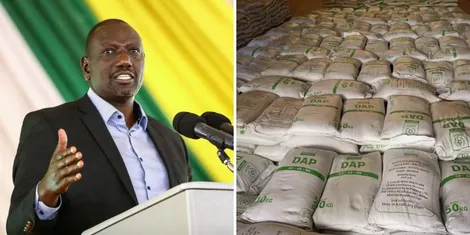
President William Ruto has announced a fresh round of farm input subsidies, cutting maize seed prices by half and knocking Sh500 off a bag of fertiliser, effective from September 2026. He made the announcement during a church service at AIC Makutano in Taita Taveta County on Sunday, August 23, framing it as a direct response to a difficult planting season that has left the country facing a smaller maize harvest than usual.
“We have decided as government to lower the cost of maize seeds and channel public resources into fertiliser support so that farmers can plant more and secure the country’s food supply,” Ruto told the congregation, urging farmers nationwide to use the coming short rains to rebuild the country’s food reserves.
What’s Actually Changing at the Farm Gate
| Input | Current Price | New Price (From September) | Change |
|---|---|---|---|
| Maize Seed (per bag) | Ksh 300 | Ksh 150 | 50% cut |
| Fertiliser (50kg bag) | Ksh 2,500 | Ksh 2,000 | Ksh 500 cut |
“I am making an announcement to all our farmers that from next month, in the next two weeks, we are going to subsidise maize seeds by 50% and reduce the cost of fertiliser by another 500 shillings,” Ruto said, according to The Star, adding that the fertiliser price cut should apply uniformly across the country and that his administration had already set aside funds to support the programme.
Why Now: A Maize Harvest Already Under Pressure
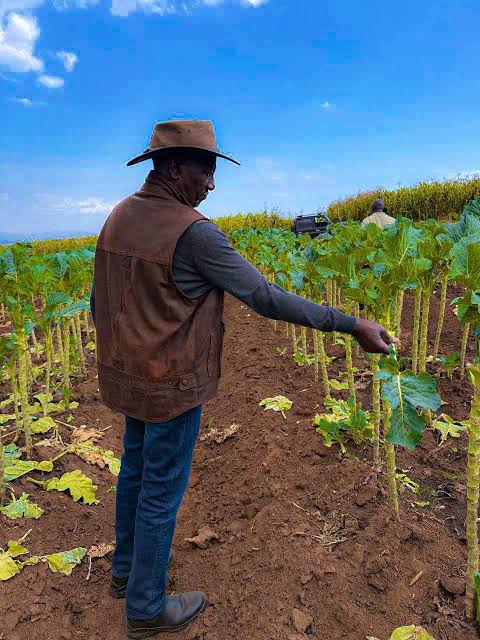
This isn’t a routine seasonal announcement. It follows a genuinely difficult stretch for Kenyan farmers. The country’s long rains failed across several regions earlier in 2026, disrupting planting and stunting crop development in what farmers describe as one of the harder seasons in recent memory. Ruto has previously pointed to a maize harvest forecast of below 30 million bags this year, against a normal annual production closer to 40 million bags, attributing the shortfall directly to the high cost of farm inputs.
That production gap matters because Kenya’s food security and inflation numbers are closely tied to maize output, a link the Ministry of Agriculture and Livestock Development has flagged repeatedly in its own food security briefings. Cheaper seed and fertiliser going into the short rains planting window, expected to run through September and October, is the government’s main lever for narrowing that gap before it translates into higher unga prices at the shop.
A Counterfeit Problem Complicating the Rollout
The subsidy push comes against a backdrop of growing concern over fake agricultural inputs flooding the market. Just days before Ruto’s announcement, multi-agency detectives seized 3,500 bags of suspected counterfeit fertiliser and arrested three people in Uasin Gishu County, one of Kenya’s key grain-growing regions, according to reporting by Streamline Feed. Government officials have said quality controls will be tightened to keep counterfeit products out of the subsidised distribution chain, though the scale of the seizure suggests the problem runs deeper than a single incident.
Timing Farmers Should Watch Closely
The new prices take effect from September 2026, timed to land just as the short rains begin. For farmers, that timing is everything. Cheaper inputs only help if they’re actually available on the ground when planting windows open, and past subsidy programmes distributed through the National Cereals and Produce Board have occasionally run into delivery delays that blunted their impact. Whether this round reaches farmers on schedule, particularly smallholders cultivating under five acres who the government has said will be prioritised, will determine how much difference the price cuts actually make this season.
Part of a Broader Coastal Development Push
Ruto used the same Taita Taveta visit to announce a cluster of other commitments for the region, including 500,000 title deeds to be issued across the Coast, with 45,000 of those in Taita Taveta specifically, a Sh17 billion investment in Affordable Housing Programme projects in the county, and the upgrade of Taveta Hospital from a Level 3 to a Level 4 facility, according to KBC. He also referenced Sh18 billion in school capitation already released ahead of term reopening, pushing back against claims from political opponents that the funds hadn’t reached schools.
Also read:Apollo Agriculture — Farm Inputs, Loans & Insurance for Farmers | Business Listings Kenya
What This Means for the Cost of Living
Kenya’s inflation rate rose to 8.5 percent in August 2026, and food production costs remain one of the biggest drivers behind that pressure, a trend the Kenya National Bureau of Statistics tracks monthly through its Consumer Price Index. The government’s bet here is straightforward: lowering what it costs farmers to grow maize should, over a season or two, translate into more grain reaching the market and less upward pressure on flour prices. That’s a longer play than a direct consumer subsidy, and its success depends on farmers actually accessing the cheaper inputs on time, getting reasonable rainfall, and getting the harvest to market efficiently once it’s ready.