




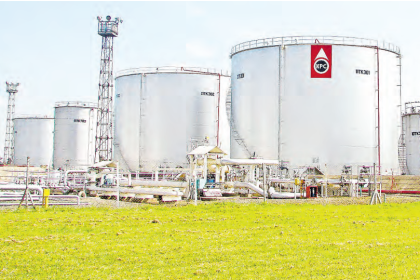






Kenya had big dreams for its manufacturing sector. More factories, more jobs, less dependence on imported goods. For a while, that vision seemed within reach. But today, the picture looks more complicated. Factory owners are dealing with costs that keep climbing, foreign goods flooding the market, and customers who are spending less. The country’s industrial ambitions are being tested in real time.
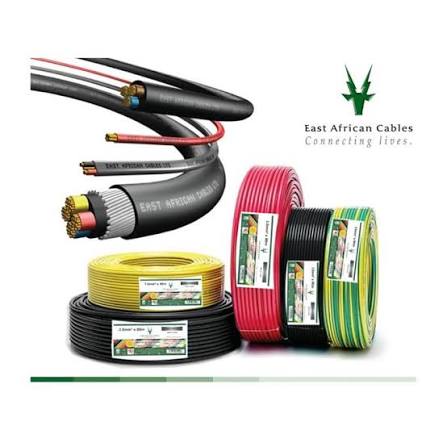
The numbers tell part of the story. According to the Kenya National Bureau of Statistics (KNBS), manufacturing’s share of the country’s GDP slipped from 7.3 percent in 2024 to 7.1 percent in 2025. That may sound like a small drop, but in a growing economy, a shrinking share signals that the sector is not keeping pace. Something is holding it back.
The Cost Problem Is Real
Ask any factory owner in Kenya what keeps them up at night, and the answer usually involves costs. Electricity bills are high. Moving goods around the country is expensive. And a big chunk of raw materials has to be imported, meaning manufacturers are constantly exposed to exchange rate swings and global price shifts.
The Kenya Association of Manufacturers (KAM) has been vocal about this for years. Their argument is straightforward: Kenyan factories are trying to compete with goods made in countries where energy is cheaper, taxes are more predictable, and production happens at a much larger scale. That is a tough fight to win.
KAM’s Chief Executive Tobias Alando points to tax policy as a particular pain point. When the government changes levies on raw materials frequently, businesses cannot plan properly. Excise duties on inputs, he says, are among the biggest drags on the sector. Firms end up absorbing costs they cannot pass on to buyers without losing customers.
Cheap Imports Are Taking Market Share
At the same time, local manufacturers are watching foreign goods fill shelves at prices they struggle to match. Steel, plastics, textiles, electronics — these are categories where imported products regularly undercut domestic ones on price. For a consumer watching their budget, the choice often comes down to cost, and the imported option wins.
This is a sensitive debate. Imports are not all bad. Kenya needs machinery, industrial components, and affordable goods that local factories simply do not produce in enough quantity. The real question is not whether to allow imports, but how to bring local production costs down far enough to make Kenyan goods genuinely competitive. That has proven easier said than done.
Consumers Are Pulling Back
Even if manufacturers could fix their cost structure overnight, they would still face another problem: people are buying less. Households are cautious, businesses are cautious, and that caution is rippling through the supply chain.
The Stanbic Bank Kenya Purchasing Managers’ Index (PMI) dropped to 47.7 in March 2026, down from 50.4 in February. Any reading below 50 signals contraction, meaning private sector activity shrank for the first time since August 2025. Output fell. New orders fell. The dip was broad-based, cutting across multiple industries.
Stanbic Bank economist Christopher Legilisho linked the drop to both weaker local demand and concerns about instability in the Middle East, which has pushed up fuel and freight costs. For manufacturers, softer demand is particularly painful because it removes the option of passing cost increases on to customers. Instead, firms absorb the hit and margins get thinner.
Global Pressures Are Not Helping
The external environment has not been kind either. Geopolitical tensions have disrupted supply chains and kept energy prices elevated. Getting raw materials in and finished goods out costs more than it did a few years ago. Kenya’s manufacturers, many of whom rely on imported inputs, are directly exposed to these fluctuations.
There is some good news on the macro side, though. Inflation has cooled considerably compared to the peaks of recent years. The Kenyan shilling has also stabilised after a prolonged period of depreciation, which has made imported machinery and components cheaper in local currency terms. Legilisho noted that April’s PMI data pointed to a steady return to growth, suggesting the March dip may not be the start of a deeper slide.
The Government Sees a Different Picture
Government officials are not painting the same gloomy picture as the industry groups. Trade Principal Secretary Juma Mukhwana says investment into manufacturing is actually holding up well, with the country drawing in new investors at a consistent pace. He has pointed to a steady stream of factories being set up even as others close or scale back.
From the government’s view, Kenya remains an attractive destination for manufacturing investment in East Africa, and the exits that do happen are quickly replaced by new entrants. Whether that level of inflow is enough to move the needle on GDP contribution and job creation is another matter entirely.
What the Industry Says Needs to Happen
Industry leaders are not asking for handouts. What they want is a more predictable environment. Lower energy costs, better roads and logistics, and a tax system that does not change the rules mid-game. KAM Board Vice Chair Hitesh Mediratta has called for stronger collaboration between the private sector and the government, with a focus on growing output and employment over the next few years.
There is also a bigger opportunity on the horizon. The African Continental Free Trade Area (AfCFTA) opens up a market of over a billion people to Kenyan exporters. But to take advantage of it, local manufacturers need to be cost-competitive. Right now, many are not there yet.
Not Down, But Not Out of the Woods Either
It would be wrong to write off Kenya’s manufacturing sector entirely. Food processing, pharmaceuticals, construction materials, and export-focused production are all areas where investment continues to flow and output is growing. Factories are also adapting — using automation, cutting waste, and looking for regional buyers to replace slower domestic demand.
But the overall trend is one of strain. Costs are rising faster than demand is recovering. The sector’s share of the economy is drifting down. And the structural issues energy prices, tax unpredictability, logistics gaps have been discussed for years without fully being resolved.
For Kenya’s factories to grow into the backbone of the economy they were always meant to be, the conversation needs to move from diagnosis to action. The problems are well understood. What is still missing is the sustained, coordinated effort to fix them.