







Not every hospital in Kenya can handle every kind of emergency, and understanding the level system can genuinely save you time in a crisis. Level 5 and Level 6 facilities sit at the very top of the country’s healthcare structure.
- Understanding the Level System
- Level 6 Hospitals: National Referral and Specialized Centers
- Public National Teaching and Referral Hospitals
- Public Specialized Centers
- Elite Private Teaching Hospitals at Level 6 Equivalence
- Level 5 Hospitals: County Referral and Secondary Centers
- Key Structural Differences
- What This Means for SHA Coverage
- Frequently Asked Questions
- Conclusion
Level 5 hospitals serve as secondary county referral centers, while Level 6 facilities operate as the ultimate national teaching, research, and tertiary referral hubs. Here is the full breakdown of which hospitals fall into each category and what actually separates them.
Understanding the Level System
Kenya’s healthcare delivery is organized across six levels, running from community health units at Level 1 up to national referral hospitals at Level 6. Under the country’s devolved system, county governments manage facilities from Level 1 through Level 5, while the national government retains control of Level 6 referral hospitals and sets broader health policy through the Ministry of Health.
Kenya has over 13,000 public health facilities nationwide, but only a small fraction reach Level 5 or Level 6 status, since these tiers require significantly more infrastructure, specialist staffing, and equipment than lower-level facilities.
Level 6 Hospitals: National Referral and Specialized Centers
Level 6 hospitals handle the most complex medical cases, provide specialized regional treatments, and run internship or training programs for medical professionals. These facilities are either managed directly by the national government or operate as major private university teaching hubs.
Public National Teaching and Referral Hospitals
- Kenyatta National Hospital (KNH), Nairobi — Kenya’s largest public referral hospital and the primary teaching hospital for the University of Nairobi’s College of Health Sciences, with a bed capacity exceeding 1,800, making it the largest referral hospital in East and Central Africa
- Moi Teaching and Referral Hospital (MTRH), Eldoret — serves western Kenya and the North Rift region as a major tertiary facility
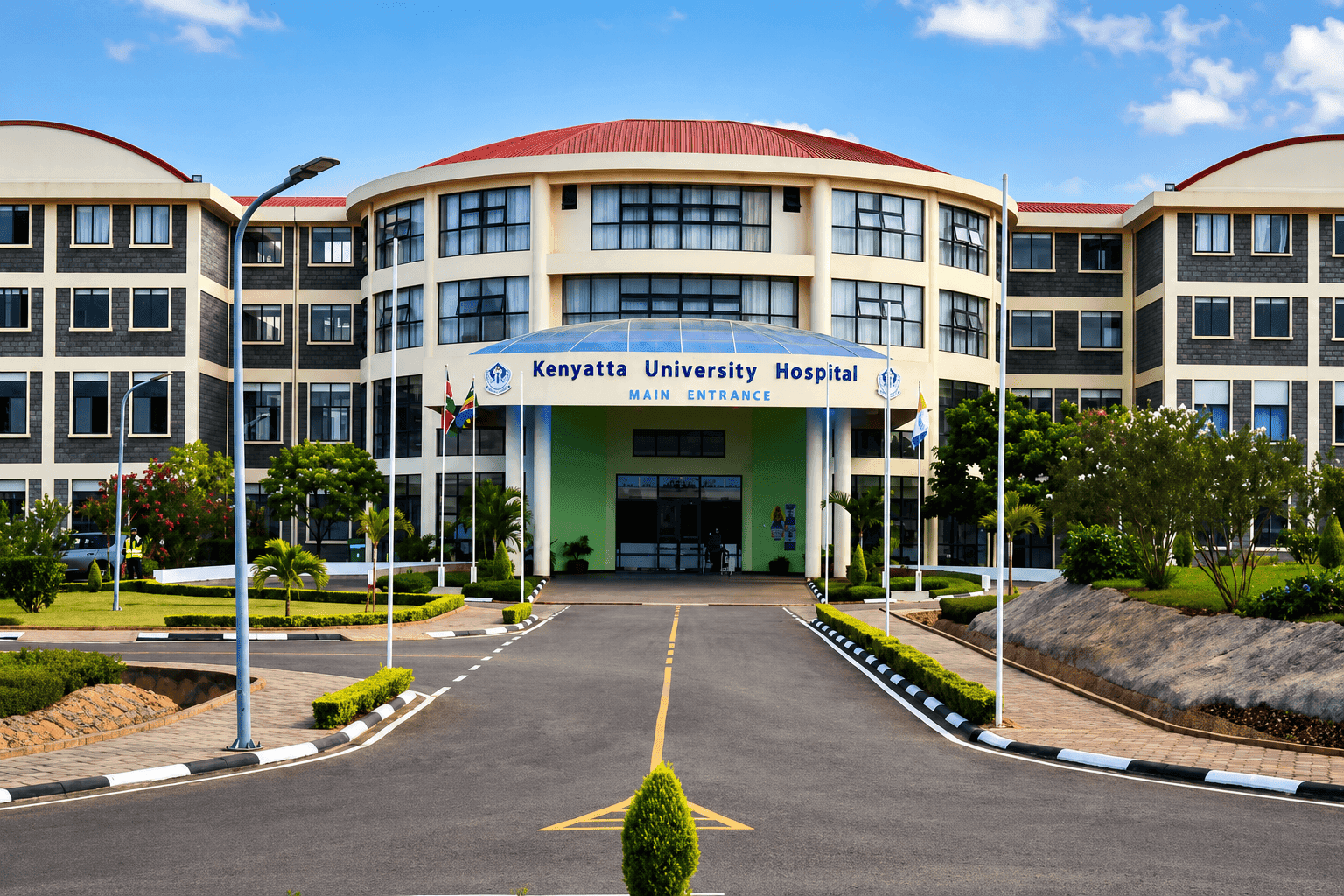
- Kenyatta University Teaching, Referral and Research Hospital (KUTRRH), Nairobi — Kenya’s newest Level 6 national referral hospital, opened in 2021 with a 650-bed capacity, focusing heavily on oncology and advanced diagnostic imaging
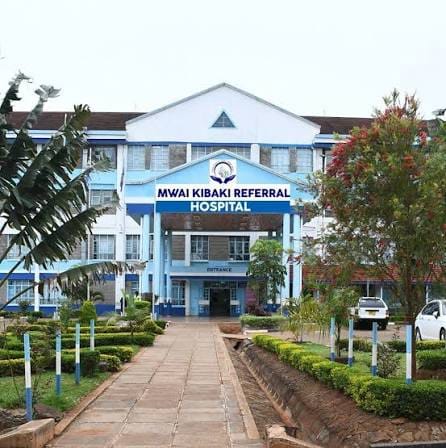
- Mwai Kibaki Hospital, KNH Othaya, Nyeri — a specialized annex servicing the Mount Kenya regional block
- Kisii Teaching and Referral Hospital (KTRH), Kisii — upgraded to offer high-tier research and tertiary regional healthcare
- Nakuru Level 6 Hospital, Nakuru — formerly the Rift Valley Provincial General Hospital, upgraded to serve the wider Rift region
Public Specialized Centers
- Mathari National Teaching and Referral Hospital, Nairobi — Kenya’s primary national institution for specialized psychiatric and mental health services
- National Spinal Injury Referral Hospital, Nairobi — a specialized orthopedic and spinal cord injury treatment center originally built during World War II, with a 33-bed capacity dedicated to rehabilitating spinal injury patients
Elite Private Teaching Hospitals at Level 6 Equivalence
- The Aga Khan University Hospital, Nairobi — specialized tertiary care with internationally accredited medical training
- The Karen Hospital, Nairobi — an advanced cardiac and tertiary surgical center
- M.P. Shah Hospital, Nairobi — a specialized tertiary referral and surgical facility
Level 5 Hospitals: County Referral and Secondary Centers
Level 5 hospitals must feature at least 60 to 100 inpatient beds, fully functional ICU or HDU units, multiple operating theaters, advanced imaging like CT scans or MRI, and full-scale dialysis centers. Roughly 101 registered Level 5 hospitals operate across Kenya’s public, faith-based, and private networks.
Prominent Public County Referral Hospitals
- Mbagathi County Referral Hospital, Nairobi — a multi-department secondary facility serving the capital metropolis
- Mama Lucy Kibaki Hospital, Nairobi — the primary Eastlands region referral public center
- Coast General Teaching and Referral Hospital, Mombasa — serving the entire coastal region
- Kitui County Referral Hospital, Kitui — the principal public secondary care provider in the lower Eastern region
- Kerugoya County Referral Hospital, Kirinyaga — a full-service secondary referral public facility
- Chuka County Referral Hospital, Tharaka Nithi — a specialized teaching and regional secondary referral facility
- Jaramogi Oginga Odinga Teaching and Referral Hospital (JOOTRH), Kisumu — the core public hub for western Kenya
Notable Private and Faith-Based Level 5 Hospitals
- AIC Kijabe Hospital, Kiambu — a premier faith-based surgical training and comprehensive referral facility, one of the oldest hospitals in this tier, dating back to 1915
- Metropolitan Hospital, Nairobi — a high-capacity accredited private provider offering intensive care and neurosurgery
- PCEA Tumutumu Mission Hospital, Nyeri — a faith-based surgical and inpatient referral center
- Nazareth Hospital, Kiambu — a mission-owned secondary specialist medical center
- Aga Khan Hospital Kisumu, Kisumu — private specialized secondary healthcare serving the lake basin region
- Consolata Hospital, Nyeri — an established faith-based regional inpatient facility
Key Structural Differences
| Feature | Level 5 Hospitals | Level 6 Hospitals |
|---|---|---|
| Primary Management | County Governments / Private Entities | National Government / Private Universities |
| Scope of Service | Specialized inpatient/outpatient, ICU, imaging | Highly complex or rare treatments, national/regional scale |
| Medical Training | Internship and paramedical training | Degree, postgraduate, and advanced research |
| Insurance Coverage | High daily inpatient allocation via SHA | Strict referral needed for pre-authorized SHA coverage |
What This Means for SHA Coverage
Under Kenya’s Social Health Authority system, government and mission or faith-based hospitals across both levels generally accept SHA coverage, though private hospital acceptance varies by specific facility and service type. Level 6 hospitals typically require a formal referral before SHA pre-authorizes coverage for treatment, reflecting their role as the final tier in Kenya’s stepwise healthcare referral system.
Always confirm a facility’s current SHA accreditation status directly before seeking treatment, since coverage details and accredited provider lists can shift over time.
Related:Nakuru Level 6 Hospital — National Referral Hospital, Rift Valley
—St Mary’s Mission Hospital — Langata Nairobi & Elementaita Nakuru | Business Listings Kenya
—Kenyatta University Teaching, Referral & Research Hospital (KUTRRH) | Business Listings Kenya
Frequently Asked Questions
What is the difference between Level 5 and Level 6 hospitals in Kenya?
Level 5 hospitals serve as county referral centers for specialized inpatient and outpatient care, while Level 6 hospitals handle the most complex national-level cases and run advanced medical training and research programs.
Which is the largest hospital in Kenya?
Kenyatta National Hospital in Nairobi is the largest public referral hospital in Kenya and in East and Central Africa, with a bed capacity exceeding 1,800.
How many Level 5 hospitals are there in Kenya?
There are roughly 101 registered Level 5 hospitals distributed across Kenya’s public, faith-based, and private healthcare networks.
Do I need a referral to access a Level 6 hospital in Kenya?
Yes, Level 6 hospitals typically require a formal referral, particularly for SHA to pre-authorize coverage for treatment at this tier.
Is Aga Khan University Hospital considered Level 6?
Yes, Aga Khan University Hospital operates at Level 6 equivalence as an elite private teaching hospital offering specialized tertiary care.
Conclusion
Kenya’s Level 5 and Level 6 hospitals form the backbone of the country’s most advanced medical care, spanning public national referral centers, faith-based mission hospitals, and elite private teaching institutions. Knowing which facility handles which level of care can make a real difference when navigating a medical emergency or planning specialized treatment.
Whether you are dealing with a routine county-level referral or a highly specialized national case, understanding this structure helps you and your family access the right level of care faster.