


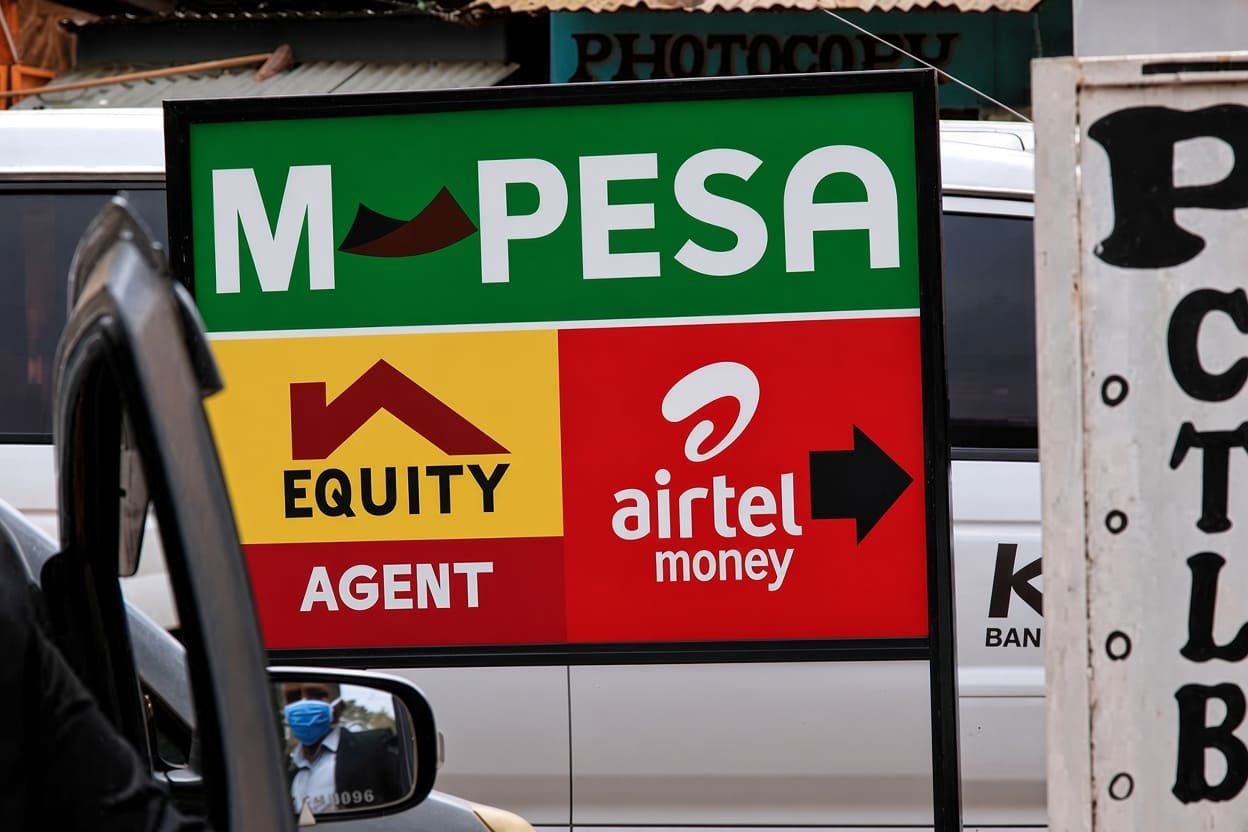
Starting a mobile money agency in Kenya takes anywhere from KSh 15,000 to over KSh 400,000, and the gap between those two numbers comes down entirely to which network you choose and which tier you enter at. This guide is for anyone weighing a mobile money agency as a first business or a second income stream, whether you’re working with a modest KSh 30,000 or already run an established shop with capital to spare. It walks through what M-Pesa, Airtel Money, and Equitel actually require, what running the business day to day looks like, and where the real earnings and real risks sit.
- The Three Networks at a Glance
- 1. Safaricom M-Pesa
- Principal Agent (Direct Dealer)
- Sub-Agent (Recommended for Beginners)
- Finding a Reliable Principal Agent
- 2. Airtel Money
- 3. Equitel (Equity Bank Agency)
- What You’ll Actually Earn
- Location Matters More Than Branding
- The Full Startup Cost, Not Just Float
- A Realistic First-Month Example
- Fraud and Risk: What to Watch For
- Running Multiple Networks From One Counter
- A Quick Word on Tax
- Frequently Asked Questions
- What’s the cheapest way to become a mobile money agent in Kenya?
- Can I start from home or without a dedicated shop?
- How long before I see real money?
- What happens if my float is stolen or the till is compromised?
- Do I need a registered company to become an agent?
- Bottom Line
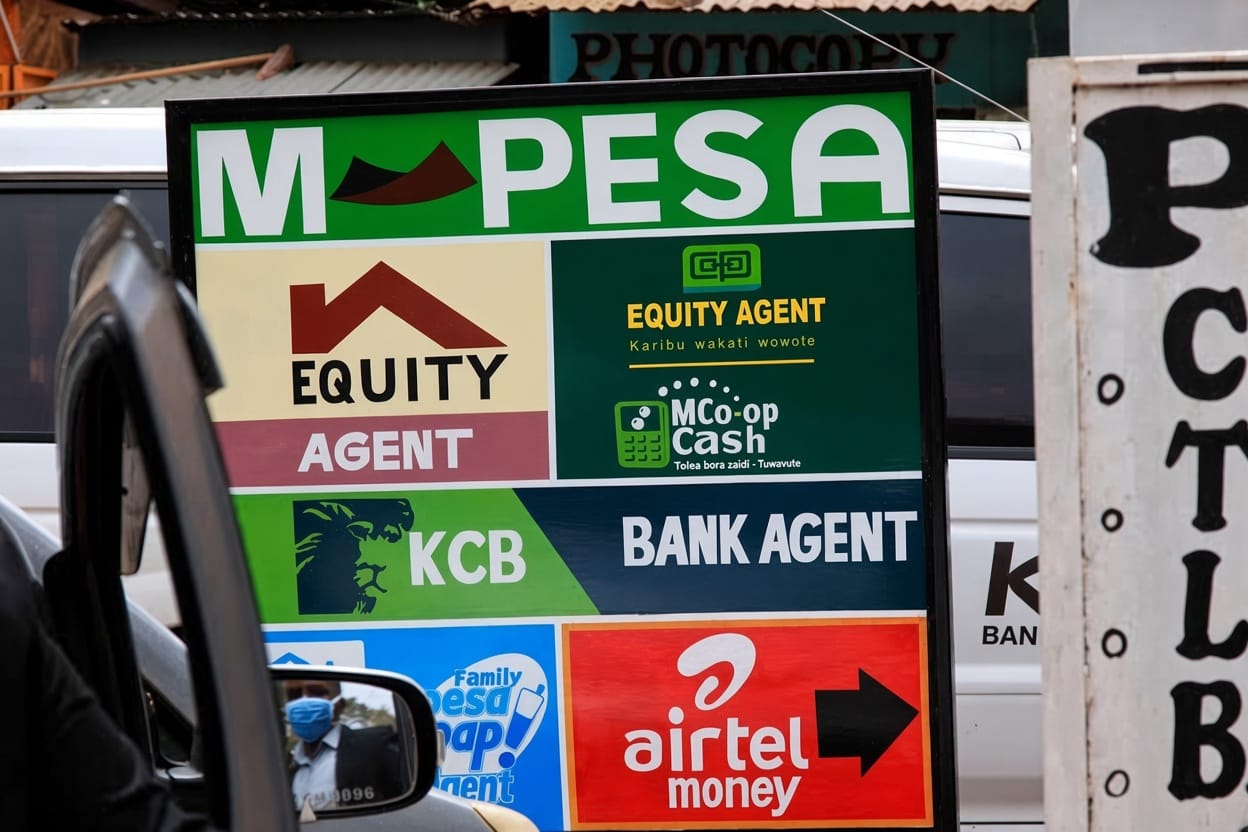
Choosing between M-Pesa, Airtel Money, and Equitel comes down to your starting capital and whether you want to enter as a principal agent or a smaller sub-agent.
The Three Networks at a Glance
| Network | Market Position | Entry Path | Typical Capital Needed |
|---|---|---|---|
| M-Pesa (Safaricom) | Dominant, highest transaction volume | Principal agent or sub-agent | KSh 30,000 (sub-agent) to KSh 400,000+ (principal) |
| Airtel Money | Smaller but growing, lower fees | Direct outlet registration | KSh 15,000 per outlet |
| Equitel (Equity Bank) | Bank-linked, high-value transactions | Add-on to an existing Equity account | Varies by cash-handling capacity, no fixed published minimum |
1. Safaricom M-Pesa
M-Pesa handles the largest share of Kenya’s mobile money transactions, and Safaricom’s onboarding reflects that. There are two real paths in.
Principal Agent (Direct Dealer)
This is the serious end of the business, not a casual side hustle. You need a registered limited company that’s been trading for at least six months, a minimum of three operational outlets under that company name, and a float of KSh 100,000 per outlet. That’s KSh 300,000 in float alone, plus another KSh 100,000 for SIMEX (SIM replacement cards). Add registration and licensing costs of roughly KSh 10,000 to 30,000, plus KSh 20,000 to 50,000 for shop setup and security, and your realistic starting capital lands closer to KSh 450,000 to 480,000 all in.
Documentation required includes a certified Certificate of Incorporation, a Form CR12 valid within the last three months, National IDs and KRA PIN certificates for all directors, a valid county Single Business Permit, and a police Certificate of Good Conduct for operators. Safaricom also expects each outlet to employ staff with at least a KCSE qualification, reliable internet connectivity, and premises that are secure, well-lit, and properly branded.
Sub-Agent (Recommended for Beginners)
This is the far more accessible route. Instead of registering directly with Safaricom, you buy an existing till line from a licensed principal agent or aggregator. That removes the three-outlet requirement entirely. The commonly cited minimum float for a sub-dealer till is KSh 30,000, well below what a direct dealer needs.
The tradeoff is commission and control. Sub-agents typically keep a smaller cut than principal agents, and the agent who recruited you can, in practice, dip into your float or set less favorable terms if you haven’t chosen a reputable one.
Finding a Reliable Principal Agent
This step gets skipped too often, and it shouldn’t. Before you commit to a till, talk to other sub-agents already operating in your target area and ask specifically which principal agents pay commissions on time and don’t interfere with float. Check how long the principal has been actively running lines, since newer operators are more likely to have cash flow problems of their own. Get the commission split and any goodwill fee in writing before you hand over money, even if it feels like an informal arrangement between acquaintances.
2. Airtel Money
Airtel Money is the most accessible network to join directly, since Safaricom’s multi-outlet requirement simply doesn’t apply here.
You’ll need a duly filled Airtel Money Agent Application Form, a certified copy of your Business Name Registration or Certificate of Incorporation, National ID and KRA PIN copies, a valid county trading license, and two colored passport photos. Airtel’s own published requirement is a minimum operational float of KSh 15,000 per outlet, with a maximum of two outlets per applicant. A few sources cite figures as low as KSh 10,000, so it’s worth confirming the current threshold directly with Airtel when you apply, since these numbers do shift.
Submit your documents to your nearest Airtel Customer Care Center, or email them to Airtel’s retail recruitment team. Approval, including background verification and line activation, typically takes up to 14 working days.
3. Equitel (Equity Bank Agency)
Equitel works differently from the other two. It isn’t really a standalone mobile money shop you set up from scratch. It’s an add-on service layered onto an existing, established retail business with an Equity Bank relationship already in place.
You’ll need an active Equity Bank business account with at least six months of history, a clean Credit Reference Bureau report, financial records showing stable cash flow, and standard KYC documents including a Certificate of Good Conduct. Equity Bank doesn’t publish a fixed minimum float figure the way Safaricom and Airtel do. Instead, approval depends on your business’s demonstrated cash-handling capacity and a physical security inspection of your premises.
The process starts with an Agent Banking Application Form at your home branch. Equity representatives then inspect your business for security and cash-handling safety. Once approved, you receive an Equitel SIM line, POS terminals, and training. One genuine advantage here: Equitel agents can also fund and sell M-Pesa float directly to other agents, which opens a secondary income stream most first-time agents don’t consider.
What You’ll Actually Earn
Commissions are tiered by transaction size, and withdrawals consistently pay more than deposits, since cashing out puts physical cash risk and liquidity pressure on the agent that a deposit doesn’t. On M-Pesa’s current published bands, deposit commissions run roughly from KSh 4 to KSh 190 per transaction, while withdrawal commissions run from about KSh 5 to KSh 200, with the highest bands landing on withdrawals between KSh 50,001 and 70,000.
These bands shift periodically, so treat any specific figure as a snapshot rather than a permanent rate, and check current commission tables through the official Safaricom app before budgeting seriously around them.
What that means in practice varies enormously by location. A busy sub-agent till in a high-footfall spot might clear KSh 10,000 to 30,000 net per month after rent, data, and security costs, once float and traffic are consistent. A quiet outlet in a saturated or low-traffic area can struggle to cover its own setup costs for months. Location and float discipline matter far more to your actual earnings than which network you picked.
Location Matters More Than Branding
A new agent’s first instinct is often to worry about signage and shop appearance. In practice, foot traffic decides profitability long before presentation does. Look for spots near markets, matatu or bus stages, residential estates with a lot of working commuters, or petrol stations, since these generate steady deposit and withdrawal demand throughout the day. Areas already saturated with two or three competing agents within a short walk are harder to break into profitably, even with a better location or friendlier service, simply because regular customers already have a trusted agent.
The Full Startup Cost, Not Just Float
Float is the headline number, but it’s rarely the whole picture. Budget separately for the setup costs around it.
| Item | Rough Range |
|---|---|
| Security (safe, grills, basic CCTV) | KSh 15,000-40,000+ |
| Signage and branding materials | Usually supplied by the network, minor extras possible |
| Basic furniture and counter setup | KSh 5,000-15,000 |
| Phone, data, and connectivity | KSh 1,000-3,000 monthly |
| First month’s rent or shop share | Varies heavily by location |
| Certificate of Good Conduct | Modest one-off government fee |
| County Single Business Permit | KSh 3,500-5,000 for small traders, more for larger premises |
For a modest sub-agent or Airtel outlet setup, budget an extra KSh 20,000 to 50,000 on top of your float to cover these costs properly rather than cutting corners on security in particular.
A Realistic First-Month Example
Say you start an Airtel Money or M-Pesa sub-till with roughly KSh 40,000 to 50,000 total, float plus setup, in a decent but not exceptional location. A steady outlet might process somewhere between 20 and 40 transactions a day once established, weighted toward smaller deposit and withdrawal amounts early on as customers build trust in a new agent. After rent, data, and basic security costs, many small agents in workable locations report net earnings in the low tens of thousands of shillings monthly during the first few months, with income climbing as your float capacity and customer base grow. Treat this as a rough planning range, not a guarantee. Location, competition, and float management swing the outcome significantly.
Fraud and Risk: What to Watch For
Float management is where most new agents struggle day to day, but fraud is where they lose real money.
- Never complete a transaction over the phone, and never process a reversal for someone else. Always demand a physical, original National ID before dispensing cash.
- Watch for fake reversal requests. A common scam involves someone claiming they sent money to the wrong till or number and pressuring the agent to reverse it immediately, before the agent has verified anything through official channels.
- Be alert to SIM-swap-related fraud. Kenya saw a sharp rise in SIM-swap fraud recently, with fraudsters impersonating victims to telecom customer service to hijack phone numbers and drain linked accounts. As an agent, this mostly affects your customers rather than your own till directly, but recognizing the pattern, someone suddenly unable to receive texts or calls, followed by unusual account activity, helps you spot when something’s wrong.
- If anything feels rushed or the customer is pressuring you, stop. Urgency is the single most common tool used in agent-targeted scams. A legitimate customer will wait the extra minute it takes to verify ID and confirm details properly.
Running Multiple Networks From One Counter
Many agents run M-Pesa and Airtel Money side by side, and an Equitel line can be layered onto an existing retail business alongside either. This is common and generally a smart way to capture more customer traffic through a single physical location. The catch is that each network requires its own separate float, its own compliance documentation, and its own branding standards. Don’t assume one float or one set of paperwork covers you across networks. Budget and register for each one independently.
A Quick Word on Tax
As your agency income grows, KRA obligations follow. Businesses with annual gross turnover between roughly KSh 1 million and KSh 25 million typically qualify for Turnover Tax, a simplified regime charged on gross sales rather than net profit, and KRA has been actively tightening enforcement on mobile money income specifically, so this isn’t an area worth ignoring once your till starts moving real volume.
Related:Airtel Kenya — Mobile Network, Data & Airtel Money Services | Business Listings Kenya
—Safaricom Cuts M-Pesa Business Fees by Up to 50% From August 2026
Frequently Asked Questions
What’s the cheapest way to become a mobile money agent in Kenya?
An M-Pesa sub-agent till, with a minimum float around KSh 30,000, or an Airtel Money outlet at KSh 15,000 per outlet, are the two most accessible entry points.
Can I start from home or without a dedicated shop?
Not really for a standalone agency. All three networks require a physical, secure premises with proper signage and, for M-Pesa and Airtel, a documented business location. Running the till from a spare room in your home without any commercial storefront generally won’t pass inspection.
How long before I see real money?
Most new agents take one to three months to build a steady customer base and see consistent net earnings, since trust and repeat traffic build gradually, especially in areas with existing competing agents.
What happens if my float is stolen or the till is compromised?
Report it immediately to your network provider and, for a stolen physical float, to the police as well. For M-Pesa agents, credit facilities like the Agent Business Loan can help rebuild working float quickly, though this doesn’t cover losses from fraud or theft itself, which is why a proper safe and basic security measures aren’t optional extras.
Do I need a registered company to become an agent?
For an M-Pesa principal agent, yes, a registered limited company with six months of trading history. For a sub-agent till, Airtel Money outlet, or Equitel add-on, requirements are lighter, though a business registration or trading license is still generally needed.
Bottom Line
The network you should choose depends far more on your available capital and your location than on which one is “better.” Airtel Money and M-Pesa sub-agent tills are the realistic entry points below KSh 50,000. M-Pesa’s principal agent tier and Equitel both assume you’re already running an established business with real cash-handling infrastructure in place. Whichever you pick, location, float discipline, and basic fraud awareness, not the sign-up process, are what determine whether the business actually makes money month to month.
Sources: Safaricom M-Pesa Agent Requirements, M-Pesa Agent Commission Guide 2026, Dignited (Airtel Money requirements), Huduma Global (setup costs breakdown), Business Daily Africa (SIM-swap fraud trends), KRA Turnover Tax