




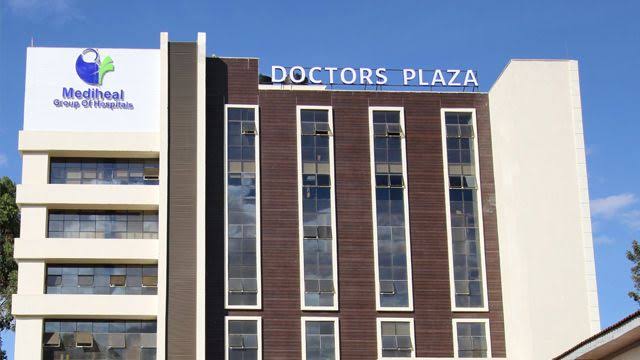
The High Court in Eldoret has dismissed Mediheal Hospital & Fertility Centre Ltd’s case against NCBA Bank, clearing the way for the lender to repossess medical equipment held under a master lease. Justice Reuben Nyakundi threw out the suit for want of prosecution after the hospital failed to push the matter for more than a year.
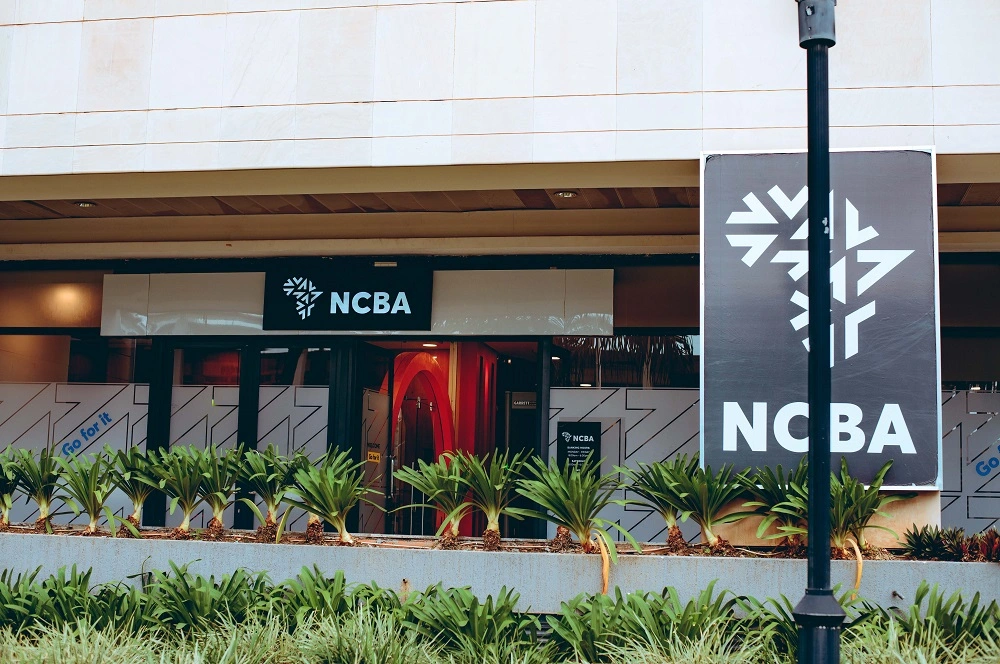
The Eldoret High Court dismissed Mediheal’s suit for want of prosecution on 20 January 2026, clearing NCBA’s path to recover leased medical equipment. Photo for illustration.
The decision is recorded as Mediheal Hospital & Fertility Centre Ltd v NCBA Bank & another (Commercial Civil Suit E003 of 2024) [2026] KEHC 226 (KLR). The hospital had sought orders to stop attachment and sale of machines after NCBA, acting through auctioneers, moved to recover leased assets.
What the court decided
Mediheal filed the case in May 2024 and obtained interim protection. The court later found that the hospital took no meaningful steps to prosecute the claim for a prolonged period. Justice Nyakundi described the delay as inexcusable and prejudicial to the defendants, then dismissed the suit with costs.
With the suit gone, the interim shield against repossession fell away. Court records and contemporaneous reporting treat that outcome as clearing the path for recovery of the disputed equipment, subject to whatever contractual and statutory steps the lease and law still require.
At the centre of the dispute sits a master lease agreement dated 9 August 2018. NCBA’s side of the case presented a group leasing entity as the owner of the equipment supplied under that lease. The lease was said to have been terminated for unpaid monthly rent, crystallising a contractual right to repossess.
| Item | Detail |
|---|---|
| Court | High Court at Eldoret |
| Case | Commercial Civil Suit E003 of 2024 |
| Ruling date | 20 January 2026 |
| Judge | Justice R.N. Nyakundi |
| Outcome | Suit dismissed for want of prosecution; costs to defendants |
| Core issue | Attachment / repossession of hospital equipment under master lease |
| Lease date (on record) | 9 August 2018 |
How the lease dispute unfolded
Mediheal went to court after auctioneers moved against hospital machines. The hospital wanted an injunction to stop interference with the equipment and to block auction steps. NCBA’s camp answered that the machines belonged to the lessor under the 2018 master lease and that default on rent had triggered repossession rights.
Earlier interlocutory stages in the same matter had already drawn the leasing interest into the file. By early 2026, the decisive finding was not a full trial on every lease clause. It was that Mediheal had left its own suit idle. Under the Civil Procedure Rules, a claim that sits without steps for a long period can be dismissed for want of prosecution. That is what happened.
Reporting on the ruling notes that the dismissal ends Mediheal’s live High Court bid to stop attachment and sale of the equipment in that suit. Any further repossession must still follow the procedures the lease and applicable law demand. Courts have previously flagged irregular process where notices or contractual steps were skipped. That point remains relevant for both sides.
Wider debt pressure on Mediheal
The NCBA lease fight sits inside a larger recovery wave against Mediheal and related parties. Separate High Court proceedings have allowed other lenders to advance auctions of property linked to the group.
- Bank of India (Kenya): The High Court has allowed recovery steps over arrears reported at about KSh 701 million on facilities secured on multiple properties.
- Bank of Baroda (Kenya): The court has permitted auction of Eldoret property to recover about KSh 173 million after lifting earlier restraints.
Those rulings are separate from the NCBA equipment case. Together they show a group under multi-creditor pressure: property charges, leased plant, and operational cash strain. Public reporting has also covered employment claims, rent distress actions and sharp cuts in activity at some sites after regulatory and commercial shocks.
Operations and patient services
Mediheal has been a major private provider in Eldoret and other towns, including fertility and specialised care. Court fights over core diagnostic and surgical machines matter because leased scanners, imaging and related tools sit at the centre of daily hospital work.
If repossession proceeds, capacity for diagnostics and procedures that depend on those machines can drop further. Branches have already faced scaling back under financial and regulatory pressure. Staff levels and service lines have been reported as heavily reduced at points of the crisis. Exact current headcount and service lists change with each site and should be checked against the hospital’s latest statements.
Separately, Mediheal has publicly denied organ-trafficking allegations and pointed to parliamentary and official processes. Those controversies damaged reputation and cash flow. They are distinct from the lease ownership and want-of-prosecution findings in the NCBA suit, but they form part of the operating backdrop.
Related:Mediheal Group of Hospitals — Branches, Contacts & Specialist Care Kenya | Business Listings Kenya
What Mediheal can still do
The High Court dismissal closes that particular suit. It does not invent new ownership rights for the hospital. Options that remain are limited and procedural.
Appeal and stay. Mediheal can file a notice of appeal and seek a stay of execution in the Court of Appeal. A stay is not automatic. The hospital would need to show an arguable appeal and risk of substantial loss if the equipment is taken while the appeal runs.
Process challenges. If NCBA or auctioneers skip required notices, timelines or contractual steps, the hospital can still object to defective process. The court record already treats proper procedure as part of lawful recovery.
Commercial settlement. The parties can still negotiate payment, restructuring or a consent order. That path depends on NCBA’s commercial appetite and Mediheal’s ability to fund a credible plan.
Insolvency routes. Administration under the Insolvency Act can trigger a moratorium on creditor action, but it is a heavy step with its own court and creditor controls. It is not a free pass to keep using leased assets without consent of the lessor or the court.
None of those routes reverse the fact that the High Court dismissed Mediheal’s own suit for inactivity.
Why the ruling matters
For lenders, the decision reinforces that leased medical equipment can be recovered when a lease is terminated for default, and that courts will not keep interim shields alive when the borrower abandons its case.
For hospitals and other operators that run on lease finance, the message is practical. Keep prosecuting disputes, keep payment records clean, and treat master leases as ownership structures that favour the lessor on default. For patients and staff, multi-creditor recovery against a large facility raises hard questions about continuity of care when machines and premises are under auction or repossession pressure.
NCBA can now move on recovery in line with the lease and the law. Mediheal’s remaining room for manoeuvre is narrow: appeal with a stay, police the procedure, settle, or face formal insolvency tools. The High Court file that tried to stop the attachment is closed.
Sources
- Kenya Law: Mediheal Hospital & Fertility Centre Ltd v NCBA Bank & another [2026] KEHC 226 (KLR)
- The Standard: Mediheal loses bid to stop sale of hospital equipment
- Business Daily: Mediheal loses bid to stop auction over Sh701m Bank of India loan
- Business Daily: Bank of Baroda allowed to sell Mediheal property over Sh173m debt
- Related High Court records on Mediheal / Bank of India recovery proceedings (Eldoret)
Updated with public court and media records available as of September 2026. Lease schedules, missing-asset claims and exact equipment lists should be confirmed from the full court file and parties’ documents where required.