








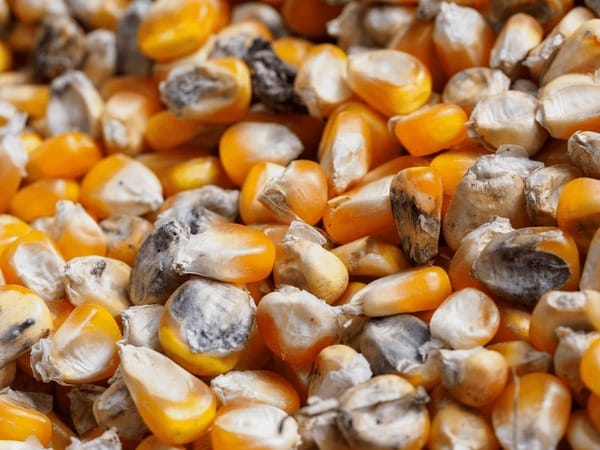
Grain samples collected from Kenyan markets have tested at aflatoxin levels up to 500 parts per billion, fifty times higher than the legal safety limit of 10 parts per billion. The alarming findings, released by the Kenya Agricultural and Livestock Research Organization during a World Food Safety Day event, have prompted fresh calls for urgent action on food safety standards and triggered an intensified crackdown by the Kenya Bureau of Standards on substandard cereals in the market.
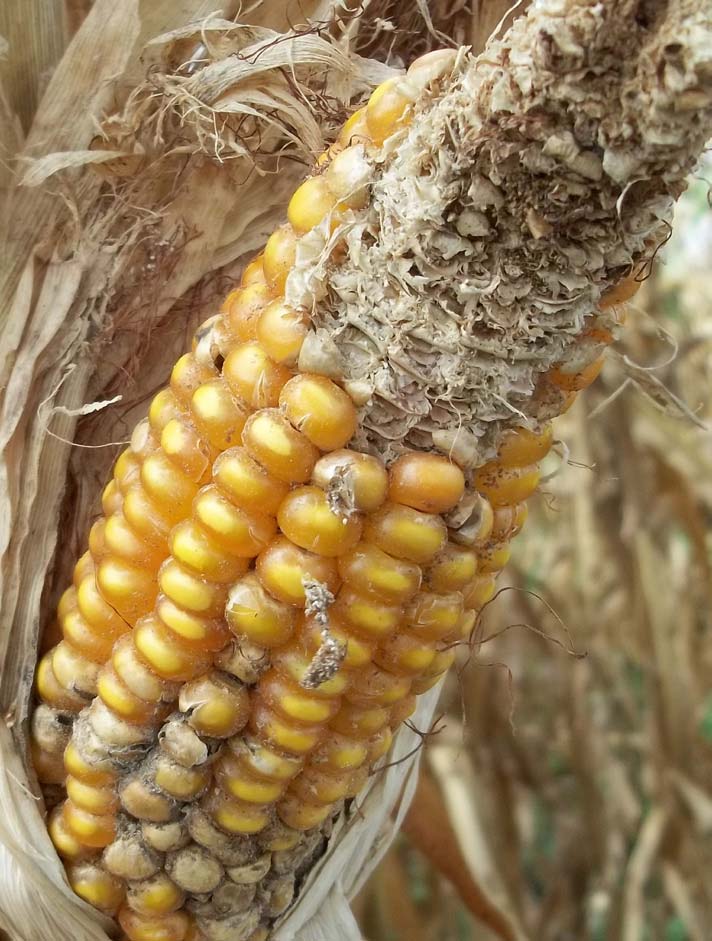
Aflatoxins are toxic compounds produced by fungi that grow on poorly stored crops. They are invisible, odourless, and undetectable without laboratory testing, making them particularly dangerous in markets where food safety checks are infrequent or unaffordable. Maize, sorghum, millet, and groundnuts are among the crops most commonly affected, all of them staple foods for millions of Kenyan households.
What the Test Results Show
KALRO Director General Dr. Patrick Ketiem delivered the findings at a World Food Safety Day event, and the numbers left little room for reassurance. Some market samples registered aflatoxin concentrations of 500 parts per billion, against a maximum legal threshold of 10 parts per billion set by both Kenyan regulations and the World Health Organization.
Dr. Ketiem was direct about what those numbers mean in practice. There are no exceptions to international safety standards, and anything above 10 parts per billion fails those standards completely. The scale of the exceedance found in some samples is not a marginal breach. It represents a severe and systematic public health failure.
Why the Problem Keeps Getting Worse
Experts point to three interconnected failures driving Kenya’s aflatoxin problem: poor post-harvest handling, inadequate drying of harvested crops, and poorly ventilated storage facilities. When grain is harvested and stored in conditions that trap moisture, fungal growth accelerates, and aflatoxin levels rise quickly.
The problem is compounded by the cost of testing. Dr. Ketiem highlighted that food safety tests remain expensive and largely out of reach for the small-scale farmers and traders who handle the majority of Kenya’s grain supply.
“Safety testing costs are keeping ordinary farmers in the dark and if we want safer food, testing services must become cheaper and easier to reach,” he said.
Without affordable access to testing, farmers cannot know whether their grain is safe, traders cannot verify what they are selling, and consumers have no way to make informed choices. The entire safety chain breaks down at the point where it should be strongest.
The Health Stakes Are Serious
Chronic exposure to aflatoxins carries well-documented and severe health consequences. Clinical research consistently links long-term consumption of contaminated food to liver cancer, weakened immune function, birth defects, and developmental delays in children. In a country where maize is a dietary cornerstone for most households, the public health implications of widespread contamination are significant.
Children are particularly vulnerable. Developmental exposure to aflatoxins during critical growth periods can cause lasting harm that no amount of later intervention can fully reverse. That reality gives the current contamination data an urgency that goes beyond regulatory compliance.
KEBS Responds With Enhanced Market Surveillance
Following KALRO’s findings, the Kenya Bureau of Standards has moved to step up its market surveillance operations. KEBS Quality Assurance Director Geoffrey Muriira confirmed that enhanced inspection protocols are now being deployed to ensure retail cereals meet established safety standards before they reach consumers.
Muriira framed food safety as a shared national responsibility, not just a regulatory function, and indicated that KEBS intends to drive that message across the entire agricultural and retail supply chain. The bureau has the authority to remove non-compliant products from shelves and take enforcement action against traders handling substandard grain.
Read also:2026 Western Region ASK Show: Governor Barasa Hosts ASK Team in Kakamega
Whether that enforcement effort reaches the scale needed to address a problem this widespread remains the central question. Market surveillance can intercept contaminated grain after it enters retail channels, but the more effective intervention is preventing contamination at the farm and storage level before produce ever reaches the market.
What Needs to Change
Addressing Kenya’s aflatoxin problem at its root requires investment in post-harvest infrastructure, affordable testing services, and farmer education on safe grain storage practices. The Ministry of Agriculture and development partners have run aflatoxin awareness programmes in the past, but the persistence of contamination at the levels KALRO has now documented suggests those efforts have not yet translated into consistent change on the ground.
Making safety testing accessible and affordable for smallholder farmers is not a luxury intervention. It is the practical foundation on which any meaningful food safety improvement depends. Until that changes, consumers across Kenya will continue buying grain with no reliable way of knowing whether it is safe to eat.