


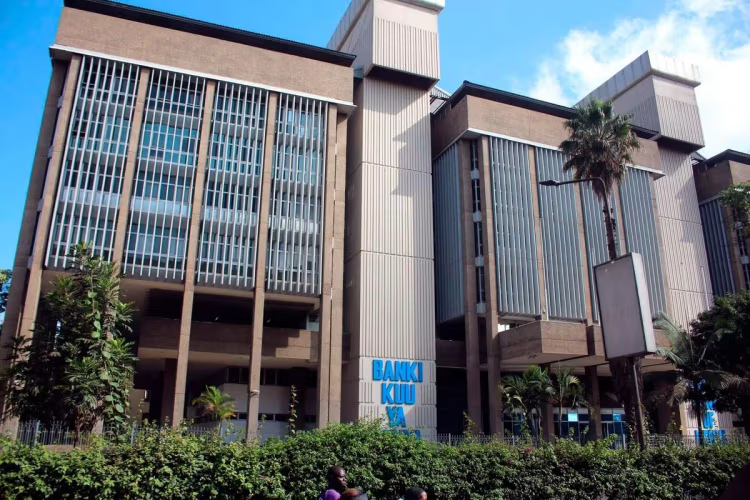
The Central Bank of Kenya regularly reopens tax-free Infrastructure Bonds to fund government infrastructure projects, and these offers remain some of the most attractive fixed-income products available to Kenyan investors. A newly announced tap sale is reportedly targeting Sh150 billion across three reopened bond issues, though I was unable to independently verify the exact coupon rates, maturity dates, and auction timeline circulating for this specific offer, so treat those specific figures with caution until CBK’s official prospectus is checked directly.
What is well established, based on CBK’s published prospectuses and recent auction history, is how these bonds work, why they consistently attract strong demand, and what you need to do to participate.
Why Infrastructure Bonds Attract So Much Demand
Infrastructure Bonds carry a statutory tax exemption. Under Kenya’s Income Tax Act, interest income from IFBs with a tenor of three years or more is fully exempt from withholding tax, unlike ordinary Treasury bonds which attract 10 to 15 percent withholding depending on tenor. That exemption alone makes IFBs meaningfully more attractive than comparable fixed-income products.
Recent CBK auctions have seen yields ranging from 13 to 16 percent for tenors between 6 and 15 years. Combined with sovereign credit backing and long maturities, this has made IFBs a consistently oversubscribed product, with past reopenings drawing bids well above the amount on offer.
How the Amortisation Structure Works
Most Kenyan infrastructure bonds do not pay back the full principal in one lump sum at maturity. Instead, they typically redeem 50 percent of the outstanding principal partway through the bond’s life, with the remaining 50 percent settled on the final maturity date. This structure reduces the government’s repayment burden at any single point and gives investors a partial capital return earlier than a standard bullet bond would.
Investors holding smaller amounts, often Sh1 million or less per Central Depository System account, have in past issues received full redemption during the amortisation date rather than the standard 50 percent, a detail worth checking on the specific prospectus for any bond you are considering.
How to Actually Buy One
To participate in an infrastructure bond auction, you need a Central Depository System account with CBK, separate from the CDSC account used for shares on the Nairobi Securities Exchange. You can open one at any CBK branch in Nairobi, Mombasa, Kisumu, Eldoret, or Nakuru, or through a participating commercial bank via the CBK Treasury Mobile Direct service.
You will need your National ID or passport, a passport photo, your KRA PIN certificate, a completed CDS account opening form, and the bank details for coupon and principal payments. Kenyans in the diaspora can open a CDS account through their commercial bank’s diaspora desk, with documents notarised at a Kenyan embassy.
Minimum Investment Amounts
Non-competitive bids, the simpler route most retail investors use, have typically started at a minimum of Sh50,000 in recent CBK offers, with a ceiling around Sh50 million per account. Competitive bids, generally used by institutional investors placing specific interest rate demands, have started at Sh2 million per account in past auctions.
These thresholds can vary by specific issue, so always confirm the exact minimum and maximum bid amounts in the official prospectus published on CBK’s Treasury Bonds Prospectuses page before submitting a bid.
Read also:National Bank of Kenya (NBK) — Retail & Corporate Banking, Harambee Avenue
What to Check Before You Bid
CBK publishes its monthly auction calendar and full prospectus for each bond issue directly on its website, typically two to four weeks before the auction date. Before committing funds to any reported infrastructure bond offer, verify the coupon rate, maturity date, application deadline, and settlement date directly against the official CBK prospectus rather than relying solely on secondary reporting, since terms are sometimes summarised inconsistently across different news outlets.
Given the scale of capital these offers typically attract and the tax-free returns on offer, infrastructure bonds remain one of the more compelling options for Kenyan investors seeking stable, long-term fixed income, provided you confirm the specific terms directly before bidding.