






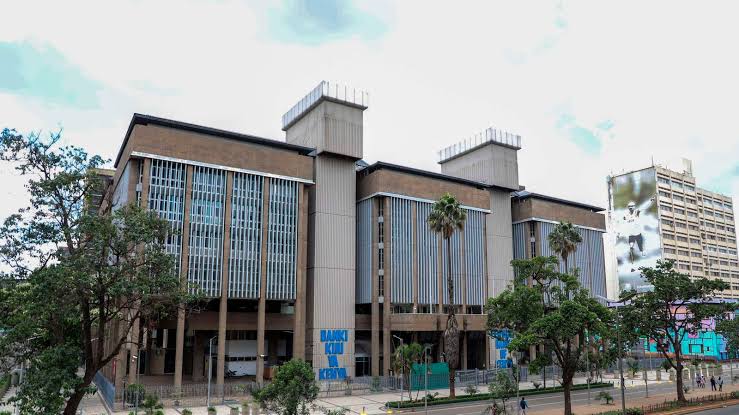
Kenya’s Monetary Policy Committee met on August 11, 2026, to decide the fate of the country’s benchmark interest rate, with the outcome due to be announced by Governor Kamau Thugge on Wednesday, August 12, at 11:30 a.m. The Kenya Bankers Association has already made its position clear, lobbying hard for the Central Bank Rate to stay right where it is, at 8.75 percent.
This is the third consecutive MPC meeting where a hold looks like the most likely outcome, following back-to-back decisions in April and June to keep rates unchanged. Whether Thugge’s committee agrees with the bankers this time will shape borrowing costs for households and businesses well into the rest of 2026.
Why Bankers Want the Rate Left Alone
The Kenya Bankers Association’s case for holding rests on three things: inflation has stayed relatively contained, private sector credit growth is picking back up, and the shilling has held steady. Inflation ticked up to 6.5 percent in July 2026, still comfortably within the Central Bank of Kenya’s target band of 2.5 to 7.5 percent, even if the direction of travel has bankers watching closely.
According to The Kenya Times, the July inflation increase was largely driven by higher prices in transport, food and non-alcoholic beverages, and housing, water, electricity, gas and other fuels, the same cost-of-living pressures that have been squeezing Kenyan households for much of the year. Bankers argue that cutting rates now, with inflation already nudging upward, would risk adding fuel to that fire.
A Year and a Half of Cutting, Then Two Pauses
Context matters here. Thugge’s committee cut the CBR ten times over roughly eighteen months, bringing it down from a 12-year high of 13 percent in June 2024 to its current 8.75 percent by early 2026. That was one of the most aggressive easing cycles the CBK has run in years, aimed squarely at reviving credit growth and stimulating an economy that had been starved of affordable borrowing.
Since February 2026, though, the committee has hit pause, holding steady at both its April and June meetings. At the June meeting, Thugge cited the “potentially transitory nature” of global oil price shocks tied to Middle East tensions as a reason for caution, while noting the MPC would keep monitoring the situation and “stands ready to take further action as necessary.”
What’s Actually at Stake for Borrowers
The Central Bank Rate is what CBK charges commercial banks for short-term lending, and it acts as the anchor for borrowing costs across the entire economy. When the CBR moves, mortgage rates, business loans, and personal credit typically follow, sometimes within days.
Governor Thugge has been unusually direct about this transmission mechanism in recent months. Speaking at the East Africa Banking School Conference in July, he stated plainly that commercial banks are expected to adjust their lending rates immediately whenever the MPC changes the CBR, regardless of direction. “I know when we change the policy rate up, you will react immediately. That is guaranteed. But should the time come when we lower the interest rate, we would be expecting the banks also to lower their interest rates immediately,” he said.
That statement carries weight for anyone with a loan tied to the CBR. If Wednesday’s decision brings a cut, Thugge has essentially put banks on notice that delays in passing on lower rates will not be tolerated quietly.
Read also:CBK Infrastructure Bonds: What Kenyan Investors Should Know
The Case for Cutting Further
Not everyone agrees a hold is the safer bet. Speaking to Bloomberg in February, Thugge himself said there was “scope for additional easing to stimulate the economy a bit more without having inflationary pressures,” provided the global environment stayed roughly where it was. Private sector credit growth has been recovering, and non-performing loans have been trending down, falling from 17.6 percent in August 2025 to lower levels by May 2026, according to CBK’s own data.
Those improving credit conditions could give the committee room to cut again if it judges inflation risks manageable. But July’s inflation uptick, and the bankers’ public push for stability, suggest the more cautious path is the one most analysts expect Thugge to take on Wednesday.
When and Where to Get the Actual Result
The official decision, along with Thugge’s full press briefing, will be published on the CBK’s Monetary Policy page and broadcast live on Wednesday, August 12, 2026. Kenyan businesses, mortgage holders, and anyone watching the shilling would do well to tune in, since whichever way the MPC goes, the ripple effects will show up in loan offers and bank statements soon after.