







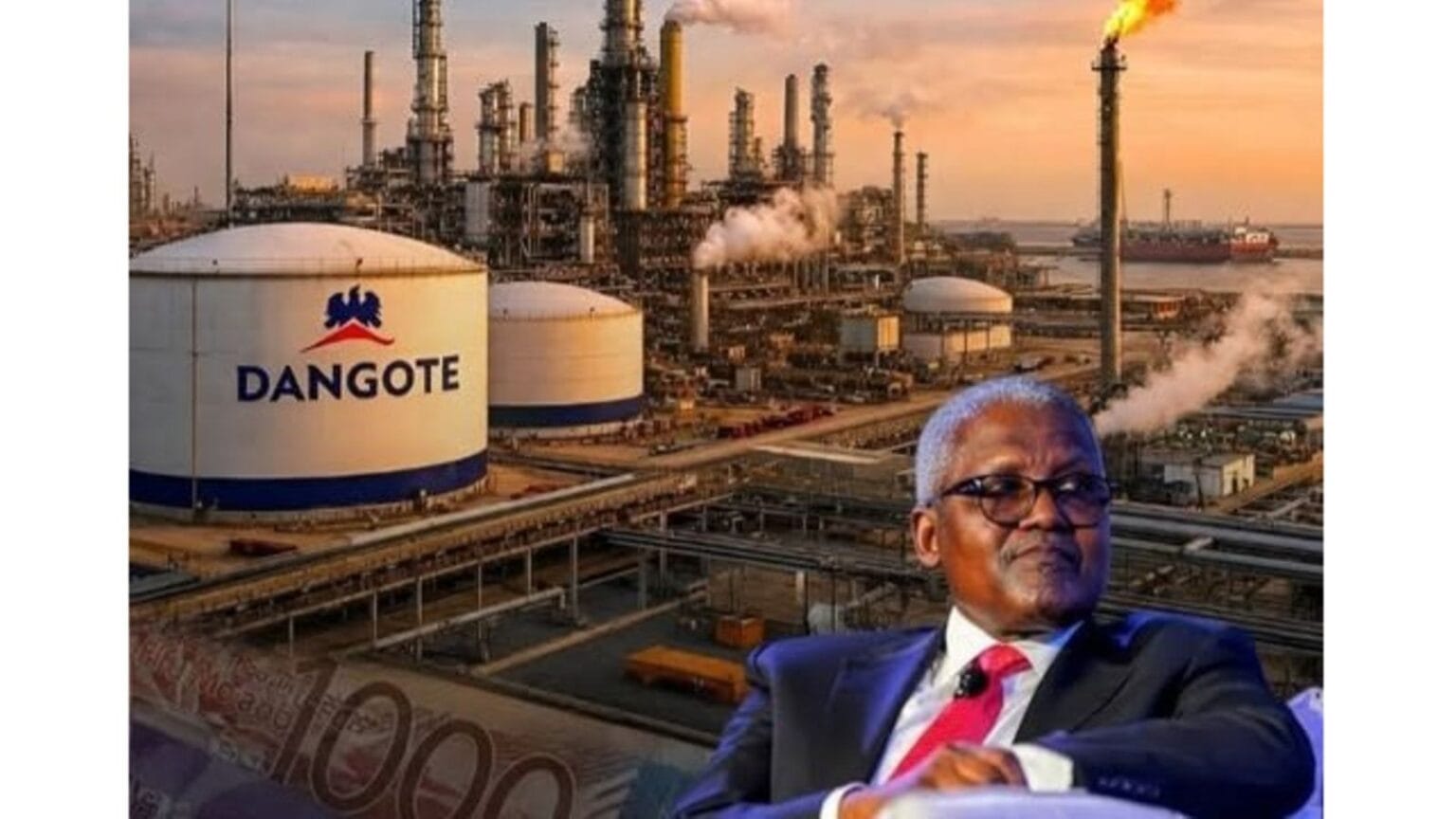
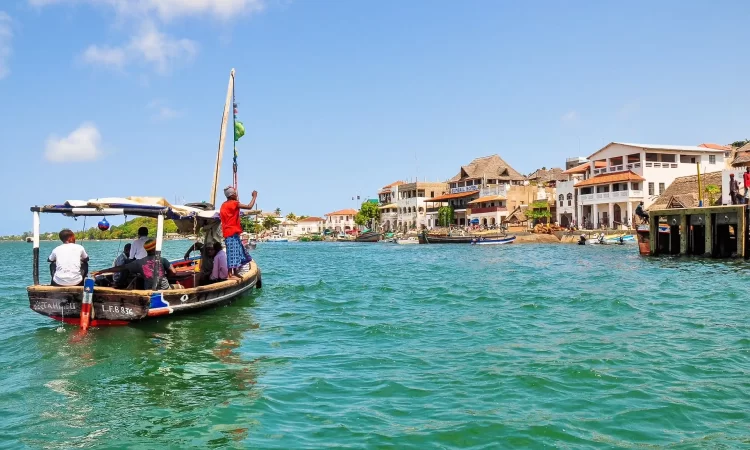
The wait is over. Dangote has confirmed Lamu, Kenya as the site for its long-anticipated East African mega-refinery, ending months of speculation over whether Mombasa or Tanzania’s Tanga port would win out instead.
Devakumar Edwin, Dangote Industries‘ Group Vice President for Oil and Gas, confirmed the decision on Tuesday, telling AFP the coastal town beat out competing sites on commercial and technical grounds. Preliminary works, including site scoping, surveying, and soil testing, have already begun on the Kenyan coast.
Inside the Numbers
The Lamu facility will process 700,000 barrels per day, making it the largest refinery in East Africa once complete. It will mirror the single-train design of Dangote’s flagship Lekki refinery in Nigeria, which came online in 2024 with a 650,000 bpd nameplate capacity.
The project carries an estimated price tag of $17 billion to $20 billion, or roughly Ksh2.2 trillion to Ksh2.59 trillion. Construction is expected to take 30 months to 3 years, positioning the refinery to come online well before the end of the decade.
A Long Road to Lamu
This wasn’t the plan’s first stop. Dangote originally floated Tanzania’s Tanga port as the site for a joint East African refinery, then shifted his sights toward Kenya, weighing Mombasa before ultimately settling on Lamu.
Dangote cited superior port infrastructure, better maritime access, and stronger regional fuel demand as the deciding factors. He also extended an invitation to Tanzania to participate in the Lamu investment, despite the refinery landing on Kenyan soil.
Feeding the Refinery: The Lokichar Pipeline
The Lamu refinery won’t stand alone. It will connect directly to the planned 800-kilometre Lokichar-to-Lamu Crude Oil Pipeline, designed to carry waxy crude from Turkana County’s South Lokichar Basin straight to the coast.
That pipeline matters for timing too. Kenya expects to begin commercial oil production from South Lokichar by the end of December 2026, giving the refinery a domestic crude source once both projects are running.
What It Will Produce
The refinery’s output slate is built around cutting East Africa’s reliance on imported fuel. Expect high volumes of gasoline and diesel alongside jet fuel and LPG for cooking gas.
Read also:Dangote Refinery Hits 700,000 Barrels Per Day, Eyes 1.4 Million Capacity
The plant will also produce polypropylene, a petrochemical feeding local industrial and manufacturing use. Combined, the output is designed to serve not just Kenya but also Tanzania, Uganda, South Sudan, and other neighbouring markets.
Why This Matters for the Region
Kenya has already put skin in the game, designating Ksh21.5 billion in seed capital toward the project, according to President William Ruto. Regional governments are expected to co-invest as well, reflecting the refinery’s role as shared East African infrastructure rather than a purely Kenyan asset.
For context, Dangote’s Nigerian refinery has already reshaped that country’s fuel market, cutting import dependence and even exporting aviation fuel to the US, Europe, and Brazil. A similar shift in East Africa would mark a major change for a region that currently imports nearly all its refined petroleum products.
Dangote’s Lamu refinery confirmation locks in Kenya’s position as East Africa’s emerging energy hub, backed by a project that could reshape regional fuel security once complete. With construction now beginning and the Lokichar pipeline advancing in parallel, the coming 30 months will be worth watching closely.
Expect further announcements on financing structure and construction milestones as the project moves from planning into execution.