
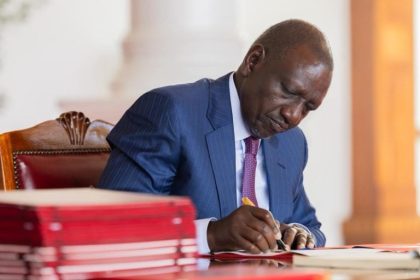







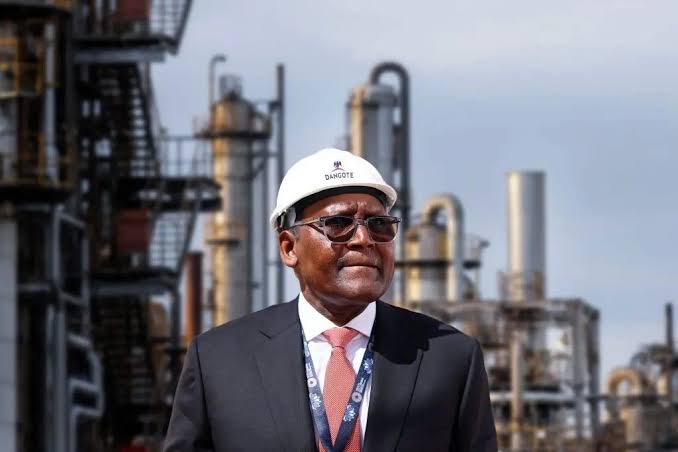
Aliko Dangote is pursuing debt financing worth Sh1.45 trillion, roughly $11.2 billion, to cover 70 percent of his proposed oil refinery on Lamu Island. The total project cost now sits at about Sh2 trillion, or $16 billion, with groundbreaking scheduled for no later than October 2026, according to Business Daily.
That $16 billion figure is already down from an earlier estimate. Dangote told the BBC the project was originally pegged at around $17 billion, but efficiencies picked up from building his Lagos refinery, along with faster construction timelines and lower financing costs, trimmed that down. It’s a notable admission from a businessman not known for underselling his ambitions, and it suggests the Lagos build taught his team lessons specific enough to shave a full billion dollars off a project still in its planning stage.
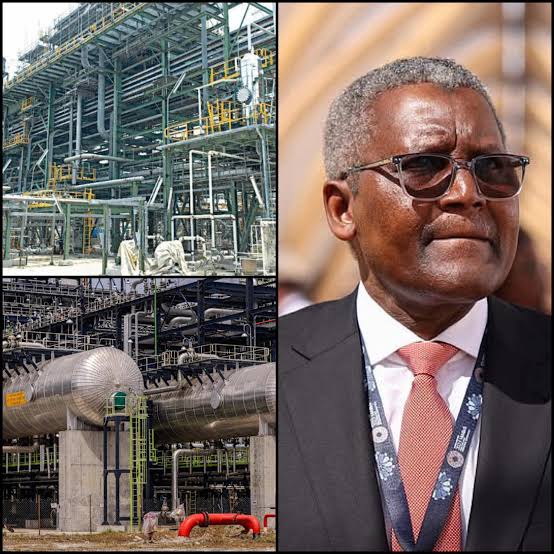
How the Money Breaks Down
The financing follows a standard heavily leveraged model used for large infrastructure projects worldwide:
- Debt (70%): about Sh1.45 trillion, sourced from international lenders and financial consortia.
- Equity (30%): about Sh621 billion, provided directly by shareholders including Dangote himself.
Debt-heavy structuring like this isn’t unusual for projects of this scale. It lets sponsors keep control and ownership rather than diluting future profits through equity, and the debt obligation ends once repaid. President William Ruto has also confirmed Kenya will contribute through the National Infrastructure Fund, and the government has separately opened talks with stock exchanges in Kenya, South Africa, Egypt, Ghana, and Rwanda about letting local investors buy into a related Dangote Petroleum IPO, which could pull in as much as $500 million from Kenyan capital markets alone. That detail rarely makes headlines, but it means ordinary Kenyan investors may get a direct stake in this project, not just the jobs and fuel supply benefits.
Why 700,000 Barrels a Day Matters
The refinery is designed to process 700,000 barrels of crude daily, which would make it the largest in East Africa and even larger than Dangote’s flagship Lagos refinery, built for 650,000 barrels a day. That Lagos facility only reached its full nameplate capacity in early 2026, which is worth keeping in mind: even Dangote’s most experienced team took years to hit full output on a smaller plant, so Lamu reaching 700,000 barrels a day on schedule is an ambitious bar, not a guaranteed one.
Crude supply for the refinery is expected to come from two main sources: Uganda’s oil fields, transported via the East African Crude Oil Pipeline through Tanzania, and eventually Kenya’s own Turkana fields. The plant will also have the flexibility to import crude by sea through Lamu Port itself, which gives it a fallback if regional pipeline supply lags behind construction timelines.
The Regional Export Play
Lamu was chosen partly for its deep-water port and its direct link to the LAPSSET corridor, which extends reach into South Sudan and Ethiopia on top of Kenya, Uganda, and Tanzania. Dangote has also said the refinery could eventually supply Egypt, positioning it as a genuinely continental project rather than a Kenya-only facility. President Ruto framed the strategic logic bluntly, saying the region no longer wants to be at the mercy of shipping routes like the Strait of Hormuz for its fuel supply.
That regional ambition comes with a catch Dangote himself has flagged. He’s told the Financial Times the refinery needs firm political commitments and market protection from East African governments to survive against cheaper dumped fuel from international suppliers. In plain terms, a refinery this size doesn’t work if neighboring countries can undercut it with subsidized imports the moment it comes online, so the project’s long-term viability depends as much on regional trade policy as on the engineering.
Also read:Dangote Picks Lamu, Kenya for 700,000 bpd Refinery
Pushback on the Ground
Not everyone in Lamu is on board. Local activists and environmental groups have raised fresh concerns about marine ecosystem disruption and what they describe as inadequate community consultation ahead of construction. Kenya’s government estimates the completed hub will create up to 60,000 direct and indirect jobs, but that projection means little to residents worried about fishing grounds and coastal ecosystems being disrupted before those jobs materialize. How the government and Dangote’s team address that friction over the next few months will likely shape how smoothly the October groundbreaking actually proceeds.