






Kenyan households and businesses will pay more for electricity in August after the Energy and Petroleum Regulatory Authority (EPRA) approved a combined increase of KSh 4.7027 per kilowatt-hour (kWh) for meter readings taken during the month.
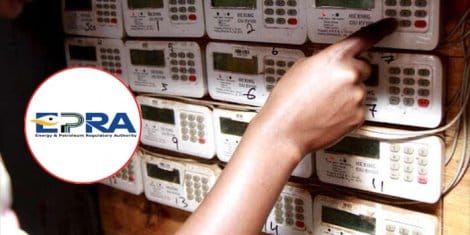
The increase affects both prepaid and postpaid customers. Prepaid users will receive fewer electricity tokens for the same payment, while postpaid customers may see higher bills if their consumption remains unchanged.
EPRA’s adjustment consists of three pass-through charges linked to the cost of generating and purchasing electricity. The charges were gazetted on Friday, August 14, 2026, and apply to electricity consumed during August.
Breakdown of New Charges
The largest component is the Fuel Energy Cost Charge (FCC), which has been set at KSh 3.51 per kWh. The charge reflects the cost of fuel used by thermal power generators during the previous billing period.
Thermal plants usually support the electricity grid when demand is high or when other generation sources cannot supply enough power. Because the cost of fuel changes, the FCC can increase or decrease from one month to another.
| Charge | Rate | What it covers |
|---|---|---|
| Fuel Energy Cost Charge | KSh 3.51 per kWh | Fuel used in thermal electricity generation |
| Foreign Exchange Rate Fluctuation Adjustment | KSh 1.1777 per kWh | Costs linked to foreign-currency movements |
| WRMA levy | KSh 0.015 per kWh | Hydropower-related water-resource management |
| Total adjustment | KSh 4.7027 per kWh | Combined August pass-through charges |
Forex Adjustment Explained
The second component is the Foreign Exchange Rate Fluctuation Adjustment (FERFA), set at KSh 1.1777 per kWh. It is used to recover additional costs caused by changes in the exchange rate when electricity purchases or related obligations are denominated in foreign currency.
Kenya’s power sector relies on contracts and equipment that can involve foreign currencies. When the shilling loses value against currencies such as the US dollar, the cost of servicing those obligations can rise, putting pressure on the electricity tariff.
Reports on the August adjustment state that the forex component relates to losses of approximately KSh 1.35 billion. Consumers should note that this figure needs to be read together with EPRA’s official notice and supporting calculations, since the adjustment may cover more than one power-sector obligation.
WRMA Levy Included
EPRA has also applied a Water Resources Management Authority levy of KSh 0.015 per kWh to hydro-generated electricity. The levy supports activities connected to the management and regulation of water resources used by hydropower facilities.
Although the levy is much smaller than the FCC and FERFA, it forms part of the total pass-through adjustment appearing in the August electricity charges.
Effect on Power Bills
The direct impact will depend on a customer’s tariff category, electricity consumption, taxes, levies, and the applicable Kenya Power billing components. Customers using more electricity will feel the effect more sharply because the pass-through charges are calculated per kilowatt-hour.
For prepaid customers, the increase means a standard token purchase will buy less electricity than it did previously. A customer who normally purchases KSh 1,000 worth of tokens may therefore need to spend more to obtain the same number of units.
Postpaid customers should compare their August bill with their previous statement while checking both consumption and the tariff components. A higher bill may result from increased usage, the new pass-through charges, or both.
Reports have cited an estimated bill of about KSh 2,877 for a domestic customer consuming 100 kWh, compared with approximately KSh 2,832 in July. That comparison should be treated as an estimate until the applicable 2026 tariff schedule and all taxes are confirmed in the official billing calculation.
Why Charges Change Monthly
Electricity consumers in Kenya do not pay a fixed generation-related charge throughout the year. EPRA reviews several pass-through costs and publishes adjustments that reflect changes in fuel prices, currency movements, and other approved expenses.
This system allows the regulator to adjust charges without changing the entire tariff structure each month. It also means consumers can experience higher or lower bills even when their electricity usage remains stable.
Fuel costs have a particularly visible effect when thermal generators supply a larger share of the national grid. The cost is then reflected through the FCC, which can raise the amount paid per unit.
Read also:Electricity Bills in Kenya Rise by Ksh3.87 per Unit This Month
How Customers Can Manage Costs
Households can limit the impact by identifying appliances that consume the most power. Water heaters, electric cookers, irons, refrigerators, pumps, and heating devices can significantly affect monthly consumption.
Customers can also switch off appliances instead of leaving them on standby, replace inefficient bulbs with LED alternatives, and avoid using damaged or poorly maintained equipment. Businesses should review lighting, refrigeration, machinery, and air-conditioning schedules.
Prepaid customers should monitor their token purchases and record the number of units received after each payment. This can help identify unusual changes and provide useful information when raising a query with Kenya Power.
Where to Check the Notice
Consumers should consult the EPRA electricity tariff overview for official tariff information and related regulatory updates.
Customers with billing or token concerns should use Kenya Power’s official customer-service channels. They should keep their meter number, transaction details, account information, and recent readings available when submitting a complaint.
News reports from Kenyans.co.ke and TUKO.co.ke have reported the combined KSh 4.70 per kWh increase and its three components.
What Happens Next
The August charges will apply to meter readings recorded during the stated billing period. EPRA’s next adjustment will depend on fuel costs, foreign-exchange movements, hydropower-related charges, and other approved pass-through expenses.
Consumers should therefore check their bills and token balances rather than relying on a single estimated amount. The final cost will vary according to individual usage and the customer’s tariff category.