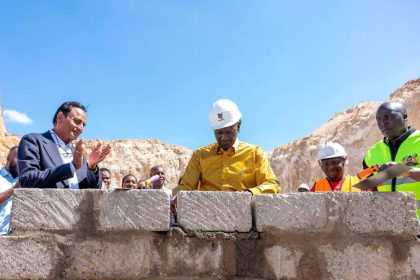




President William Ruto on Tuesday, 27 October 2026, broke ground for a Sh70 billion clinker and cement plant at Ngaaie in Mwingi North, Kitui County. The project, developed by Devki Group under industrialist Narendra Raval, is Kitui’s first cement manufacturing facility.
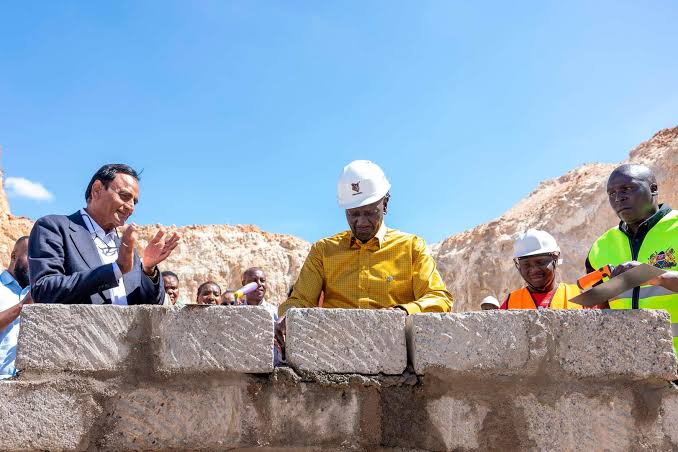
Raval told the gathering that Devki has invested Sh70 billion in the project and is currently employing 4,000 Kenyans on site. Construction began in September 2026. The company expects the plant to be operational by mid-2027, with some reports pointing to August 2027.
The facility will process local limestone deposits into clinker, the key intermediate material used to make cement. Once complete, it is designed to produce three million tonnes of clinker a year. This will raise Devki Group’s overall production capacity to about 9.2 million tonnes, according to Business Daily reporting on the same day.
Project Details
| Item | Details |
|---|---|
| Investment | Sh70 billion ($539 million) |
| Location | Ngaaie, Mwingi North, Kitui County |
| Developer | Devki Group / National Cement Company |
| Annual clinker capacity | 3 million tonnes |
| Construction jobs | 4,000 (current) |
| Expected start of operations | Mid-2027 / August 2027 |
| Status | Groundbreaking held 27 October 2026; construction under way |
Raval said the company had planned the plant for about ten years because of the limestone deposits in the area. He told residents of Ngaaie that he had redirected the project there so that local people would benefit directly from employment. He stated that the company had spent hundreds of millions of shillings on land and an access road, which it intends to tarmac after the rains.
What Ruto Said
Ruto linked the project to broader industrialisation goals. He said producing clinker locally would keep more value inside the Kenyan economy, create skilled jobs and reduce reliance on imports. He noted that previous attempts by other companies to set up cement plants in the same area had stalled because of bureaucratic delays, demands for bribes and extortion.
The President praised Raval for remaining committed despite those pressures. He urged local leaders and communities to support investors and focus on the jobs and business opportunities the plant would bring. He also called for fair treatment of workers, responsible use of water, dust control and proper rehabilitation of mined land once operations begin.
Ruto added that major projects such as the planned Dangote refinery in Lamu would require large quantities of cement, creating additional demand for locally produced material.
Context in the Cement Industry
The Kitui plant is part of a wider expansion race among Kenya’s major cement producers. Devki has already commissioned a large clinker facility in West Pokot. Other producers, including National Cement, Bamburi, Rai Cement and smaller players, have also announced capacity increases in recent years.
Kenya’s cement production rose 18 percent to 10.44 million tonnes in 2025, according to figures cited by the President at the ceremony. Output in the first eight months of 2026 was also higher than the same period the previous year. Local clinker production reduces the country’s exposure to imported raw material and supports the government’s push for greater industrial self-reliance.
Whether the new capacity leads to lower retail cement prices will depend on overall demand from housing, roads and other infrastructure projects, as well as the cost of energy and logistics. The plant will include its own power generation, with reports indicating a 35 MW plant plus additional capacity from heat recovery.
Local Impact in Kitui
For Kitui County, the project is the largest private industrial investment to date. Construction jobs are already under way. Once operational, the plant is expected to create several thousand permanent positions and business opportunities for transporters, suppliers and service providers in the surrounding area.
Residents of Ngaaie had raised questions about whether local people would be employed. Raval responded that the company had hired from the area and that jobs were available on site. The long-term benefit will depend on how many of the permanent roles go to residents of Kitui and how well local businesses are able to supply the factory.
The plant will use limestone that has been known in the area for years. Earlier attempts by other investors to develop similar projects did not proceed. Ruto said the government would protect genuine investors from extortion and unnecessary delays.
Also read:Aliko Dangote Acquires 24.76% Stake in Kenya Pipeline Company for KSh 42.5 Billion
Bottom Line
The Sh70 billion Devki plant in Ngaaie gives Kitui County its first cement factory and adds significant clinker capacity to the national industry. Construction is already employing 4,000 people, with operations targeted for mid-2027.
The project strengthens local production of a key construction material, but the full economic effect will depend on completion timelines, actual employment of local residents, and how the extra capacity interacts with demand from ongoing infrastructure projects.
Sources:
- Business Daily Africa – Devki’s Sh70bn cement plant escalates billionaire battle (27 October 2026)
- Citizen Digital – President Ruto breaks ground for Ksh.70 billion Devki plant in Kitui
- People Daily – Billionaire Narendra Raval: Devki has hired 4,000 Kenyans at Kitui project
- The Star – Ruto breaks ground for Sh70 billion cement plant in Kitui
- The Eastleigh Voice – Kitui set to get first cement plant following Sh70 billion Devki investment
This article is based on statements made at the 27 October 2026 groundbreaking and reporting published the same day. Figures for total group capacity and exact operational start dates vary slightly across sources and should be treated as company and government estimates.