
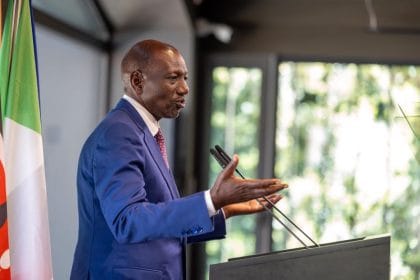



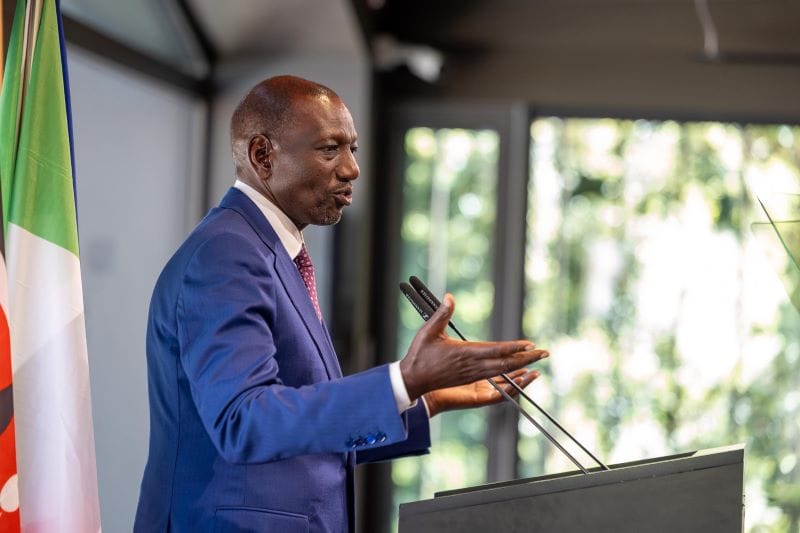
President William Ruto on Tuesday, 6 October 2026, presided over the signing of a Memorandum of Understanding between the Government of Kenya and Endelevu Enterprise Corporation for a proposed $3 billion (about KSh 388–390 billion) integrated green mobility project. Geely Auto Group is the strategic manufacturing partner.
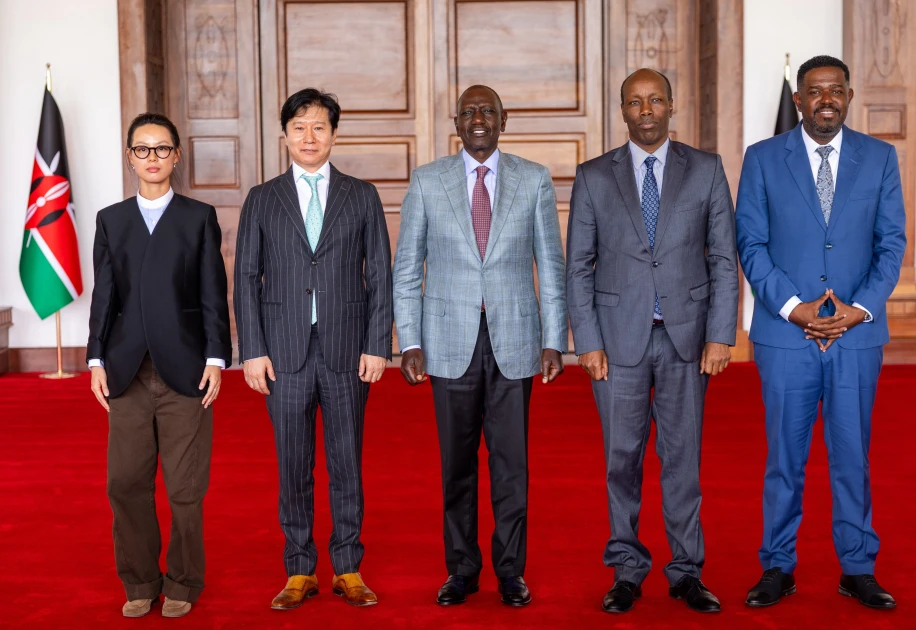
The ceremony was held at State House, Nairobi. The framework covers electric vehicle assembly, solar-powered charging infrastructure and a digital management platform. Ruto called it one of the largest electric mobility commitments in the region and a step away from importing finished vehicles toward local value addition.
An MoU is a framework. Plant sites, final financing, construction timelines and actual production still depend on follow-on agreements, land, permits and capital mobilisation.
What the Framework Covers
According to the President’s remarks and official reporting, the proposed ecosystem includes:
Swipe left and right on mobile →
| Component | Proposed scale |
|---|---|
| Four-wheel EV assembly plant | Up to 50,000 vehicles a year |
| Two-wheel and light mobility plant | Up to 100,000 motorcycles, two-wheelers and light-mobility units a year |
| Charging network | 1,000 solar-powered charging hubs nationwide |
| Digital platform | Designed to monitor and manage up to 100,000 green vehicles |
| Proposed investment | About $3 billion (roughly KSh 388–390 billion) |
Endelevu Enterprise Corporation is the local party on the MoU. Geely Auto Group, the Chinese manufacturer, is the technology and manufacturing partner for the proposed ecosystem.
Jobs and Economic Pitch
Ruto framed employment in three layers:
- About 2,000 direct jobs on the assembly lines (engineering and technical roles)
- More than 20,000 indirect jobs among suppliers, logistics firms and service providers
- Up to 80,000 further opportunities in fleet management, operations and related services, including technicians, engineers and boda boda riders who keep more of what they earn
“Behind these numbers are people,” he said. Exact outcomes will depend on when plants are built, how much local content is achieved and how fast charging and digital services scale.
The President tied the MoU to a familiar industrialisation argument: Kenya has long paid hard currency for finished vehicles and fuel, and with every shipment has exported jobs that could have been created at home. The aim is local assembly first, then deeper manufacturing over time.
Policy Backdrop and Regional Ambition
The deal sits alongside Kenya’s National Electric Mobility Policy and other incentives already announced, including duty concessions on electric vehicles and public-sector EV procurement for selected security and administration uses.
Ruto said vehicles built in Kenya that meet East African Community Rules of Origin would gain access to a regional market of hundreds of millions of people. The stated ambition is manufacturing for East Africa and the wider continent, not only the domestic market.
“We do not want to assemble for one market. We want to manufacture for East Africa and for Africa,” he told Endelevu and Geely.
The Ministry of Investments, Trade and Industry, through Invest Kenya, was directed to facilitate land allocation, infrastructure connections and regulatory fast-tracking so the project can move from MoU to implementation.
What to Watch Next
- Site selection and land for the two assembly plants
- Definitive agreements and financing close beyond the MoU
- Local content, skills transfer and supplier development
- How the 1,000 solar charging hubs will be rolled out and powered
- Whether EAC Rules of Origin thresholds are met for duty-free regional access
Large industrial MoUs often take years to become operating factories. Progress will be judged by groundbreaking, equipment orders, hiring and actual vehicle output, not by the signing ceremony alone.
Read also:Kenya Targets 15% Manufacturing GDP Share by 2027
Bottom Line
On 6 October 2026 Kenya signed an MoU with Endelevu Enterprise Corporation, partnered with Geely Auto Group, for a proposed $3 billion green mobility ecosystem: EV assembly plants (up to 50,000 four-wheel and 100,000 two-wheel units a year), 1,000 solar charging hubs and a digital platform for up to 100,000 vehicles. Projected employment is about 2,000 direct jobs, more than 20,000 indirect jobs and up to 80,000 further opportunities in fleet and related services if the project is fully delivered.
This is a framework for investment, not a finished plant. Follow-on contracts, financing, land and execution will decide whether Kenya becomes the regional EV manufacturing hub the ceremony was meant to signal.
Sources: Citizen Digital / PCS – Ruto presides over signing of Ksh.389 billion electric vehicle investment deal (6 October 2026); People Daily – Kenya signs Ksh390B electric vehicle manufacturing deal; The Standard – Ruto unveils Sh390bn Geely electric mobility plan; Nairobi Leo – Gov’t Signs Ksh388.2 Billion Deal to Build Electric Vehicles Locally.