






Rwanda’s first bulk fuel shipment under a new Kenya transit framework docked at the Port of Mombasa on 29 September 2026. The oil tanker MT Sea Wolf berth at Kipevu Oil Terminal 2 with 40,000 metric tonnes of refined petroleum for the Rwanda National Energy Company (RNEC), a volume Energy Cabinet Secretary Opiyo Wandayi described as close to one month of Rwanda’s national fuel consumption.
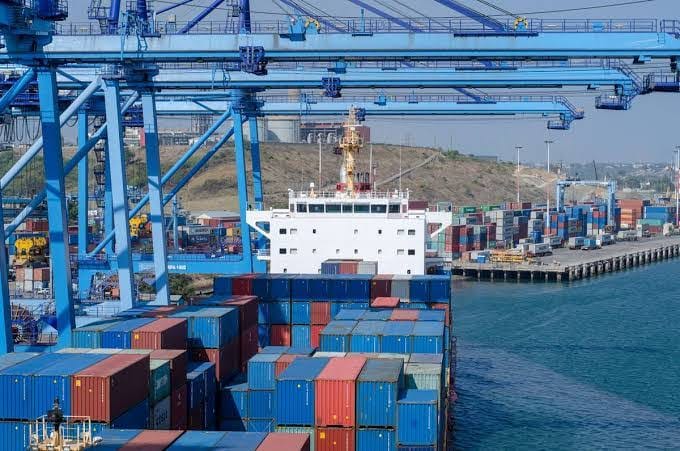
The arrival activates the Northern Corridor route for Rwanda’s bulk refined petroleum imports. It follows framework agreements Kenya and Rwanda signed in Nairobi on 29 June 2026. Reporting on the vessel also links the cargo to supply from Oman.
What Arrived and Who Was There
Mobile: Swipe left / right → ←
| Detail | Information |
|---|---|
| Date | 29 September 2026 |
| Vessel | MT Sea Wolf |
| Cargo | 40,000 metric tonnes of refined petroleum products |
| Terminal | Kipevu Oil Terminal 2 (KOT2), Port of Mombasa |
| Importer | Rwanda National Energy Company (RNEC) |
| Kenya host | Energy and Petroleum CS Opiyo Wandayi |
| Rwanda lead | Minister of State for Infrastructure Armand Zingiro |
| Other agencies | KPA, KPC, EPRA, KRA; RNEC Director Chris Twagirimana |
← Swipe on mobile →
Wandayi said the shipment marks the start of a longer arrangement to move more Rwanda-bound fuel through Kenya’s port, pipeline and storage system. Zingiro framed the day as a step in deeper energy cooperation and East African Community integration, with more vessels expected under the partnership.
Kenya Ports Authority Managing Director Captain William Ruto and Kenya Pipeline Company Acting Managing Director Pius Mwendwa were among the officials present.
The June 2026 Framework
On 29 June 2026, Kenya and Rwanda signed three documents that open the Northern Corridor to Rwanda’s bulk refined petroleum products under a government-to-government style arrangement:
- a Memorandum of Understanding between Kenya’s Ministry of Energy and Petroleum and Rwanda’s Ministry of Trade and Industry
- a Tripartite Agreement involving the two ministries and RNEC
- a Transport and Storage Agreement between Kenya Pipeline Company and RNEC
Under that structure, KPA handles berthing and discharge at Mombasa. KPC handles onward transport, storage, scheduling and terminal services for RNEC cargo. The June signing followed earlier talks that began in Kigali in November 2024 and Cabinet approval in Kenya in mid-June 2026.
Some coverage of the supply side points to Oman and OQ Trading as the commercial source for the bulk product, with RNEC as the state importer using Kenya as the transit gateway. The June Kenya–Rwanda papers are the legal backbone for port, pipeline and depot access.
Volumes, Storage and Why It Matters
Officials project a sharp rise in Rwanda-bound petroleum moving through Kenya:
- 2025 baseline: about 42,000 to 50,000 cubic metres through the corridor
- Target under the deal: more than 500,000 cubic metres a year (about 500 million litres)
- Scale: more than a tenfold increase if volumes materialise as stated
To make the route competitive, KPC extended free storage for RNEC-owned petrol and diesel from the standard 35 days applied to other oil firms to 90 days for the first two years.
Kenya has also cast the deal as a bid to regain petroleum logistics business that had shifted heavily to Tanzania’s Central Corridor via Dar es Salaam. Rwanda, for its part, gains a second major sea-linked path for refined products, which matters for energy security in a landlocked market.
Read also:Dangote Refinery: First Cargo Ship Arrives at Lamu Port Ahead of Groundbreaking.
How the Fuel Moves After Mombasa
Once discharged at Kipevu Oil Terminal 2, RNEC product enters Kenya’s petroleum logistics chain under the Transport and Storage Agreement with KPC.
KPC has pointed to its wider system as the backbone of the offer: more than a billion litres of storage capacity, a pipeline network of about 1,342 kilometres, and the Kisumu Oil Jetty on Lake Victoria. The Northern Corridor then carries product toward the region, with further road or lake links depending on the final schedule into Rwanda.
Exact barge-versus-truck splits for each cargo will depend on KPC and RNEC scheduling. What is fixed today is the gate: Mombasa discharge, KPC pipeline and storage, then regional onward movement under the new agreements.
What Officials Said
Wandayi linked the berth to the June promise that Kenya would put its pipeline, port and people at the service of Rwanda’s energy security. He said the MT Sea Wolf arrival shows Kenya is ready to serve as a preferred route for Rwanda’s petroleum imports through the Northern Corridor.
He also tied reliable fuel supply to trade, industry and livelihoods across the East African Community. Zingiro stressed regional integration and said the first cargo should open the door to further cooperation and more shipments.
Bottom Line
Rwanda’s maiden 40,000-tonne refined petroleum cargo on MT Sea Wolf arrived at Kipevu Oil Terminal 2 on 29 September 2026, putting the June Kenya–Rwanda fuel transit framework into operation.
The deal aims to lift Rwanda volumes through Kenya from tens of thousands of cubic metres a year toward more than 500,000, backed by 90-day free storage for RNEC and full use of Mombasa and KPC infrastructure. Execution over the next months will show how much of that throughput materialises and how Mombasa’s share of regional fuel logistics shifts against the Central Corridor.
Sources:
The Standard – Rwanda turns to Mombasa for petroleum imports as 40,000 tonne cargo arrives (29 September 2026);
The New Times – Rwanda-Kenya energy deal: 40,000-tonne maiden petroleum cargo arrives at Mombasa;
Y News – Kenya receives Rwanda’s first fuel cargo under deal;
Nairobi Leo – Rwanda receives maiden 40,000-tonne fuel shipment;
Radio Generation – New Rwanda fuel route set to lift Mombasa petroleum volumes;
Khusoko – Kenya, Rwanda Northern Corridor petroleum agreements (June 2026).