



Safaricom has pumped an extra Sh1.4 billion into its Ethiopian subsidiary in the three months to June 2026, taking its total funding contribution to Sh159.6 billion. The fresh capital arrives as Safaricom Ethiopia crossed 14.7 million active customers, up 46.1 percent from 10.06 million a year earlier, putting the loss-making unit on a clearer path to profitability by March 2027.
For Kenyan shareholders who have watched billions flow into Ethiopia since 2021 with little to show for it, these numbers matter. Losses at the Ethiopian unit more than halved in the year to March 2026, falling to Sh21.2 billion.
Why This Round of Funding Feels Different
Safaricom has backed Ethiopia since winning the country’s first private telecoms licence in 2021, starting with roughly $850 million and expanding total commitment to $2.65 billion as of its FY2026 results in May. This latest Sh1.4 billion top-up is small next to earlier funding rounds, but what it is buying looks different this time.
Revenue at Safaricom Telecommunications Ethiopia jumped 58.3 percent to Sh14.1 billion in the 2025/26 financial year. Voice revenue rose 156.3 percent and data revenue climbed 69 percent, growth that came despite a nearly 24 percent depreciation of the Ethiopian Birr against the dollar.
The Customer Numbers Driving the Optimism
Safaricom Ethiopia added over one million active customers in a single quarter, moving from 13.63 million in March to 14.7 million by end of June. Data services lead with 11.52 million active users, voice carries 12.03 million, and M-Pesa has scaled to 5.69 million registered users, still trailing well behind Kenya’s own mobile money penetration.
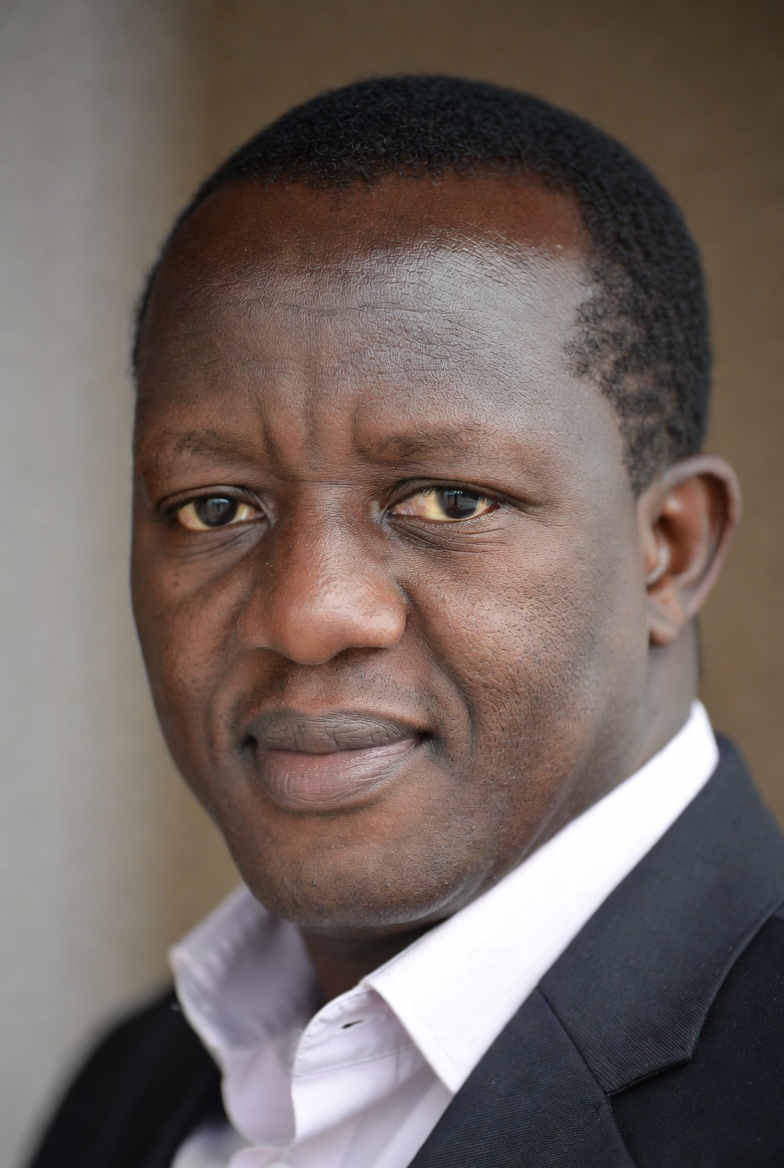
Safaricom Plc Chief Finance Officer Dilip Pal has pointed to the pace of loss reduction as the clearest signal yet. “The loss reduction is greater than in the first half, and it shows that we are geared for positive EBITDA breakeven in FY27,” he said.
Who Owns What in Safaricom Ethiopia
Repeated capital injections have diluted three minority investors, Sumitomo Corporation, British International Investment, and the International Finance Corporation, after a funding round restricted to Vodacom family entities pushed Safaricom’s stake to 54.17 percent from 51.67 percent a year earlier.
Ownership now stands at Safaricom Plc 54.17 percent, Sumitomo 23.5 percent, BII 9.5 percent, IFC 6.81 percent, and Vodacom Group 6.02 percent. The diluted investors keep contractual rights to buy back their lost stakes later, either directly from Safaricom and Vodacom or through future cash calls.
Also read:Safaricom to Supply Fibre Internet to Affordable Housing Units
What Is Still Working Against the Business
The Birr’s ongoing depreciation keeps inflating the cost of importing network equipment, a currency risk largely outside Safaricom’s control. Ethiopia’s deep cash culture also continues to slow M-Pesa’s growth relative to voice and data.
With just 5.69 million M-Pesa users against 14.7 million total customers, mobile money still lags far behind Kenya’s adoption levels. That gap is both a current drag on revenue and a long-term growth opportunity if habits shift.
Why Kenyan Investors Should Care
Ethiopia has been the single biggest source of shareholder scepticism at Safaricom over the past four years, given the scale of capital poured in against years of losses. This quarter’s narrowing losses and accelerating customer growth are the clearest sign yet that the Sh159.6 billion invested could start paying off within the next financial year.
Group CEO Peter Ndegwa has called Ethiopia a “second major growth engine outside Kenya.” If the unit hits EBITDA breakeven by March 2027 as targeted, it validates one of the boldest regional bets any Kenyan company has made, and could shape how other Kenyan firms approach expansion into East Africa’s remaining underpenetrated markets.