








Agriculture remains one of the most accessible and rewarding sectors for Kenyan entrepreneurs. You do not need a large farm or a massive budget to get started. What you need is the right idea, a clear understanding of your local market, and the discipline to follow through. These five agribusiness opportunities are generating real returns for farmers and investors across Kenya right now.
Before committing to any of them, spend time on localized market research. Talk to buyers, check what your nearest market is short of, and understand the input costs in your specific area. The ideas below work, but they work best when matched to your location, resources, and available market channels.
1. Hass Avocado Farming
Hass avocados have earned the nickname green gold in Kenya, and for good reason. Export demand from Europe, Asia, and the Middle East has grown consistently over the past several years, and Kenyan avocados are well-regarded in international markets for their quality and flavour profile.
The returns are strong, but avocado farming requires patience. Trees take three to four years to reach full production, so this is a medium to long-term investment rather than a quick cash crop. Once productive, a well-managed orchard can generate significant income per acre annually.
The Horticultural Crops Directorate supports avocado farmers with export market linkages and certification guidance. Getting your produce into certified export channels significantly increases the price you receive compared to selling locally.
2. Improved Kienyeji Poultry
Improved Kienyeji chicken, breeds like KARI Improved Kienyeji developed by the Kenya Agricultural and Livestock Research Organization, offer the best of both worlds. They grow faster than traditional indigenous birds, produce more eggs, and still carry the taste and texture that Kenyan consumers strongly prefer over commercial broilers.
Whether you focus on layers for egg production or broilers for meat, demand is steady in both urban and rural markets. Startup costs are relatively low compared to other livestock ventures, and the cash flow cycle is fast enough to reinvest and scale within the first year.
The key to profitability is managing feed costs carefully, which is where the next opportunity on this list becomes relevant.
3. Hydroponic Fodder and Feed Production
Feed costs are the single biggest expense for most livestock farmers in Kenya. Hydroponic fodder production, growing nutrient-dense animal feed in trays using minimal water and no soil, solves that problem in a way that is both scalable and affordable to set up.
A small hydroponic fodder unit can produce fresh, high-quality feed daily at a fraction of the cost of purchasing commercial feeds. Dairy farmers, poultry farmers, and rabbit keepers are all potential customers, and the demand in peri-urban areas where land for grazing is limited is particularly strong.
This business works well as a standalone enterprise selling to neighbouring farmers, or as a cost-reduction strategy integrated into your own livestock operation.
4. Greenhouse Tomato and Capsicum Farming
Open-field vegetable farming in Kenya is increasingly unreliable due to erratic rainfall patterns and pest pressure. Greenhouse farming addresses both problems directly. A well-managed greenhouse protects your crops from weather variability, significantly reduces pest and disease incidence, and delivers higher yields per square metre than open-field production.
Read also:Business Ideas in Kenya You Can Start With KSh 1,000 to 10,000
Tomatoes and capsicum are among the highest-demand vegetables in Kenya’s retail and food service markets. Supermarket chains, hotels, and urban market traders are consistent buyers who value reliable supply and consistent quality, both of which a greenhouse operation can deliver.
The Ministry of Agriculture and various county governments have run subsidised greenhouse programmes for smallholder farmers. Check whether your county has an active programme before purchasing at full market price.
5. Indigenous Vegetable Farming
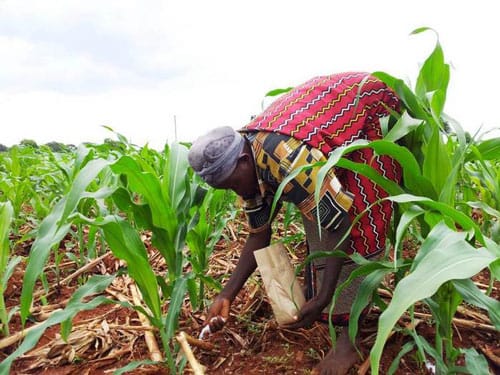
Traditional Kenyan vegetables like managu (African nightshade), saga (spider plant), and kunde (cowpeas) have experienced a significant commercial revival in recent years. Urban consumers are actively seeking them out, health-conscious buyers value their nutritional density, and restaurants and hotels serving local cuisine buy them in steady volumes.
Also read:How to Write a Business Plan in Kenya That Actually Gets You Funded
What makes indigenous vegetables particularly attractive as a business entry point is how forgiving they are. They grow quickly, tolerate a wide range of conditions, resist many common pests, and require far less input than exotic vegetables. Turn-around time from planting to first harvest is short, which means faster cash flow and quicker reinvestment cycles.
Targeting urban markets, food processors, and institutional buyers like schools and hospitals through direct supply arrangements tends to yield better prices than selling through open-air markets where competition is highest.
Getting Started the Right Way
The biggest mistake new agribusiness investors make is choosing a crop or livestock venture based on what someone else is doing rather than what their specific location and market actually support. A Hass avocado farm makes sense in the right altitude zone. A greenhouse in a water-scarce area needs a reliable irrigation source. Indigenous vegetables thrive near urban demand centres.
Take time to visit your nearest Ministry of Agriculture extension office, speak to established farmers in your area, and understand your input and output costs before investing. The opportunities are genuinely there. The ones who succeed are the ones who plan before they plant.