









Kenyans have been quietly moving money away from traditional savings accounts and into SACCOs, and it is easy to see why. These member-owned cooperatives consistently outpay commercial banks, with some SACCOs posting dividend rates as high as 21 percent this year.
According to the Sacco Societies Regulatory Authority, the sector now manages over KSh 1 trillion in total assets, more than tripling in size over the past decade. Here is a full breakdown of who leads the pack, both by size and by returns.
Top 5 Largest SACCOs by Asset Size
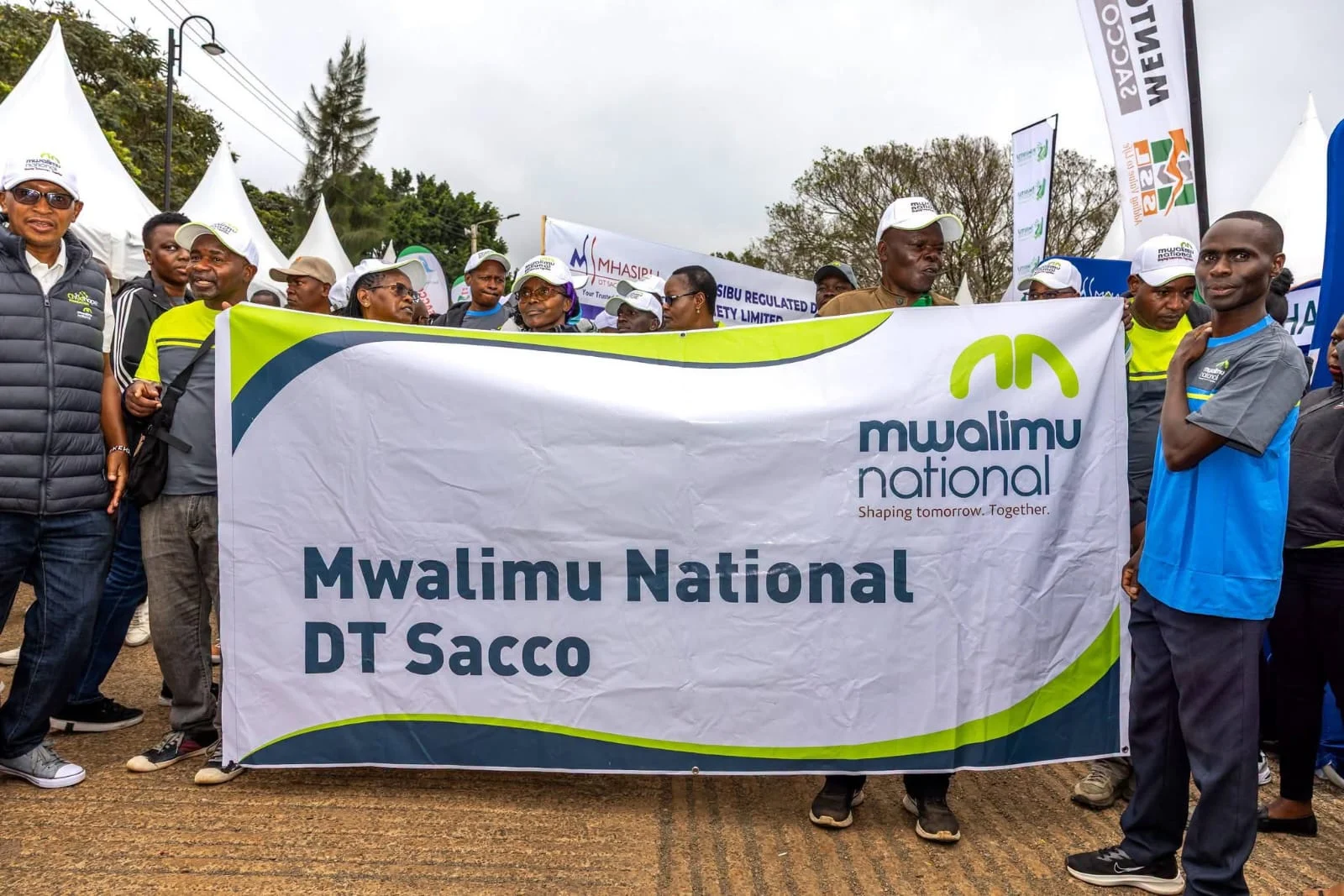
Mwalimu National SACCO holds the title of the largest SACCO in the country, with total assets reaching KSh 68.89 billion. It primarily serves the education sector but remains open to the general public, making it one of the most accessible giants in the industry.
Stima DT SACCO follows closely with assets of KSh 66.81 billion. Backed by the power utility sector, it has built a strong reputation for aggressive digital banking services and consistent growth.
Kenya National Police DT SACCO ranks third with KSh 59.83 billion in assets. It remains one of the most liquid and best-managed SACCOs in the country, a reputation that keeps drawing in both law enforcement members and civilians.
Harambee SACCO holds KSh 41.32 billion in assets, standing as one of the oldest financial cooperatives in Kenya. Its membership draws heavily from civil servants alongside the general public.
Tower SACCO rounds out the top five with KSh 28.04 billion in assets. Originally based in Nyandarua, it has expanded rapidly to break into the national top tier of SACCOs.
Comparing High-Performing SACCOs by Returns
If maximizing returns matters more to you than sheer size, smaller Tier 1 and Tier 2 SACCOs often deliver noticeably higher percentage yields than the multi-billion shilling giants.
| SACCO Name | Dividend on Share Capital | Interest on Deposits | Primary Target Market |
|---|---|---|---|
| Nyati DT SACCO | 21% | 11.3% | Security sector and general public |
| Tower SACCO | 20% | 13% | Civil servants and businesses |
| Ports SACCO | 20% | 12.5% | Maritime, logistics, and public |
| Kenya National Police | 17% | 11% | Law enforcement and civilians |
| Stima DT SACCO | 15% to 16% | 11% | Energy sector, open to all |
| Mwalimu National | 13% | 10% | Teachers and professionals |
Nyati DT SACCO currently leads the entire sector on dividend rate, edging out even the larger asset giants. This shows that bigger is not always better when it comes to actual returns on your savings.
Why the SACCO Sector Keeps Growing
SACCO assets have more than tripled over the past decade, climbing from around KSh 301.54 billion in 2014 to surpassing the trillion-shilling mark by December 2024. Total deposits mobilised followed a similar trajectory, growing from KSh 205.97 billion to KSh 749.43 billion over the same period.
Much of this growth comes down to simple math. Loan rates across SASRA-regulated SACCOs typically range from 12 to 18 percent annually, a fraction of what many mobile lending apps charge, which can reach 90 percent or higher.
Key Factors to Consider Before Joining
Always confirm that any SACCO you consider is fully licensed to take deposits by checking the official SASRA directory. This single step protects your savings from fraudulent, unregulated schemes that occasionally pop up.
Many SACCOs started with a specific professional common bond, like teachers, police officers, or Safaricom employees, but almost all have since opened membership to the general public and diaspora investors. Most top cooperatives also allow you to borrow up to three times your accumulated savings, provided you have sufficient guarantors or collateral.
How Safe Is Your Money in a SACCO
Large, established SACCOs like Mwalimu, Stima, and Harambee are generally considered reasonably safe, backed by decades of stable performance and strong asset bases. That said, SACCOs are not quite as tightly regulated as commercial banks under the Central Bank of Kenya, which explains part of why returns run higher.
A sensible approach is diversifying your savings rather than placing everything in one SACCO, and keeping some funds in more liquid options like a bank account or mobile money for emergencies.
Read also:Top Banks in Kenya by Market Share (2026)
Mwalimu National Sacco — Kenya’s Largest Teacher’s Sacco | Business Listings Kenya
Frequently Asked Questions
Which is the largest SACCO in Kenya by assets?
Mwalimu National SACCO leads the sector with total assets of KSh 68.89 billion, making it the largest SACCO in the country.
Which SACCO paid the highest dividend in 2026?
Nyati DT SACCO paid the highest dividend rate at 21 percent on share capital for the financial year ending December 2025.
How many regulated SACCOs operate in Kenya?
Kenya currently has over 350 SACCOs regulated by the Sacco Societies Regulatory Authority.
Can I join a SACCO if I am not part of its original profession?
Yes, most major SACCOs, even those originally tied to specific professions, have opened membership to the general public and diaspora investors.
How much can I borrow from a SACCO based on my savings?
Most top SACCOs allow members to borrow up to three times their accumulated savings, subject to guarantor or collateral requirements.
Conclusion
Kenya’s SACCO sector continues to prove itself as a serious alternative to traditional banking, offering dividend rates and loan terms that are hard to match elsewhere. Whether you prioritize the stability of a giant like Mwalimu National or the higher returns of a smaller performer like Nyati DT SACCO, the right choice comes down to your specific savings goals.
Just remember to verify SASRA licensing before joining any SACCO, and consider spreading your savings across more than one institution for added peace of mind.