



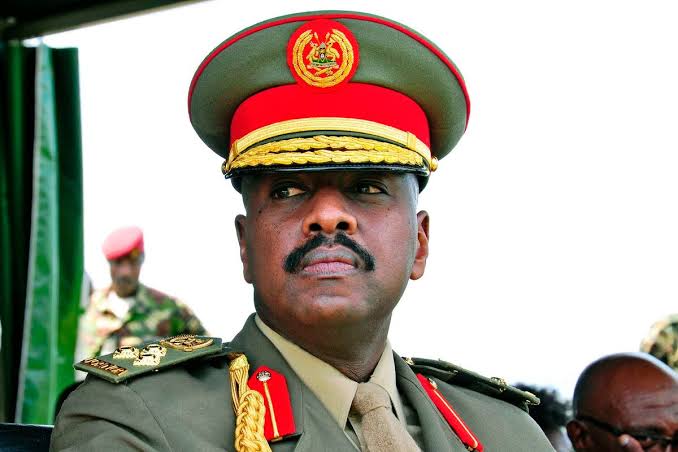
Uganda’s Chief of Defence Forces General Muhoozi Kainerugaba has ordered the immediate shutdown of Nation Media Group outlets in Uganda, including NTV Uganda, Spark TV, and the Daily Monitor newspaper. Armed military personnel executed the order during a midnight raid on Sunday, June 28, 2026, surrounding NMG offices in Kampala and cutting broadcast signals in what press freedom advocates are describing as one of the most brazen attacks on independent media in East Africa in recent memory.
By 5:00 AM East Africa Time, the broadcast signals for NTV Uganda and Spark TV had gone dark, leaving screens blank across the country. Radio stations 93.3 KFM and 90.4 Dembe FM were also silenced, and the regional publication The EastAfrican was swept up in the shutdown alongside the other NMG outlets.
What Happened During the Raid
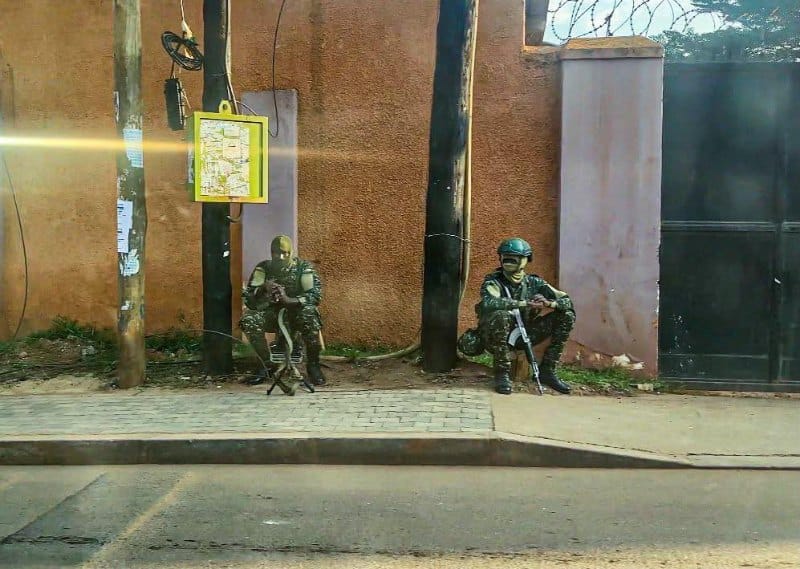
Heavily armed soldiers barricaded entry and exit points at NMG premises at Namuwongo and the Serena Hotel in Kampala, trapping staff inside the buildings. The operation was swift and coordinated, executed in the early hours when editorial and broadcast teams would have been at their most vulnerable.
The shutdown covers the full breadth of NMG’s Ugandan operations. NTV Uganda and Spark TV are two of the country’s most watched television stations. The Daily Monitor is Uganda’s leading independent newspaper. Together with the radio stations and The EastAfrican, the silencing of these outlets removes a significant portion of Uganda’s independent journalism capacity in a single overnight operation.
What Muhoozi Said
General Muhoozi, who is the son of President Yoweri Museveni, announced and defended the military action through a series of posts on his official X account. His statements were unambiguous about both his authority and his intentions.
“Mzee has approved my plan to close down NTV and Monitor. We take action now,” he posted. He followed that with a direct rejection of press freedom as a principle: “In Uganda, I do NOT believe in press freedom. Media must be guided by revolutionary cadres.” He also announced that all negative news about Uganda would henceforth require vetting by his office before publication or broadcast.
The statements represent an extraordinary public declaration by a senior military commander that independent journalism is not a right Uganda’s media will be permitted to exercise. They also confirm that the action was not a rogue operation but a deliberate command decision with presidential awareness, if not explicit approval.
What Triggered the Action
The immediate trigger appears to be a series of critical investigative reports and televised panel discussions by NMG outlets scrutinising government policies and the conduct of Uganda’s security agencies. The specific content that crossed the line into military action has not been officially detailed, but the pattern is consistent with how the Ugandan state has historically responded to journalism it finds threatening.
This is not the first time NMG has been targeted in Uganda. In May 2013, the military laid siege to the Daily Monitor and NTV Uganda offices for over a week after the newspaper published a leaked letter exposing what became known as the Muhoozi Project, an alleged plan to groom the general to succeed his father as president. That the same scenario is now repeating more than a decade later, with Muhoozi himself ordering the shutdown, adds a deeply personal dimension to what is also a structural assault on press freedom.
Condemnation and Regional Reaction
Ugandan opposition leader Bobi Wine condemned the raid in direct terms, stating that the move marks a transition into an open military dictatorship where raw force completely overrides the rule of law and public accountability. His statement reflects a broader fear among Ugandan civil society that the country’s democratic institutions are being dismantled incrementally and that the media shutdown is the most visible expression of that process yet.
Press freedom organisations including Reporters Without Borders and the International Federation of Journalists have consistently ranked Uganda poorly on press freedom metrics, and incidents like this one reinforce those assessments. Regional bodies including the East African Community will face pressure to respond, though their track record on holding member states accountable for press freedom violations is limited.
What Happens Next
Neither the Uganda Communications Commission nor the military command has issued any timeline for when NMG outlets might be permitted to resume operations. Staff remain trapped in the offices, and no formal charges or legal process has been initiated against the media group.
Also read:UK Bans Social Media for Under 16s: What It Means for Kenya
For Kenya, where Nation Media Group is headquartered and listed on the Nairobi Securities Exchange, the shutdown of its Ugandan operations represents a direct business disruption as well as a press freedom crisis. NMG’s regional footprint makes it one of East Africa’s most important independent media institutions, and the silencing of its Ugandan operations sends a chilling signal to journalists and editors across the region about the risks of critical reporting in markets where military authority supersedes constitutional protections.