








Aflasafe can reduce aflatoxin contamination in crops by up to 98 percent, making it one of the most effective biological tools available to farmers today. Yet aflatoxin continues to threaten lives across Kenya, and the reason has little to do with the product’s effectiveness in the field. The real problem lies in everything that happens before and after Aflasafe is applied.
Low adoption, poor post-harvest handling, climate pressures, and weak enforcement across the food supply chain are all working against the progress this biocontrol technology should be delivering. Understanding these gaps matters for anyone serious about reducing Kenya’s aflatoxin burden, not just farmers but regulators, processors, and consumers as well.
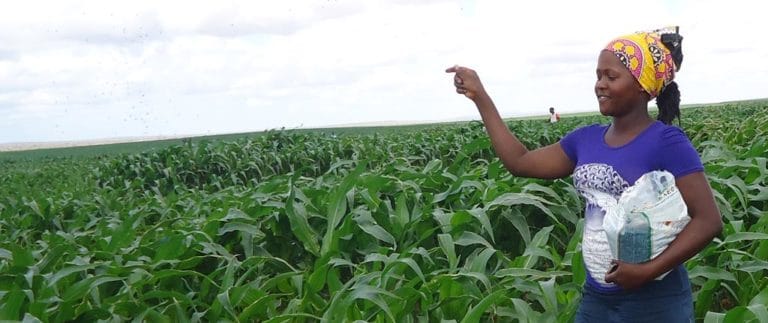
Most Farmers Do Not Know Aflasafe Exists
Awareness is the first and most basic barrier. Many smallholder farmers, particularly in the regions of Kenya and East Africa hit hardest by aflatoxin, have never heard of Aflasafe or cannot access it even if they want to use it.
Cost is part of the problem, but so is the nature of the threat itself. Aflatoxin is a silent killer. It does not change how food looks, smells, or tastes, so farmers see no immediate consequence from skipping prevention. Without that visible feedback loop, investing money and effort into a preventive product feels optional rather than urgent, even though the long-term health consequences are severe.
Field Protection Means Nothing If Storage Fails
Aflasafe does its job in the field by outcompeting the toxic fungal strains that produce aflatoxin. But its protection stops at harvest. If crops are harvested late, dried inadequately, or stored in damp and poorly ventilated conditions, fungal growth can still take hold after the fact.
This is one of the most overlooked aspects of Kenya’s aflatoxin problem. A farmer can do everything right in the field and still end up with contaminated grain because of how it was handled in the weeks after harvest. Post-harvest infrastructure, proper drying equipment, and ventilated storage facilities are just as critical as the biocontrol applied earlier in the season.
Climate Change Is Making the Problem Worse
Erratic rainfall, prolonged droughts, and rising temperatures are creating ideal conditions for Aspergillus mould, the fungus responsible for aflatoxin production, to thrive. Stressed crops growing under difficult weather conditions become significantly more vulnerable to contamination.
Even the best biocontrol methods can be overwhelmed when climate stress combines with neglected agronomic practices. As Kenya’s weather patterns continue to shift unpredictably, the pressure on farmers to manage both crop stress and aflatoxin risk simultaneously is only going to intensify.
Informal Markets Are a Major Gap in Enforcement
A large share of Kenya’s staple grain, particularly maize, moves through informal markets that lack rigorous testing infrastructure. Without consistent enforcement at these points in the supply chain, heavily contaminated grain can pass through undetected and reach consumers directly.
Also read:Aflatoxin Crisis: Kenyan Market Grains Test 50 Times Above Safe Limits
This is where the disconnect between farm-level prevention and consumer-level safety becomes most visible. Even grain grown using Aflasafe correctly can end up mixed with contaminated batches once it enters an informal trading network that does not test or segregate produce based on quality. Closing this enforcement gap requires investment in affordable testing infrastructure at the market level, not just at the farm.
Why an Integrated Approach Is the Only Real Solution
Aflasafe is a powerful tool, but it was never designed to work alone. Eliminating aflatoxin from Kenya’s food supply requires combining biological control with proper drying practices, effective pest management, and safe, ventilated storage facilities all working together.
Treating Aflasafe as a complete solution rather than one piece of a larger system is, in many ways, part of why the aflatoxin crisis persists despite the product’s proven field effectiveness. Farmers, agricultural extension services, and regulators all have a role to play in building the integrated system this problem genuinely requires.
What Needs to Change
Closing the gap between Aflasafe’s field-level effectiveness and Kenya’s real-world aflatoxin outcomes requires action on several fronts simultaneously. Expanding farmer awareness and subsidising access to biocontrol products would address the adoption gap. Investing in affordable drying and storage infrastructure would address post-harvest losses.
Strengthening testing and enforcement in informal markets would close the gap where contaminated grain currently slips through. None of these interventions alone will solve the crisis, but together they represent the integrated approach that experts agree is the only realistic path toward meaningfully reducing aflatoxin exposure across Kenya.