






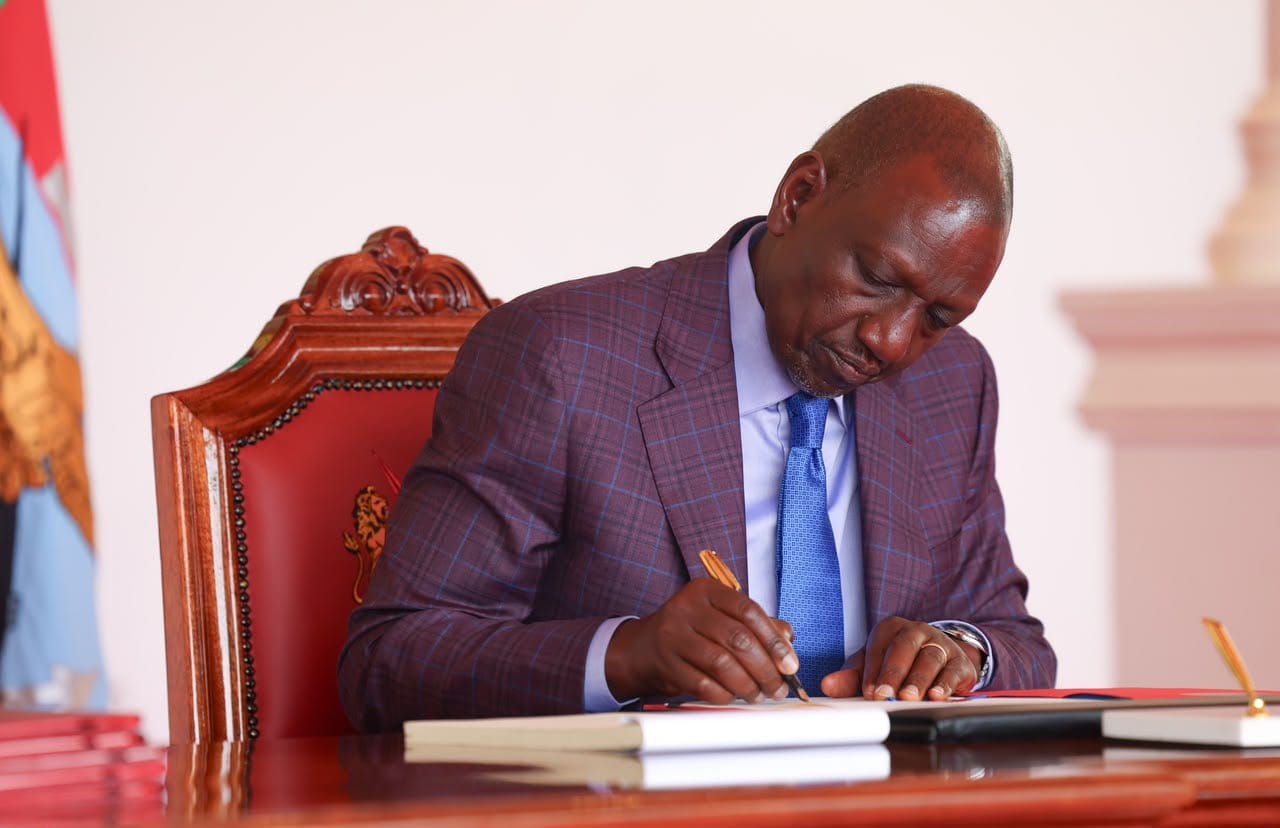
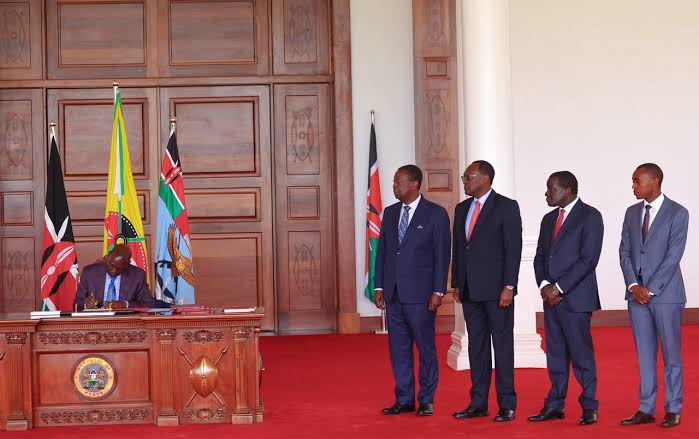
President William Ruto has assented to the County Allocation of Revenue Bill 2026 at State House, Nairobi, releasing Ksh 428 billion in equitable share funding to Kenya’s 47 county governments for the 2026/2027 financial year. The signing concludes a lengthy legislative mediation process and clears the way for smooth county operations starting July 2026.
The allocation represents a Ksh 13 billion increase from the Ksh 415 billion disbursed in the previous fiscal cycle. At 20.9 percent of the most recently audited national revenues, it exceeds the 15 percent constitutional minimum set under Kenya’s devolution framework, giving counties more resources than the law strictly requires.
Which Counties Receive the Most
Distribution follows the formula approved under Article 217 of the Constitution, using metrics including population size, poverty index, land area, and basic equal shares. Nairobi County leads all recipients with Ksh 22.1 billion, reflecting its large population and economic weight.
Nakuru follows with Ksh 14.9 billion, Turkana with Ksh 14.3 billion, Kakamega with Ksh 14.1 billion, and Kiambu with Ksh 13.5 billion. Turkana’s position among the top five reflects the county’s large land area and high poverty index weighting within the allocation formula, despite its relatively smaller urban population compared to Nairobi or Kiambu.
Equalisation Fund for Marginalised Counties
Beyond the main equitable share, an additional Ksh 4.46 billion Equalisation Fund has been set aside for 12 historically marginalised counties. The fund is designed to accelerate local development in areas that have consistently received less investment in infrastructure, healthcare, and education compared to the national average.
The Controller of Budget monitors how both the equitable share and the Equalisation Fund are deployed at the county level, providing an independent check on whether allocations translate into actual service delivery improvements for residents in marginalised areas.
Accountability Measures Built Into the Law
The new legislation includes strict financial oversight requirements that go beyond previous county funding frameworks. Treasury CS John Mbadi is required to publish gazetted monthly reports detailing all fund transfers made to county governments, giving citizens and oversight bodies a regular, publicly available record of disbursements.
Also read:Ruto Sets Aside KSh 21.5 Billion to Stabilise Fuel Prices
National government agencies managing devolved functions must submit quarterly progress reports to both the Senate and relevant county assemblies. That dual reporting requirement strengthens parliamentary oversight at both the national and county levels, addressing a long-standing gap in how devolved spending has been monitored since the devolution framework came into force.
What This Means for County Governments
For county governments that have struggled with delayed disbursements in previous financial years, the signing provides certainty that funds will flow from July 2026 as planned. Delayed transfers have historically disrupted county service delivery, forcing local governments to defer salaries, stall infrastructure projects, and cut back on healthcare and education spending while waiting for national government funds to arrive.
The Ksh 13 billion increase over last year’s allocation gives counties modest but meaningful additional resources to work with. Whether those additional funds translate into improved services for residents depends heavily on how individual county governments prioritise spending and manage the accountability requirements now embedded in the legislation.
According to the Council of Governors, healthcare, roads, and water infrastructure remain the top spending priorities across most of Kenya’s 47 counties, and the 2026/2027 allocation gives county executives the financial foundation to advance those priorities as the new financial year begins.