




Equity Group Holdings posted a 32 percent jump in profit after tax to Sh45.5 billion for the first half of 2026, up from Sh34.6 billion a year earlier, as regional subsidiaries and a sharp rise in non-funded income drove the pan-African lender’s strongest half-year performance yet. Profit before tax rose even faster, up 39 percent to Sh57.8 billion from Sh41.5 billion.
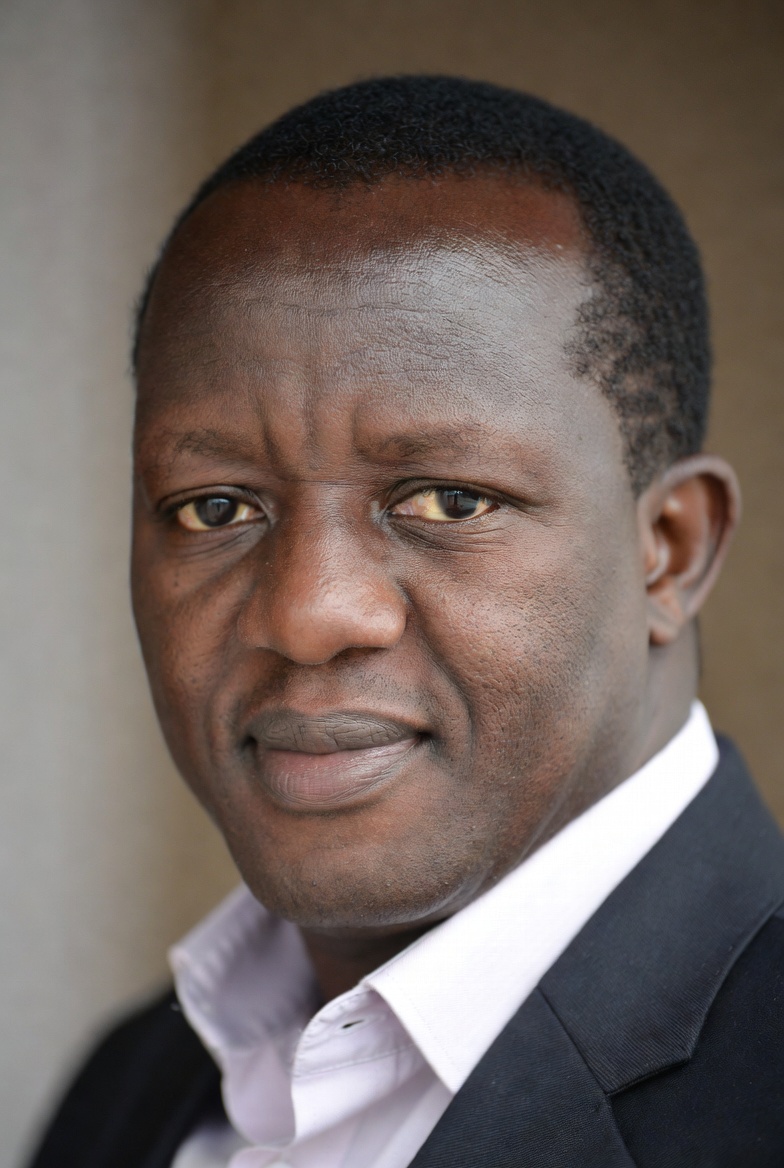
Despite the record numbers, the board once again chose not to declare an interim dividend, a decision that puts Equity at odds with rivals like KCB, Absa, and NCBA, all of which rewarded shareholders with higher interim payouts this half. Group CEO Dr James Mwangi says the trade-off is deliberate.

How the Numbers Broke Down
| Metric | H1 2026 | H1 2025 | Growth |
|---|---|---|---|
| Profit Before Tax | Sh57.8 billion | Sh41.5 billion | 39% |
| Profit After Tax | Sh45.5 billion | Sh34.6 billion | 32% |
| Total Income | Sh124.9 billion | Sh100.2 billion | 25% |
| Non-Funded Income | Sh55.6 billion | Sh40.9 billion | 36% |
| Net Interest Income | Sh69.3 billion | Sh59.3 billion | 17% |
| Total Assets | Sh2.16 trillion | Sh1.80 trillion | 20% |
| Customer Deposits | Sh1.6 trillion | Sh1.32 trillion | 21% |
Non-funded income now makes up 44.5 percent of total income, up from 40.8 percent a year ago, a shift that reflects Equity’s deliberate push away from pure lending margins toward trade finance, loan appraisal fees, technology transaction income, and insurance. Asset quality also improved sharply: the non-performing loan ratio dropped to 9.5 percent from 13.7 percent, with NPL coverage rising to 70 percent from 68 percent.
Regional Subsidiaries Are Now Carrying the Group
What stands out most in these results is how much of the growth is coming from outside Kenya. Regional subsidiaries contributed 42 percent of group banking profitability, 47 percent of revenue, 51 percent of deposits, 54 percent of loans, and 52 percent of banking assets during the half.
| Subsidiary | Profit After Tax H1 2026 | Growth |
|---|---|---|
| Equity Bank Kenya | Sh25.7 billion | 32% |
| Equity BCDC (DR Congo) | Sh11.8 billion | 30% |
| Equity Tanzania | Sh2.0 billion | 82% |
| Equity Rwanda | Sh2.9 billion | 12% |
Equity Tanzania’s 82 percent jump was the standout performer of the half, while Equity BCDC remains the group’s largest single regional contributor in absolute terms. Even Kenya, historically the group’s core market, delivered strong growth, with Equity Bank Kenya’s profit after tax climbing to Sh25.7 billion from Sh19.5 billion, helped by a cost-to-income ratio that improved to 48.6 percent from 51.7 percent.
Why the Board Skipped the Dividend Again
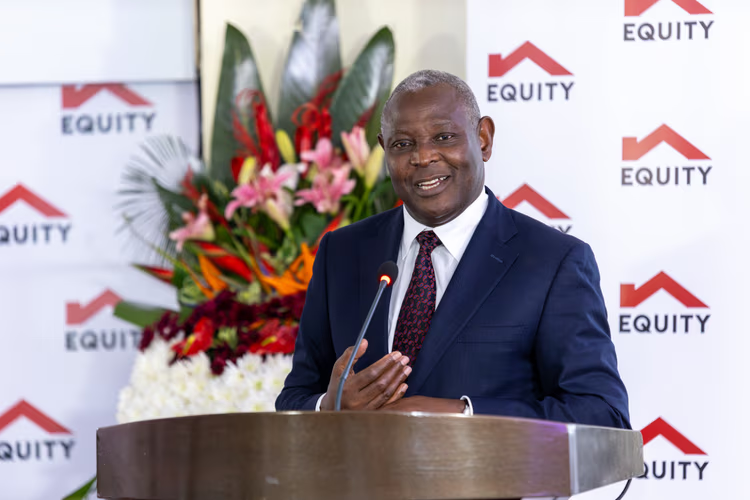
Equity has maintained a long-running pattern of not paying interim dividends, even in years of record profit, preferring to hold capital for expansion and acquisitions. Speaking at the investor briefing at Equity Centre in Nairobi, Mwangi acknowledged the tension this creates with shareholders. “The shareholders constantly remind me that I have to balance between dividend payments and acquisitions,” he said.
The bank’s loan-to-deposit ratio currently sits at 62 percent, well below its previous highs of over 75 percent, suggesting Equity has room to lend more aggressively to the private sector going forward rather than parking excess liquidity in government securities, which the bank has leaned on more heavily in recent periods because of their lower risk profile, even at the cost of thinner margins.
Insurance and the Wider Diversification Story
Equity Insurance Group’s growth adds another layer to the diversification story. Gross written premiums rose 24 percent to Sh6.4 billion, while profit before tax climbed 34 percent to Sh1.25 billion. Around 79 percent of insurance policies were distributed digitally during the half, underlining how central technology has become to Equity’s push into non-banking revenue.
Non-banking subsidiaries as a whole increased their contribution to group revenue to 4.8 percent, up from 4 percent a year earlier, a small but telling shift for a group that started life purely as a Kenyan building society in 1984.
Where This Fits in Equity’s Bigger Strategy
Mwangi framed the results against a backdrop of strong regional growth forecasts, citing projected 2026 GDP expansion of 4.5 to 5 percent in Kenya, 5.6 percent in the DRC, 5.9 percent in Tanzania, 6.4 percent in Uganda, 6.8 percent in Rwanda, and 20 percent in South Sudan. “The Group’s performance is unfolding against a backdrop of resilient regional economic growth,” he said, describing the results as the product of a multi-year transformation built around resilience, diversification, and technology enablement.
The bank is pursuing its Africa Recovery and Resilience Plan 2030, targeting operations across 15 countries and 100 million customers by the end of the decade, alongside deeper deployment of AI-enabled systems for what Equity calls “transformation finance” across the continent. Return on assets stood at 4.5 percent for the half, with return on equity at 26.5 percent, both improvements on the prior year.
Related:KCB Group H1 2026 Profit Hits Sh49.3bn, Beats Co-op Bank
—Equity Bank Kenya — Branches, Contacts & Banking Services | Business Listings Kenya
The Foundation Side of the Business
Beyond the banking numbers, Equity Group Foundation continues to run one of the larger corporate social investment programmes in East Africa, having trained more than one million entrepreneurs and facilitated over Sh436 billion in credit access for MSMEs to date. Equity has also secured accreditation as a Direct Access Entity to the Green Climate Fund, positioning the group to mobilise international climate finance directly for projects across Africa rather than routing through intermediary institutions.
This H1 2026 result builds on Equity’s record-breaking FY2025, when the group posted a 55 percent jump in full-year profit after tax to Sh75.5 billion, its strongest annual performance in the bank’s history. If the current growth trajectory holds through the second half, Equity is on track to post another record full-year result when it reports FY2026 numbers in early 2027.