






In Kenya, the businesses that reliably put cash in your pocket every day are the ones that sell things people need without thinking too much about it: food, water, transport, basic groceries, and simple services. These ventures survive inflation and slow months better than trend-chasing ideas because demand does not disappear.
Below is a practical breakdown of options that can start generating money quickly, grouped by how much capital you need to begin. All figures are realistic starting ranges drawn from common experience in Nairobi, Mombasa, Kisumu, Nakuru and other urban centres. Actual results depend heavily on location, foot traffic, your discipline, and how well you control costs.
Micro Capital: KSh 5,000 – KSh 15,000
These ideas need very little money and can put cash in your hand the same day you start.
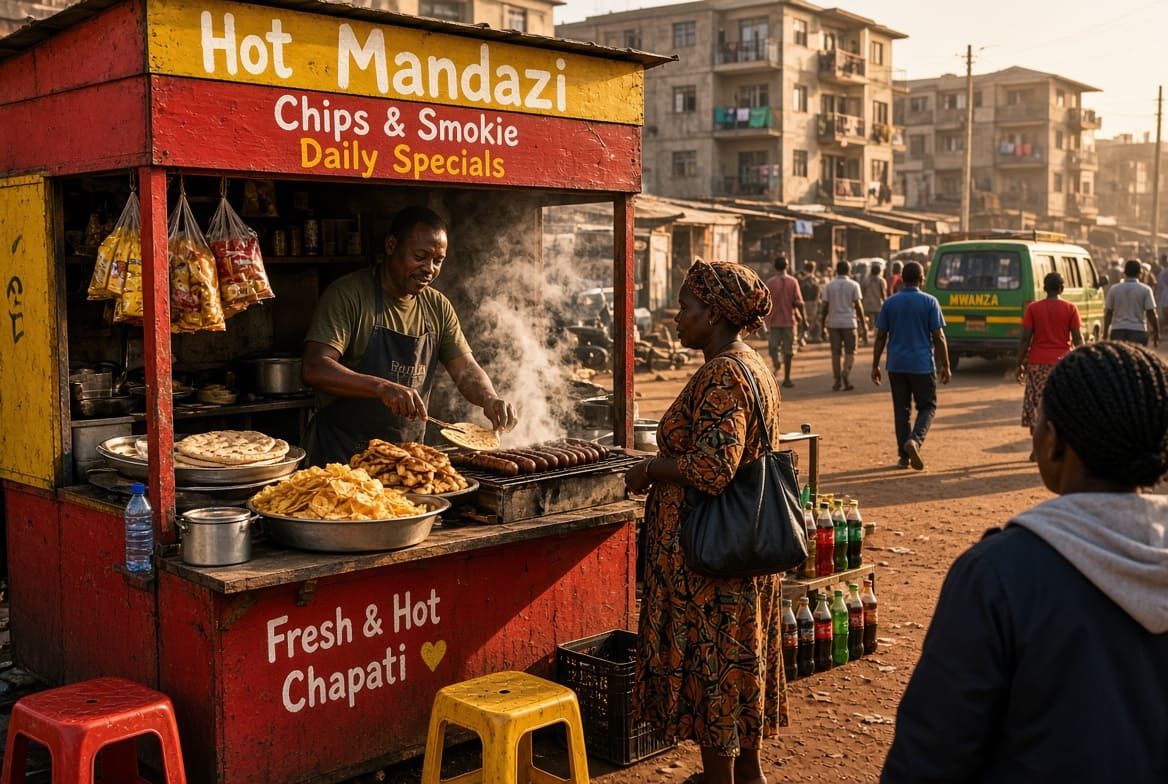
Smokies, boiled eggs and sausage cart. This remains one of the most consistent street businesses in Kenya. A simple cart or table, a gas cooker or charcoal jiko, and initial stock of eggs, smokies and kachumbari can cost between KSh 5,000 and KSh 8,000. Near a stage, matatu terminus, factory gate or busy estate junction, many operators clear KSh 500–1,500 in profit on a normal day. The key is fresh stock and clean presentation. County enforcement (kanjo) is the main headache, so budget for the right permits early.
Curated mitumba (thrift clothes). Instead of dumping a whole bale, pick fast-moving pieces: children’s clothes, ladies’ tops, school wear or basic activewear from Gikomba, Toi or your local market. Sell them through WhatsApp status, TikTok or a small stall. Starting capital of around KSh 8,000–15,000 is enough to test. Dead stock is the biggest risk, so buy only what you know moves quickly in your area.
Fresh fruit and juice stand. A blender, plastic cups, a small table and daily fruit from Marikiti, Wakulima or a local wholesale market can get you started for roughly KSh 10,000–15,000. Near offices, gyms, colleges or busy roads, a well-run stand can do KSh 1,500–4,000 in daily profit when fruit is cheap and the weather is hot. Hygiene and consistent quality matter more than fancy branding.
Low to Medium Capital: KSh 15,000 – KSh 100,000
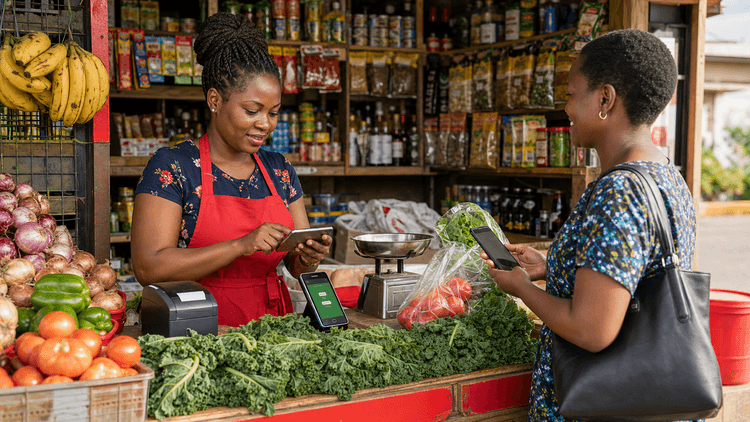
Estate grocery / mama mboga kiosk. Milk, bread, eggs, cooking oil, maize flour, vegetables and a few household basics turn over every evening. A small stall or kiosk in a residential estate can be stocked with KSh 20,000–50,000. Daily profit of KSh 1,500–3,500 is common once you know what your neighbours actually buy. The main killers are perishable waste and giving too much credit (deni) to neighbours.
Boda boda or local errand delivery. If you already own or can lease a motorcycle, daily cash from passenger transport or simple courier work is realistic. After fuel, many riders clear KSh 1,000–2,500 on a full day in busy areas. Buying a bike pushes the capital higher (often KSh 100,000+), so leasing or partnering is common for starters. Fuel price swings and maintenance are constant costs.
Water purification and refill station. In many estates, tap water is unreliable or tastes bad. A basic filtration setup and a small storefront can cost KSh 50,000–100,000. Once neighbours trust your water, the margins are good because people refill regularly. Licensing and consistent power matter. Blackouts or county issues can interrupt sales.
Higher Capital: KSh 100,000+
M-Pesa and agency banking outlet. High-traffic locations (near a stage, market or busy road) generate many transactions daily. You need solid float, often KSh 100,000–300,000 or more depending on the volume you want to handle. Commissions are usually paid monthly, but the daily liquidity and foot traffic let you add small related sales such as phone accessories or airtime. Competition is high, so location is everything.
Neighbourhood barbershop or salon. People need haircuts and grooming regardless of the economy. A decent setup with chairs, mirrors, clippers and basic fittings can start from about KSh 100,000–400,000 depending on how finished the space is. A well-located shop can do KSh 3,000–7,000 or more on good days once regular customers settle in. Staff reliability and rent are the main ongoing pressures.
Comparison at a Glance
| Business Idea | Realistic Starting Capital | Estimated Daily Profit Range | Main Risk |
|---|---|---|---|
| Smokies & eggs cart | KSh 5,000–8,000 | KSh 500–1,500 | Permits, spoilage |
| Curated mitumba | KSh 8,000–15,000 | KSh 800–2,500 | Slow-moving stock |
| Fruit & juice stand | KSh 10,000–15,000 | KSh 1,500–4,000 | Weather, spoilage |
| Estate grocery kiosk | KSh 20,000–50,000 | KSh 1,500–3,500 | Waste, too much deni |
| Boda / delivery | Low if bike owned; higher to buy | KSh 1,000–2,500 | Fuel, maintenance |
| Water refill station | KSh 50,000–100,000 | KSh 2,000–5,000 | Licensing, power |
| Barbershop / salon | KSh 100,000+ | KSh 3,000–7,000 | Rent, staff |
Ranges are illustrative and vary widely by location and execution. These are not guarantees.
What Actually Makes These Businesses Work
Location beats almost everything else for daily cash businesses. A stall next to a busy stage or near a college will usually outperform a cheaper spot with little foot traffic. Pay attention to where people already gather rather than hoping they will come to you.
Keep working capital moving. Giving too much credit to neighbours or friends is one of the fastest ways to run out of stock. Most successful operators in estates are strict about cash or very short, trusted credit only.
Get the proper county permits early. The Unified Business Permit and any specific licences for food, water or transport reduce the risk of sudden disruption. Budget for them from the start instead of treating them as an afterthought.
Finally, track what actually sells. The ideas above work because demand is steady, but only if you adjust quickly when something is not moving. Restock what people buy, not what you hope they will buy.
Read also:Business Ideas in Kenya You Can Start With KSh 1,000 to 10,000
Frequently Asked Questions
What is the best daily income business to start with little money in Kenya?
A smokies and eggs cart or a small curated mitumba selection are among the lowest-capital options that can generate cash the same day if placed in a busy location.
How much can I make in a day from a mama mboga kiosk?
Many operators in residential estates clear between KSh 1,500 and KSh 3,500 in profit on normal days once the kiosk is established, but results depend on location, stock control and how much credit you give.
Do I need a licence for a street food cart?
Yes. County governments require business permits, and food vendors often need additional health-related clearances. Operating without them risks fines or confiscation of goods.
Is water refilling still profitable in 2026?
In estates where tap water is unreliable or of poor quality, a well-run refill station continues to do steady business. Success depends on consistent quality, licensing and reliable power.
These businesses are not glamorous, but they are the ones most people in Kenya rely on for daily cash. The ones that last are usually run by people who choose a good location, control their stock tightly, avoid excessive credit, and treat permits as part of the real cost of doing business.
Income ranges are illustrative estimates based on common experience across Kenyan urban centres and are not guarantees. Actual results vary by location, execution, competition and costs. This guide is for information only and does not replace local market research or professional advice.