




Importing or exporting products in Kenya requires registering a business, engaging a licensed Customs Clearing Agent, and using the Kenya Revenue Authority’s Integrated Customs Management System, known as iCMS. Importers need an Import Declaration Form and a Certificate of Conformity, while exporters need a Certificate of Origin and, for agricultural goods, Phytosanitary Certificates.
Whether you are bringing goods into Kenya or shipping products out, understanding the documentation and compliance steps upfront saves significant time and avoids costly delays at the port. Here is the complete breakdown for both processes.
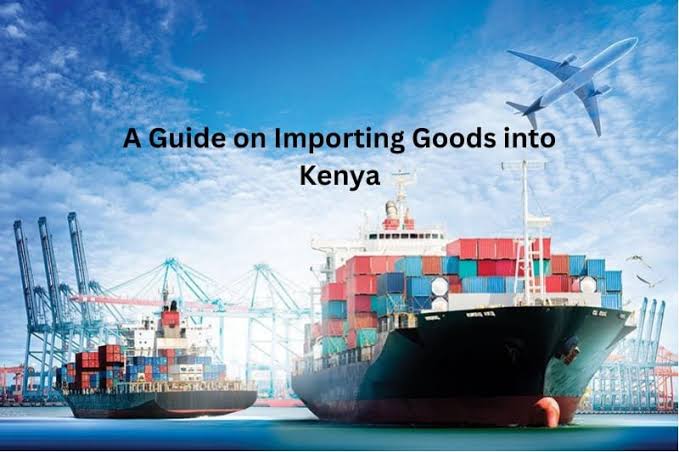
How to Import Products Into Kenya
Importing goods requires oversight from both KRA and the Kenya Bureau of Standards. Regulated products must first go through Pre-shipment Verification of Conformity, where goods are inspected in the country of origin and issued a Certificate of Conformity by appointed KEBS agents before they are shipped to Kenya.
You will need standard shipping documentation, including a valid Commercial Invoice, Packing List, and either a Bill of Lading for sea cargo or an Airway Bill for air cargo, along with a Certificate of Origin confirming where the goods were manufactured.
Before your goods ship, you must apply for an Import Declaration Form through the KRA iCMS portal and pay a processing fee, typically 3.5 percent of the customs value. This form must be secured before your shipment arrives, not after, to avoid clearance delays.
Once your goods reach Kenya, a licensed clearing agent declares them in iCMS and calculates the applicable duties. These typically include import duty, 16 percent VAT, excise duty where applicable, and the Railway Development Levy, before your goods can be released from the port.
How to Export Products From Kenya
Exporting follows a similar structure but shifts focus toward meeting your destination country’s import regulations alongside Kenya’s own quality standards. Start by ensuring your business holds a valid KRA PIN and is registered with the relevant trade authorities, including the Kenya Export Promotion and Branding Agency.
You will need a Certificate of Origin proving where your goods were produced, a Commercial Invoice, and an Export Entry document filed directly in iCMS. These three documents form the core paperwork for any standard export shipment.
If you are exporting agricultural or food products, you will additionally need a Phytosanitary Certificate from the Kenya Plant Health Inspectorate Service, or a Health Certificate depending on the product category. Wildlife products require clearance from the Kenya Wildlife Service, while manufactured goods may need KEBS clearance to confirm they meet quality standards for the destination market.
Your freight forwarder or clearing agent submits the export declaration and coordinates shipping logistics through the Port of Mombasa, Jomo Kenyatta International Airport, or one of Kenya’s One Stop Border Posts for land-based regional trade.
Why Working With a Licensed Clearing Agent Matters
Both import and export processes require coordination through a licensed clearing agent, and this is not a step worth skipping to save costs. Clearing agents understand the specific documentation requirements for different product categories, calculate duties accurately, and navigate iCMS efficiently, reducing the risk of costly delays or penalties from incomplete or incorrect filings.
Also read:How to Register a Business in Kenya Online: Step by Step Guide 2026
Frequently Asked Questions
How long does customs clearance take in Kenya?
Standard clearance through iCMS typically takes a few days once all documentation is correctly filed, though this can extend significantly if forms are incomplete or if goods require additional inspection by KEBS, KEPHIS, or other regulatory bodies.
What is the Import Declaration Form fee based on?
The IDF processing fee is calculated at 3.5 percent of the customs value of your shipment, and must be paid before your goods arrive in Kenya to avoid delays at the port.
Do I need a Certificate of Conformity for every imported product?
Only regulated products fall under Pre-shipment Verification of Conformity requirements. Check with KEBS directly to confirm whether your specific product category requires a Certificate of Conformity before shipping.
Can I clear customs without a licensed clearing agent?
While technically possible for some straightforward shipments, working with a licensed clearing agent is strongly recommended given the complexity of duty calculations and documentation requirements within the iCMS system.
What permits do I need to export agricultural products from Kenya?
Agricultural and food exports require a Phytosanitary Certificate from KEPHIS, in addition to the standard Certificate of Origin, Commercial Invoice, and Export Entry documentation required for all exports.